Bolivian Government Faces Indefinite Strike as Fuel Subsidy Cuts Spark Economic Crisis
President Rodrigo Paz's administration contends with a severe currency shortage and 15 per cent inflation while unions call for agricultural and labour policy overhauls
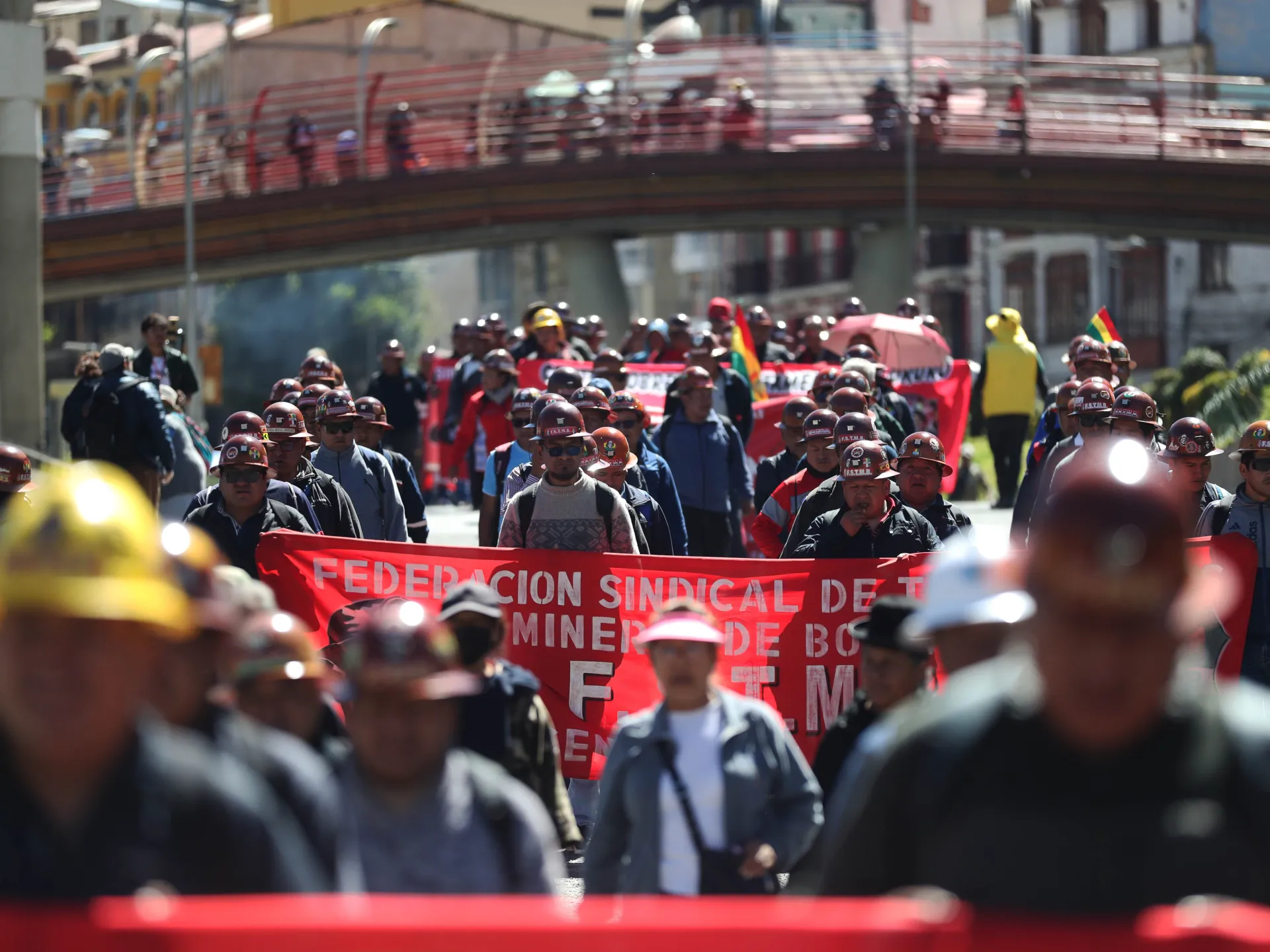
Clashes between law enforcement and workers have marked the third day of escalating unrest in La Paz and El Alto, driven by the government's decision to terminate decades-old fuel subsidies. The Bolivian Workers' Centre (COB) union, joined by transport and education sectors, staged demonstrations following the policy shift which has triggered significant price hikes and allegations of vehicle damage due to the use of lower-quality fuel.
The strikes have brought public transport to a halt across major urban centres including La Paz, El Alto, Cochabamba, Oruro, and Sucre, resulting in at least 70 roadway blockages. Transport workers assert that their vehicles sustained engine damage after being forced to use inferior fuel following the subsidy removal and are now seeking government compensation for the losses.
President Rodrigo Paz's centre-right administration faces mounting pressure to address agricultural, educational, and labour reforms, alongside a demand for a 20 per cent minimum wage increase and pension adjustments. The administration contends with a severe currency shortage and an inflation rate of 15 per cent, conditions that have exacerbated public anger over the cost of living.
Fuel prices have surged dramatically since the subsidy was cut, with diesel jumping from 3.72 bolivianos to 9.80 bolivianos per litre and premium petrol rising from 3.74 to 6.96 bolivianos per litre. In response to these economic pressures, the COB has declared an indefinite general strike until the government accedes to the people's demands.
A teachers' union has also joined the fray, calling for a state-funded single free public education system, while transit workers have added shorter queues at filling stations and road repairs to their list of requirements. President Paz pushed back against the salary demands last week, stating that job creation must precede any increase in wages.
The political instability comes as Bolivia seeks to stabilise an economy that faced a budgetary crisis and low foreign currency reserves. With the COB maintaining its stance for an indefinite strike, the government's ability to implement necessary economic reforms remains under scrutiny amidst the ongoing social turmoil.