German Finance Minister Links €70bn Revenue Loss to US War in Iran
Lars Klingbeil attributes a significant downgrade in projected tax revenues for the 2026–2030 period to the war launched by the United States and Israel, describing the action as an irresponsible move that has severely impacted the national economy.
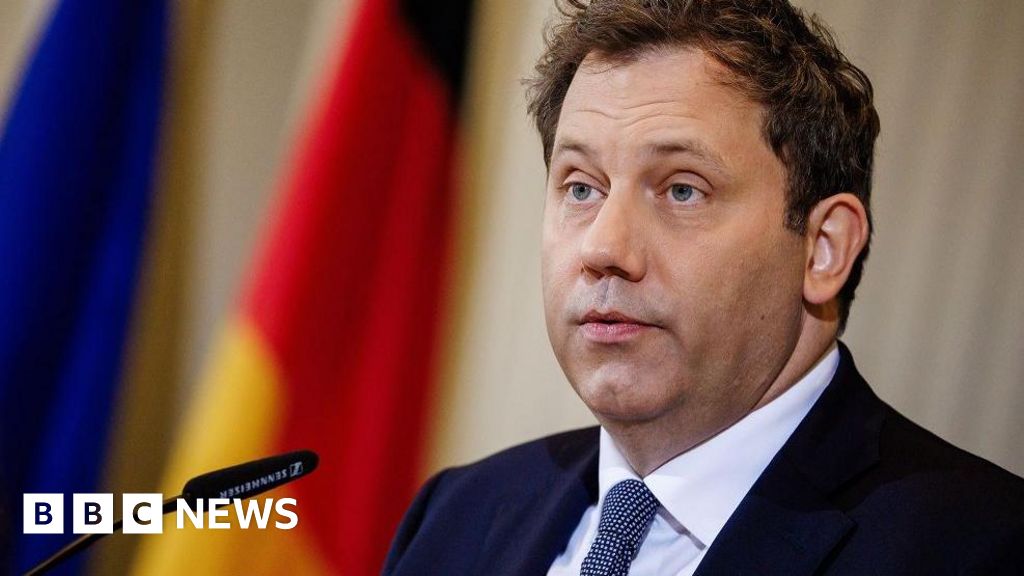
German Finance Minister Lars Klingbeil has formally attributed a substantial decline in the nation's economic momentum to the war in Iran, a conflict initiated by the United States and Israel. In a statement addressing the fiscal implications, Klingbeil warned that the conflict has precipitated a global energy shock, forcing German officials to slash projected tax revenues for the 2026–2030 period by approximately €70bn ($82bn).
The Finance Minister characterised the ongoing hostilities as an irresponsible war that is actively undermining the country's economic stability. This assessment comes as Germany's coalition government continues to struggle against years of stagnation, where high energy costs and weak export demand have already placed significant pressure on the economy. The closure of the Strait of Hormuz, which handles roughly 20 per cent of the world's oil and liquefied natural gas, has further exacerbated the situation by driving global fuel prices soaring.
These economic warnings emerge against a backdrop of heightened diplomatic tensions between Berlin and Washington. Relations have been strained since President Donald Trump took office a year ago, with Chancellor Friedrich Merz frequently citing a deep divide between the two nations. Merz's recent criticism of US strategy, including comments that the White House had been humiliated by Iranian negotiators, prompted a sharp response from the US President.
In retaliation for Merz's remarks, President Trump threatened to withdraw thousands of US troops from German soil. This diplomatic row has been compounded by a formal announcement from the US Defence Department, which outlined a plan to withdraw 5,000 troops from Germany. Defence Secretary Pete Hegseth attributed this reduction to ongoing strategic disagreements, a move described by German defence officials as foreseeable given the current state of trans-Atlantic relations.
While warring parties are observing a ceasefire intended to lead to a negotiated settlement, diplomatic progress remains stalled. The United States has imposed a blockade on Iranian ports and is attempting to clear stranded ships in the Gulf, measures that have contributed to the uncertainty fueling the global energy crisis. Despite President Trump's suggestion that the war would end quickly, negotiations have not yet yielded a resolution to the conflict.
The German government's fiscal downgrade underscores the broader impact of the conflict on European security and economic planning. As the nation grapples with the immediate costs of the energy shock and the long-term implications of reduced US troop presence, the friction between Washington and Berlin continues to define the geopolitical landscape in Europe.