European Union monitors suspected hantavirus cases on Dutch cruise ship
The European Commission has confirmed it is closely tracking a cluster of suspected illnesses linked to hantavirus on board the MV Hondius, a Dutch-flagged vessel.
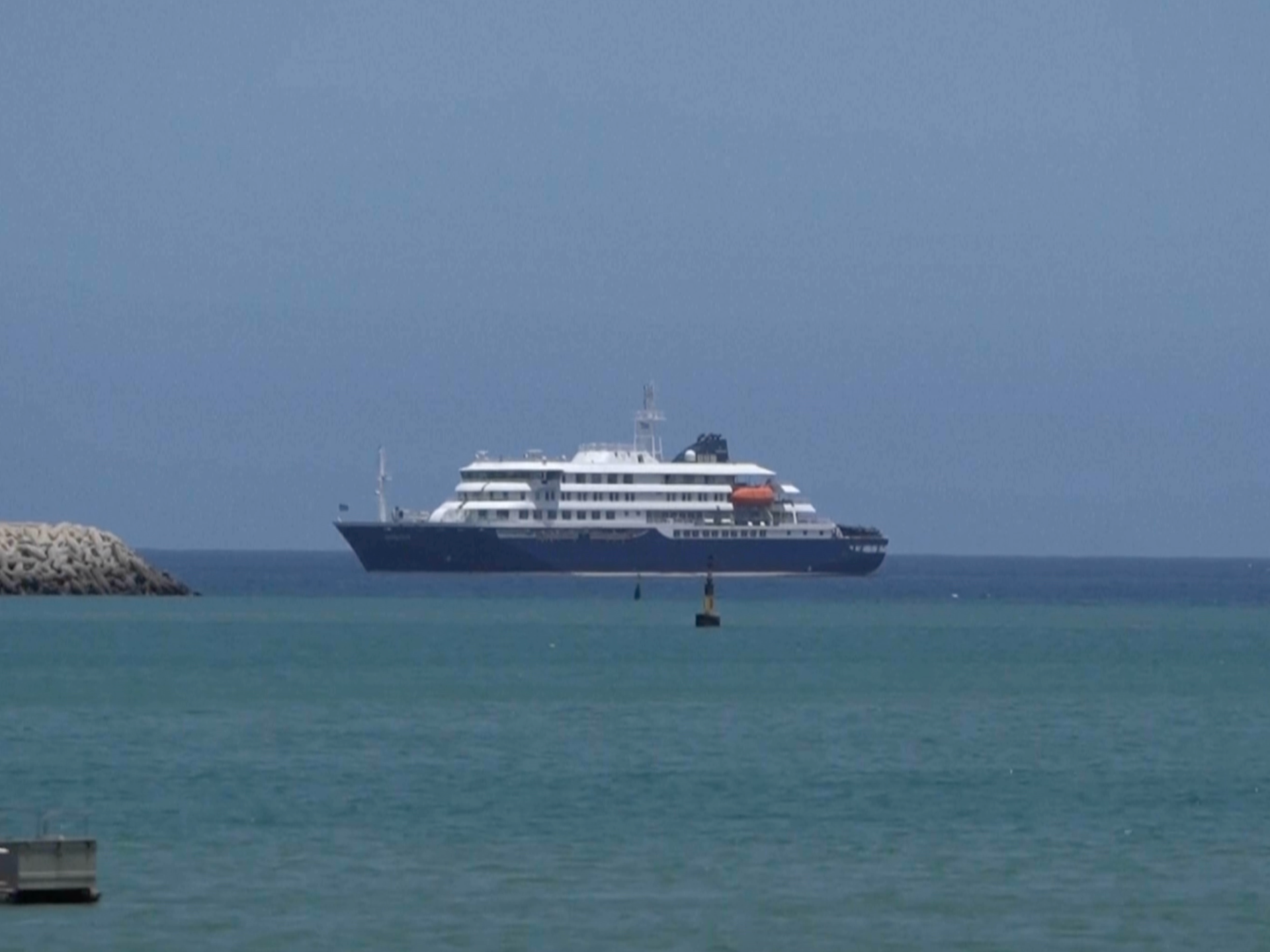
The European Union is actively monitoring a suspected outbreak of hantavirus affecting passengers and crew on the Dutch cruise ship MV Hondius. This development has drawn the attention of Brussels as health officials assess the implications of the potential pathogen within the confined spaces of a maritime vessel.
The European Commission has issued a statement confirming that it is closely watching the situation, though laboratory confirmation of the specific pathogen has not yet been publicly verified. Officials describe the current status as suspected cases, indicating that while the clinical presentation aligns with hantavirus symptoms, definitive diagnostic results remain pending.
Hantavirus is a viral infection typically transmitted to humans through contact with infected rodents or their droppings, urine, or saliva. The nature of cruise ships as enclosed environments presents a distinct risk, as rodent infestations can proliferate undetected, creating conditions where an outbreak among passengers and crew could occur rapidly.
The vessel in question, the MV Hondius, flies the flag of the Netherlands. This designation implies that the Dutch authorities hold jurisdictional responsibility for the ship and its crew, working in tandem with the European Union's broader monitoring efforts to manage the potential public health incident.
While the European Union oversees the regional response, the specific scope of the outbreak, including the number of individuals affected or the severity of symptoms, has not been detailed in available reports. The investigation relies on ongoing assessments by onboard medical teams and national health authorities to determine the full extent of the situation.
Until further data is released regarding the timeline of symptom onset or the results of laboratory testing, the focus remains on the EU's commitment to tracking the incident. The situation underscores the complexities of managing health risks in international maritime travel where multiple jurisdictions and health protocols intersect.