US Treasury claims new sanctions and blockade will collapse Iranian regime
Treasury Secretary Scott Bessent describes the combined measures as the greatest coordinated economic isolation in history, warning that trading partners face penalties if they do not align with Washington.

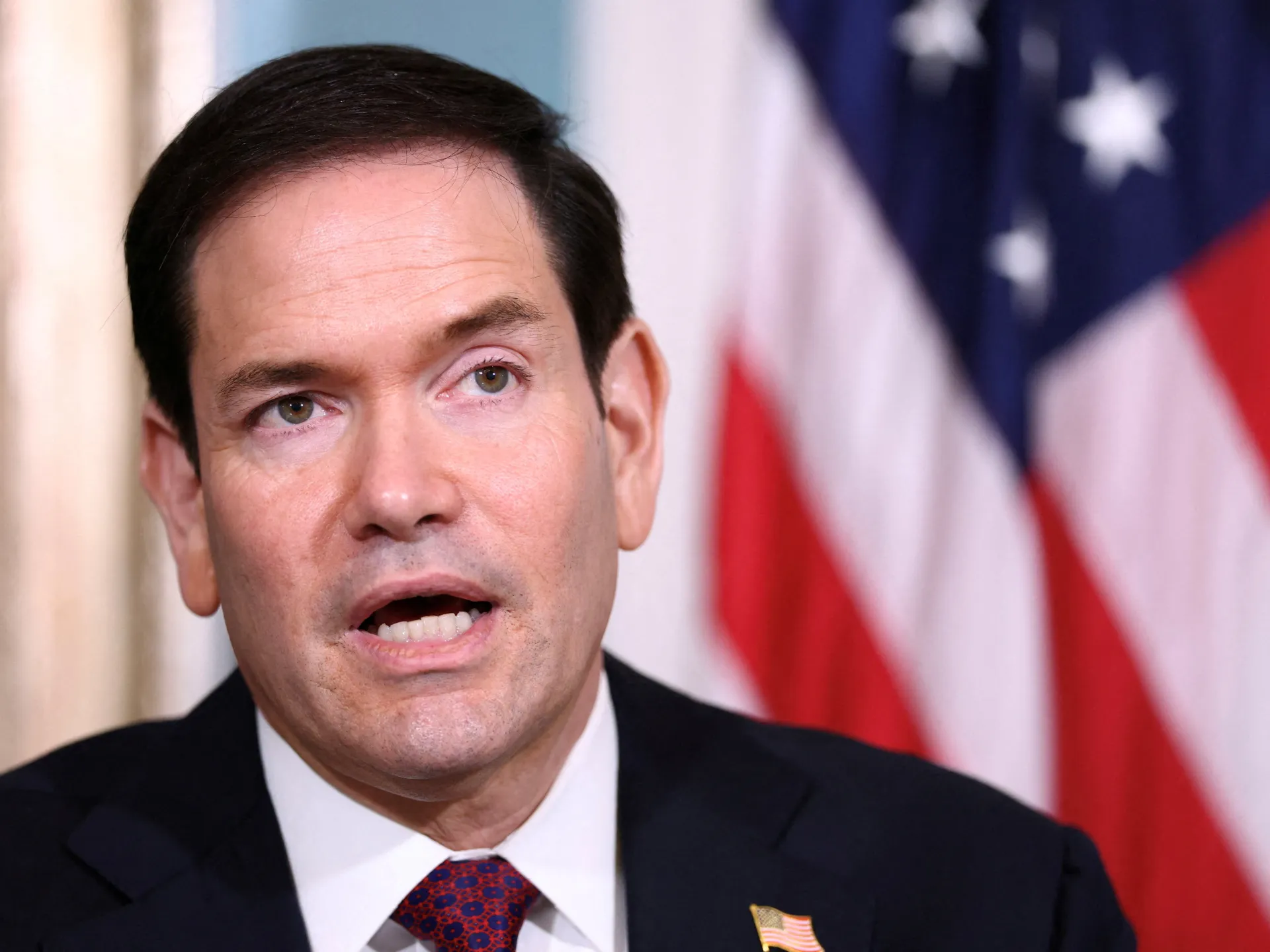
US Treasury Secretary Scott Bessent has declared that a new package of economic measures is designed to collapse the Iranian government, framing the strategy as a decisive institutional response to a nearly six-month war. Speaking to CNBC on Thursday, Bessent described the approach as a "one-two punch" combining an existing blockade with what he termed the "toughest sanctions in history".
The Secretary warned that the United States would enforce these measures with its "full might and force" against any nation that continues to conduct business with Tehran. He specified that penalties could apply to countries engaged in money transfers, oil purchases, or seaborne transport with Iran, urging the international community to choose between alignment with Washington or facing economic consequences.
Bessent characterised the initiative as the "greatest coordinated economic isolation in the history of the world". His comments followed President Donald Trump’s announcement the previous day of "the most crushing economic operation ever taken against any country". The administration is seeking to leverage global energy dependencies to pressure Tehran, noting that the closure of the Strait of Hormuz has driven up global oil prices since the conflict began on 28 February.
The strategic focus on the Strait of Hormuz is intended to appeal to global partners, particularly China. Bessent noted that China derives 50 per cent of its energy from the Gulf, suggesting that reopening the waterway would serve their economic interests. However, when asked directly if China would be targeted by the new sanctions, Bessent declined to confirm, stating that some conversations are best conducted "in private".
The diplomatic pressure comes amid rising tensions between the US and its allies, many of whom have declined to participate directly in the war effort. Trump has previously criticised these nations for not contributing sufficiently, while Bessent reiterated that defeating Iran would benefit global energy markets. Reopening the strait remains a key objective in ongoing ceasefire negotiations.
On the same day, the Trump administration expanded its sanctions regime by designating 10 individuals associated with Hezbollah, the Iran-backed Lebanese group. Among those targeted was a Turkish businessman accused of funneling funds to the organisation. Despite these aggressive measures, critics remain sceptical about whether sanctions alone can achieve US priorities such as regime change in Iran.