Biya’s return ends 73-day absence but leaves governance questions unanswered
The 93-year-old president’s arrival in Yaoundé concludes a prolonged stay in Geneva, yet opposition figures argue the absence exposed an institutional vacuum rather than a temporary pause in state affairs.
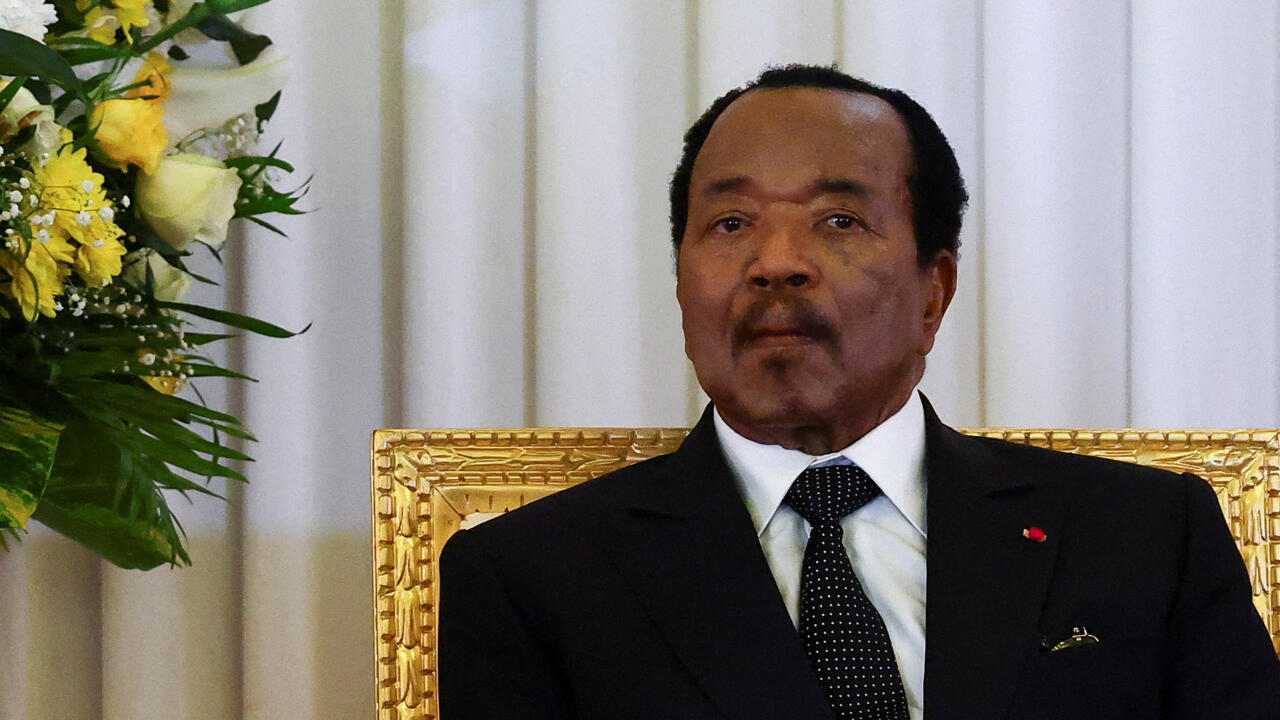
Cameroon’s President Paul Biya has returned to Yaoundé after a 73-day absence, landing at approximately 1600 GMT on Thursday. The 93-year-old leader, who has held office since 1982, had been staying in Geneva with family members and close aides since 7 June. While his office characterised the trip as a “short private stay,” the duration of the absence fuelled significant speculation regarding his health and the operational status of the government.
The return was marked by a display of political loyalty, with dozens of ruling party supporters gathering at the airport to welcome the president. Biya was seen waving from a car alongside his first lady, Chantal Biya, as the vehicle departed for the presidential palace. The scene offered a stark contrast to the growing unease within the country, where the lack of a clear vice-presidential figure has left questions about succession and continuity unresolved.
Criticism from the opposition focused less on the president’s personal health and more on the structural implications of his prolonged absence. Prosper Nkou Mvondo, leader of the Univers opposition party, described the period as an “institutional vacuum,” arguing that the country had been left on “autopilot.” Mvondo suggested that Biya’s return did little to alter the functional reality of the state, stating that the president’s presence or absence had made “no difference” to the country’s functioning.
The ruling party sought to counter these narratives by emphasising continuity. James Fame Ndongo, a senior ruling party figure and higher education minister, dismissed claims of a power vacuum, insisting that Biya had continued to oversee state affairs from abroad. This official stance was echoed by some citizens at the airport, such as Giles Owono, who noted that while a prolonged absence naturally raises questions in a democracy, it had not fundamentally changed the country’s operations.
However, the absence has exacerbated existing frustrations regarding Cameroon’s governance structure. The country faces armed insurgencies in the north and west, alongside economic stagnation that has disillusioned a population where more than 70 per cent of citizens are under the age of 35. Biya’s re-election to an eighth term in October 2025, which followed a 2008 constitutional amendment abolishing term limits, had already triggered violently suppressed protests with a death toll acknowledged by authorities as “several dozen.”
With the appointment of a new government and vice-president still pending, the political landscape remains fluid. In the event of a power vacuum, Senate President Aboubakary Abdoulaye is next in line to lead the country until a presidential election can be organised. Biya’s return, therefore, resolves the immediate uncertainty of his location but leaves the broader debate over Cameroon’s future leadership and institutional resilience ongoing.