US Treasury targets Cuban mining and construction sectors in latest sanctions drive
New measures name nine state-owned entities, including the Ministry of Construction and GEOMINSAL, as part of the administration’s “maximum pressure” strategy.
The United States has introduced a new package of economic sanctions targeting nine state-owned entities in Cuba’s mining, metal, and construction sectors. The measures, published on the US Treasury Department’s website on Thursday, include the Ministry of Construction and the mining group GEOMINSAL, which is involved in the extraction and trade of the island’s mineral deposits. Cuba holds significant reserves of cobalt and nickel, making these industrial sectors a focal point for the new restrictions.
In addition to the corporate entities, three leaders of the Cuban Institute of Friendship with the Peoples (ICAP) were individually sanctioned. ICAP is a state organisation designed to foster international relations. The US Treasury Department cited a May executive order authorising measures against those “responsible for repression” in Cuba as the legal basis for the latest actions.
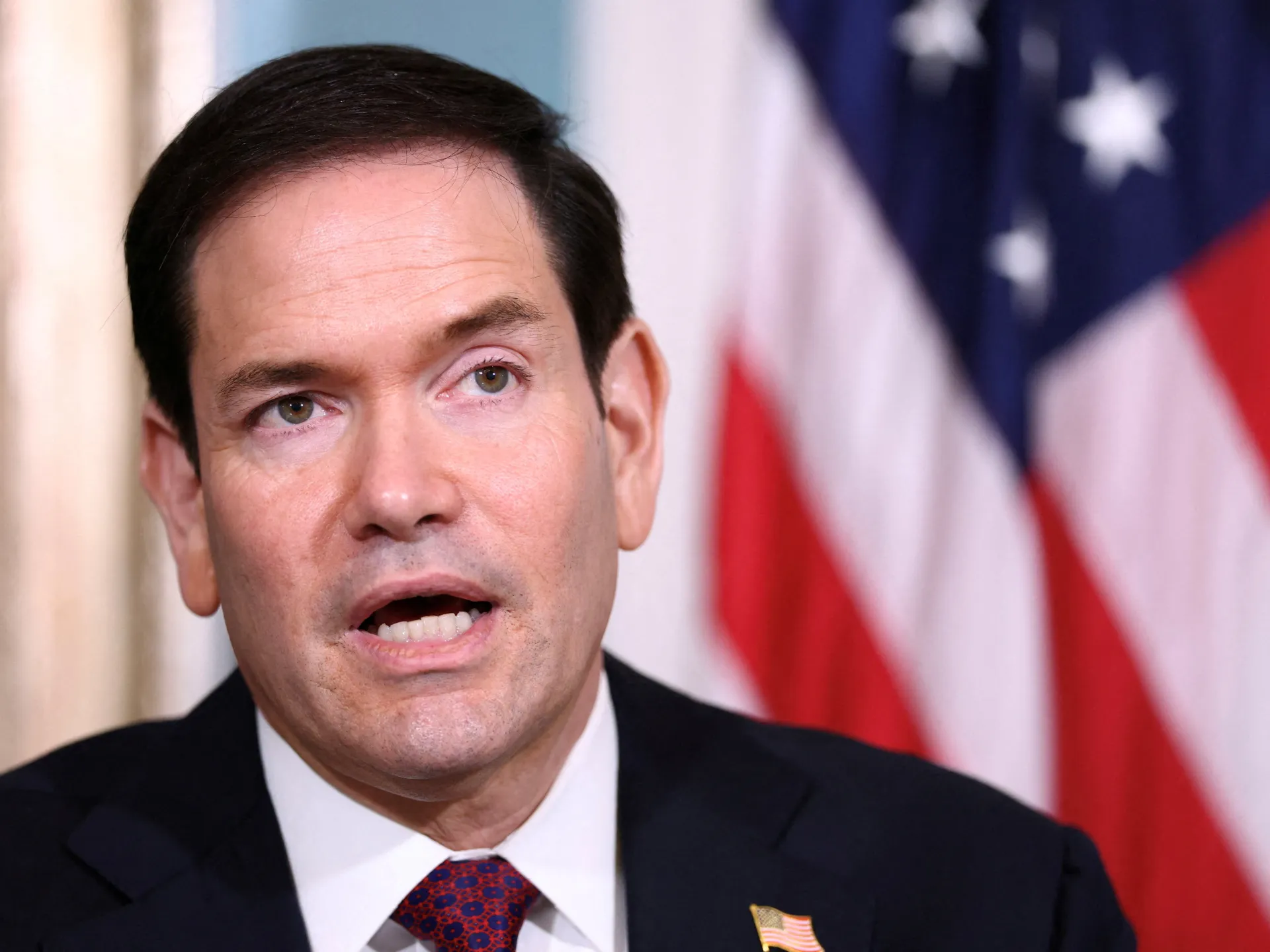
US Secretary of State Marco Rubio characterised the targeted individuals and groups as national security threats in an accompanying statement. Rubio accused the mining and construction companies of helping to “sustain the regime’s repressive apparatus.” He further alleged that ICAP organises a “subversive network” of “international sympathisers” to support the Cuban government, claiming their activities help “export Marxism, racial resentment, and Communist violence across the world.”
The sanctions are part of the Trump administration’s “maximum pressure” campaign, which aims to destabilise the Cuban economy. This strategy follows a de facto fuel blockade that began in January, after the US cut off Cuba’s supply of oil from Venezuela and threatened tariffs on other fuel exporters. Since then, only one Russian oil tanker has docked at the island.
Previous restrictions have contributed to energy blackouts and shortages of crucial goods, including medicine. In March, UN experts warned that the fuel blockade amounts to an illegal form of “energy starvation.” In April, UN Human Rights Commissioner Volker Turk linked accelerating infant mortality rates and declining survival among children with cancer to the tightening restrictions, stating that the measures are “directly harming Cubans, especially the most vulnerable.”
While the US has long sought to isolate Cuba over political differences, the current administration has intensified its efforts. President Donald Trump has previously indicated that “Cuba is next” for regime change following the US-Israeli war against Iran, and has floated ideas of a “friendly takeover” of the island. The administration continues to argue that Cuba poses a national security threat to the US, necessitating the ongoing economic pressure.