US Senate backs 100 percent tariffs on Russian energy as Moscow’s economic strain deepens
Despite a revenue windfall from Middle East conflict, Russia faces mounting fiscal pressure and new US legislative measures targeting its energy exports.
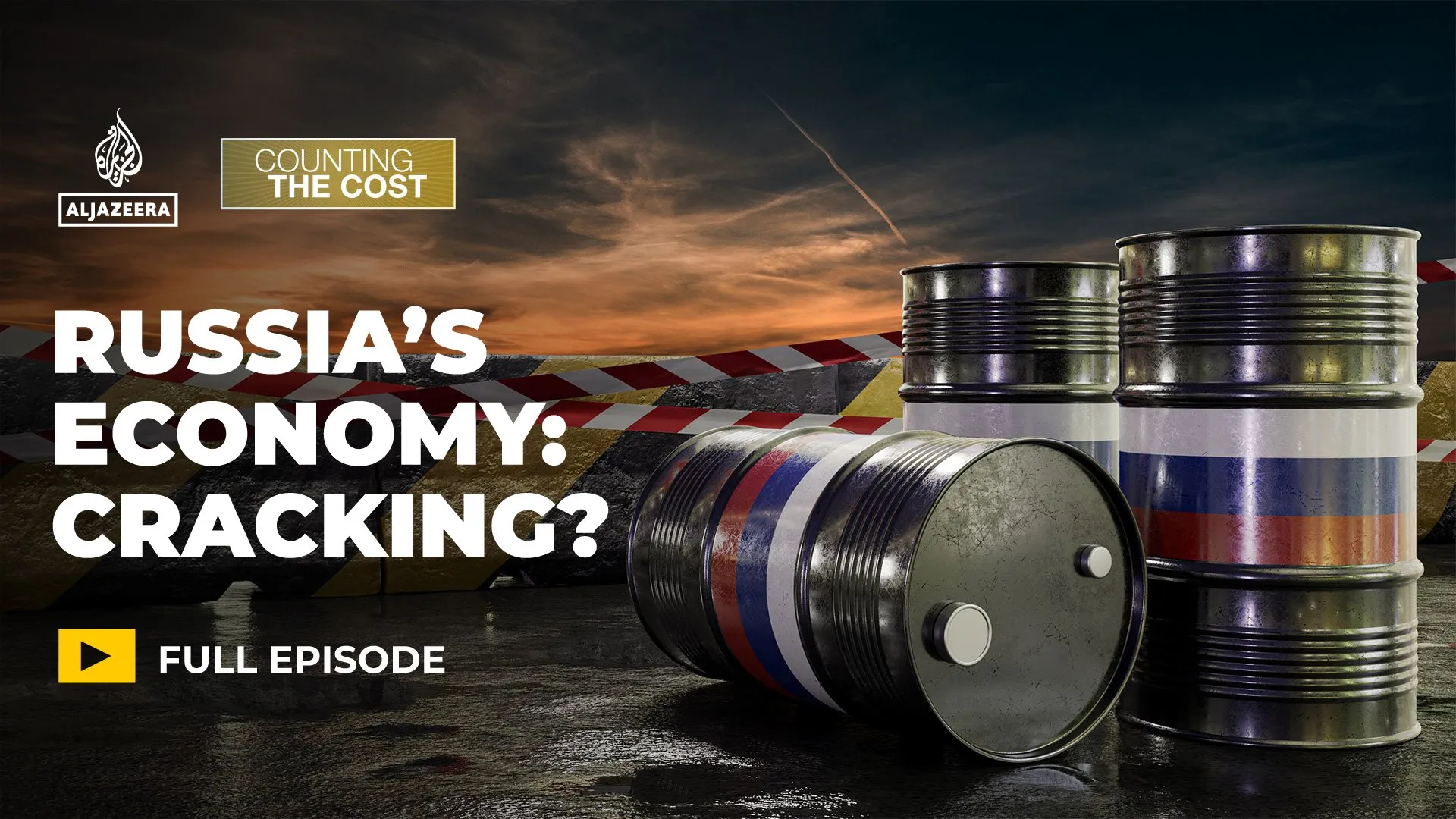
Russia’s economy is facing intensifying pressure four years into the conflict in Ukraine, with growth projected to slow to its weakest pace since 2022. The strain is driven by a widening budget deficit and escalating Ukrainian military strikes, challenges that are beginning to offset the financial benefits Moscow has derived from higher global energy prices.
The United States Senate has backed proposed tariffs of up to 100 percent on buyers of Russian energy. This legislative move aims to counteract the revenue boost Russia has gained from the conflict in the Middle East, which has lifted oil prices and increased Moscow’s income. The tariffs represent a significant escalation in US efforts to restrict Russian financial resources despite the country’s resilience against previous Western sanctions.
While the budget deficit continues to widen, Russia retains substantial financial buffers. The nation holds more than $300 billion in accessible reserves, providing a degree of stability even as domestic economic indicators deteriorate. However, the combination of fiscal deficits and targeted military pressure is testing the durability of the Russian economy.
Ukrainian strikes have increasingly impacted the domestic Russian economy, with recent attacks causing fires at an industrial area in the Bashkortostan region. Concurrently, Russian forces have targeted Ukrainian infrastructure, including causing fires at the Izmail port. These military engagements underscore the deepening economic and physical toll on both nations.
In response to the ongoing hostilities, Ukraine has secured 7.2 billion euros in military aid from EU financing as of June. President Volodymyr Zelenskyy has also requested between 5 and 10 percent of US Patriot interceptor stocks to defend against Russian ballistic missile attacks. These developments highlight the continued international support for Kyiv as the conflict enters its fourth year.