DRC Ebola outbreak reaches sixth province amid warnings of historic scale
The World Health Organization reports the virus is spreading faster than any previous iteration, with clinical trials for new vaccines now underway in Ituri province.
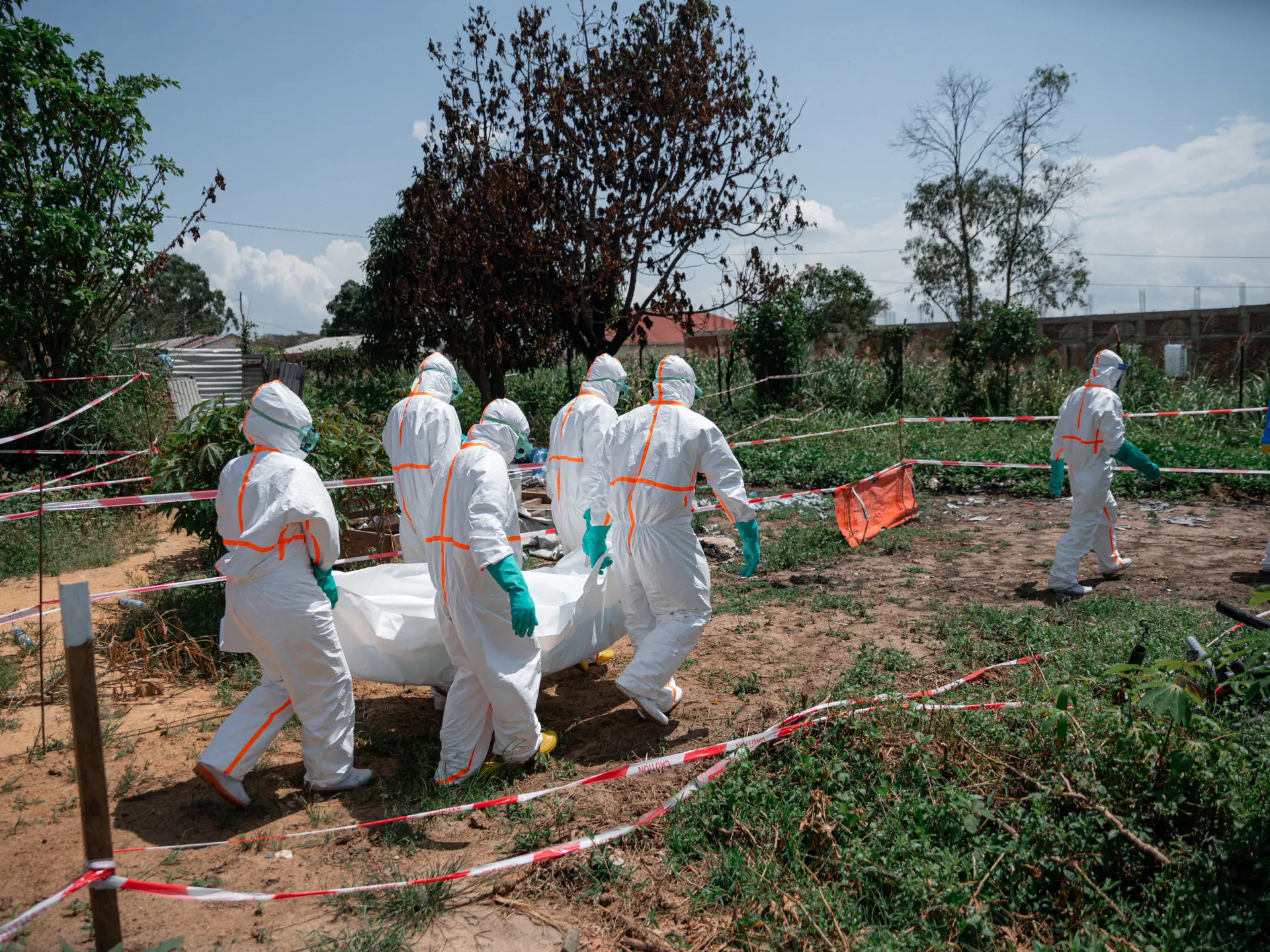
The Ebola outbreak in the Democratic Republic of Congo has expanded to Bas-Uele province, marking the sixth region affected by the crisis. The Africa Centres for Disease Control and Prevention confirmed the spread after a death was recorded in Buta, the provincial capital, following travel from Haut-Uele.
Jean Kaseya, head of the Africa CDC, warned that if containment measures fail, the epidemic could persist for more than a year and become the largest in the world. He noted that the expansion increases the risk of the virus crossing international borders.
The outbreak, caused by the rare Bundibugyo strain, has recorded 4,566 cases and 2,128 deaths according to government figures. The World Health Organization stated the virus is spreading faster than any previous outbreak and is on track to surpass the deadliest on record, which claimed over 11,000 lives more than a decade ago.
WHO Director-General Tedros Adhanom Ghebreyesus indicated that while the agency hopes to reverse the spread within three months, the outbreak will not end by that time. The virus, which is transmitted via bodily fluids and contaminated surfaces, began circulating in Ituri province in February before being formally declared on 15 May.
In response to the escalating crisis, clinical trials for two potential treatments and vaccines specific to the Bundibugyo strain began last month in Ituri. The WHO also plans to test whether an existing Ebola vaccine can provide protection against the current strain, following promising results in animal studies.
Currently, there are no approved vaccines or treatments for the Bundibugyo strain. The affected provinces include Ituri, North Kivu, South Kivu, Haut-Uele, Tshopo, and the newly impacted Bas-Uele.