US Navy Secretary Removed Amid Ongoing Military Reshuffle
Undersecretary Hung Cao appointed to serve in acting capacity while unresolved conflict with Iran persists
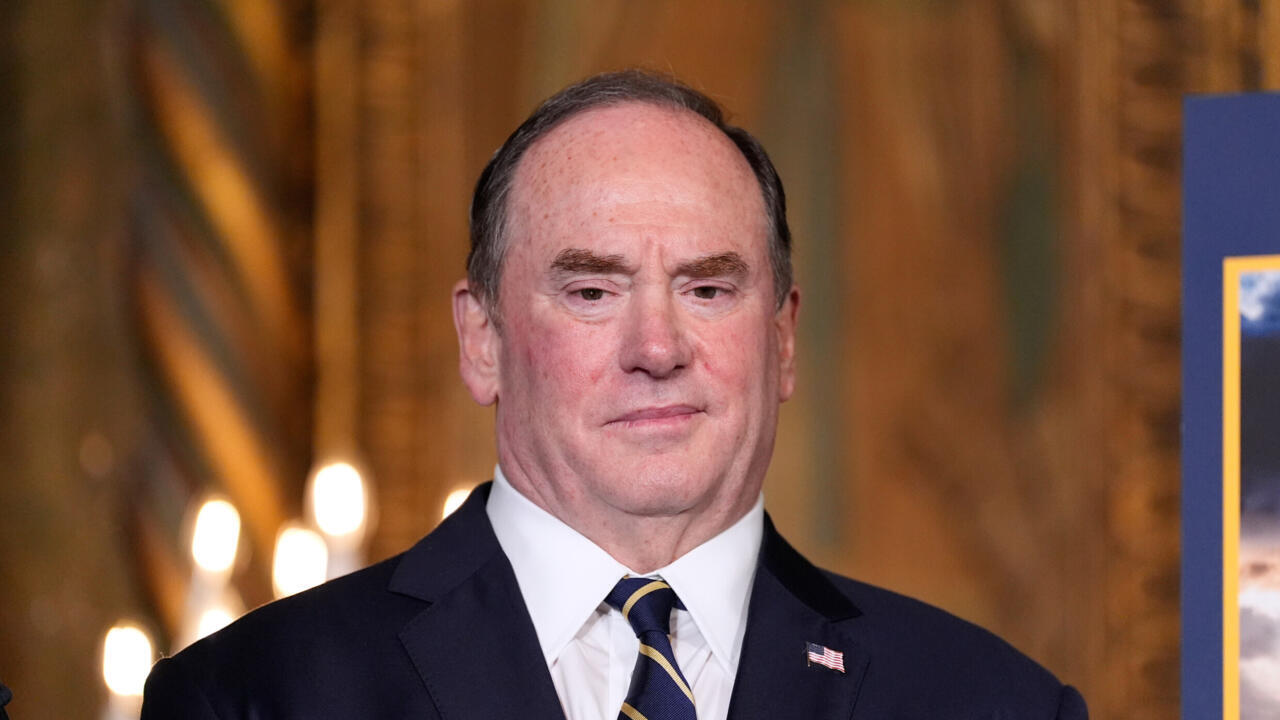
The Pentagon has announced that US Secretary of the Navy John Phelan has left his post with immediate effect. The confirmation came on Wednesday without any explanation provided by the department for the sudden exit. This development marks the latest in a series of personnel changes affecting the upper echelons of the American military.
Phelan's departure occurs against the backdrop of a broader clear-out of senior military figures under President Donald Trump. The United States remains locked in an unresolved conflict with Iran during this period of significant institutional restructuring. The timing of the announcement highlights the ongoing nature of the administration's approach to military leadership.
Undersecretary Hung Cao has been designated to serve as acting Secretary of the Navy following the removal. This interim arrangement ensures continuity in the department's operations while the permanent replacement is identified. The transition underscores the fluidity of the current command structure within the US Department of Defence.
The removal of Phelan follows the dismissal of other top officers earlier this month, including General Randy George and General Charles "CQ" Brown. These actions are part of a wider purge that has seen the departure of heads of the US Navy and Coast Guard, as well as the general who headed the National Security Agency. The pattern suggests a systematic review of senior appointments across multiple branches.
Defence Secretary Pete Hegseth has ordered cuts to the number of four-star generals and admirals, a move that aligns with the recent departures. The Pentagon chief previously mandated at least a 20 percent reduction in active-duty four-star generals and admirals, alongside a 10 percent cut in the overall number of general and flag officers. These structural changes aim to reshape the composition of the senior military leadership.
While Hegseth has insisted the president is simply choosing the leaders he wants, the rapid succession of dismissals has drawn attention from Democratic lawmakers. Concerns have been raised regarding the potential politicisation of the traditionally neutral US military during this period of intense reshuffling. The lack of public explanation for Phelan's specific departure adds to the scrutiny surrounding these decisions.