Strait of Hormuz tensions escalate as US seizure of *Touska* follows naval blockade
Following the capture of the Iranian-flagged container ship *Touska* on 20 April, the US has intensified its blockade of Iranian ports, prompting Tehran to restrict passage in the Strait of Hormuz to vessels it deems friendly.
On 20 April 2026, United States forces fired upon and seized the Iranian-flagged container ship *Touska* in waters near the Strait of Hormuz. This action marked a significant escalation in the ongoing maritime dispute, occurring just days after the US imposed a naval blockade on all Iranian ports on 13 April. The Pentagon stated that the seizure was part of broader global maritime enforcement efforts designed to disrupt illicit networks and interdict sanctioned vessels operating in international waters.
In response to the tightening of US restrictions, Iran has significantly altered its control over the strategically vital strait. Tehran has now restricted passage to vessels it considers friendly, while firing at merchant ships operating without authorisation. Iran's First Vice President, Mohammad Reza Aref, declared that the security of the strait is not free, asserting that passage remains closed to enemies until the US lifts its blockade. This shift has effectively closed the waterway to a wider range of international traffic than previously seen.
The disruption to global shipping has immediate economic consequences, driving oil prices to surge. Brent crude topped $106 per barrel during a ceasefire window and rose as high as $119 per barrel during periods of open hostilities in March and early April 2026. The crisis has severely impacted global energy transport, with shipping through the strait collapsing by 95 percent since Iran initially closed passage to all vessels in March.
Further complicating the situation, US forces detained a second oil tanker on 21 April in the Bay of Bengal for transporting sanctioned Iranian crude. Simultaneously, Iranian armed forces escalated their actions on 22 April, reportedly firing at two Indian-flagged merchant vessels and capturing two container ships attempting to exit the Gulf via the Strait. These events highlight the diverging paths of the two nations as they vie for dominance over the critical waterway.
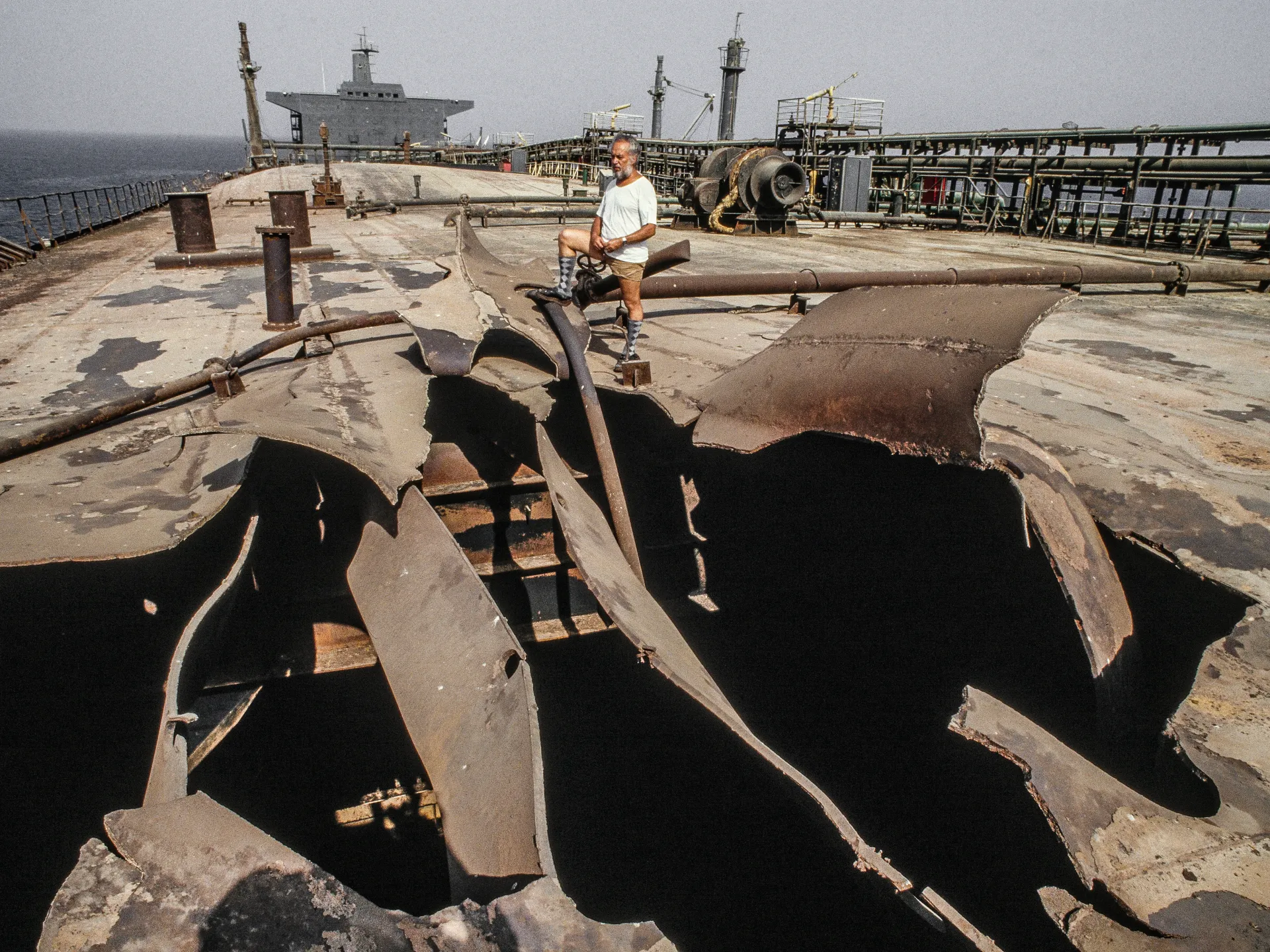
Analysts are drawing parallels between the current crisis and the 1980s Tanker War between Iran and Iraq, noting similar patterns of maritime disruption. However, the geopolitical context differs markedly. Unlike the 1980s, where NATO allies such as the UK, France, and Italy participated in escorting tankers and minesweeping operations, current US allies have refused to join Washington in reopening the strait or conducting minesweeping missions. This lack of alliance support contrasts with the broader coalition that supported US operations during Operation Earnest Will.
Operational constraints remain a significant factor in the region's stability. While the US has stated it will ramp up efforts to remove mines, only a few minesweeping ships are currently in the Gulf. The US Navy noted that four dedicated minesweepers stationed in the region were decommissioned the previous year, limiting the capacity to clear the waterway. Despite the absence of confirmed mine damage to vessels so far, the risk remains a central concern for global trade and maritime security.