US Navy Directive Targets Iranian Vessels in Strait of Hormuz Amid Escalating Regional Tensions
The US administration has issued specific instructions to the Navy to engage Iranian vessels actively laying mines within the critical waterway. Concurrently, Israeli officials indicate readiness to resume offensive operations pending explicit authorisation from Washington, suggesting a shift from diplomatic negotiation toward kinetic conflict.
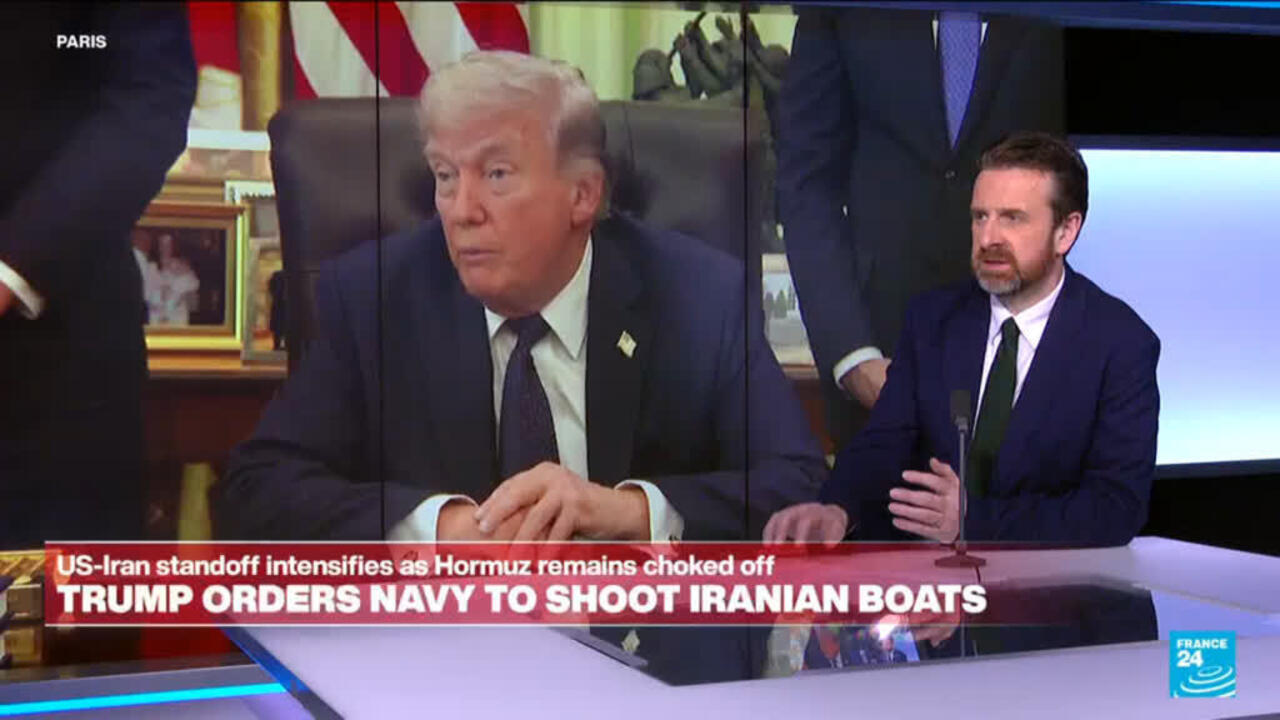
President Donald Trump has issued a directive ordering the US Navy to engage and destroy Iranian boats laying mines within the Strait of Hormuz. This specific instruction marks a significant escalation in the ongoing maritime standoff, moving the situation closer to renewed direct conflict rather than a diplomatic resolution. The focus of the order is strictly on vessels actively engaged in laying mines, distinguishing the operational scope from a broader engagement of all Iranian ships in the region.
The scope of the US naval posture in the area has been expanded alongside this directive. The administration has stated that the blockade now prohibits any ship from entering or leaving the waterway without explicit approval from the US Navy. This policy effectively seals the critical waterway, raising immediate concerns regarding global energy transport and the legal implications of a total blockade on international shipping lanes.
Tensions between the United States and Iran appear to be edging toward renewed conflict rather than a peace deal. This geopolitical friction is compounded by the strategic importance of the Strait of Hormuz as a vital global waterway for oil transport. The current standoff has already driven global oil prices past $106, highlighting the severe economic ramifications of the escalating military posturing in the Middle East.
Amidst this intensifying naval standoff, Israel has indicated it is prepared to resume bombing operations pending approval from Washington. Israeli Defence Minister Israel Katz has confirmed that targets have been identified, including key energy and electricity facilities. He stated that military action is contingent solely on a "green light" from the United States, underscoring the dependency of regional offensive capabilities on US authorisation.
The regional volatility is further compounded by high execution rates in Iran, which human rights groups attribute to ongoing unrest and the broader conflict triggered by US and Israeli actions. While the primary focus remains on the maritime standoff, reports regarding the execution of eight women in Iran are presented as conflicting claims in available sources. These details require independent verification and should be treated with caution until further confirmation is available.
It remains unclear if the US administration has authorised the specific offensive action against the marked Israeli targets, despite Defence Minister Katz's statement of readiness. The timeline for any potential diplomatic resolution or the duration of the naval blockade is currently unknown. As the US Navy prepares to enforce its orders, the window for a peaceful diplomatic outcome appears to be narrowing rapidly.