US naval blockade deepens Iran's economic crisis and disrupts daily life
Inflation is forecast to reach nearly 69% in 2026 as families deplete savings and migrate from major cities amidst widespread job losses and scarcity.
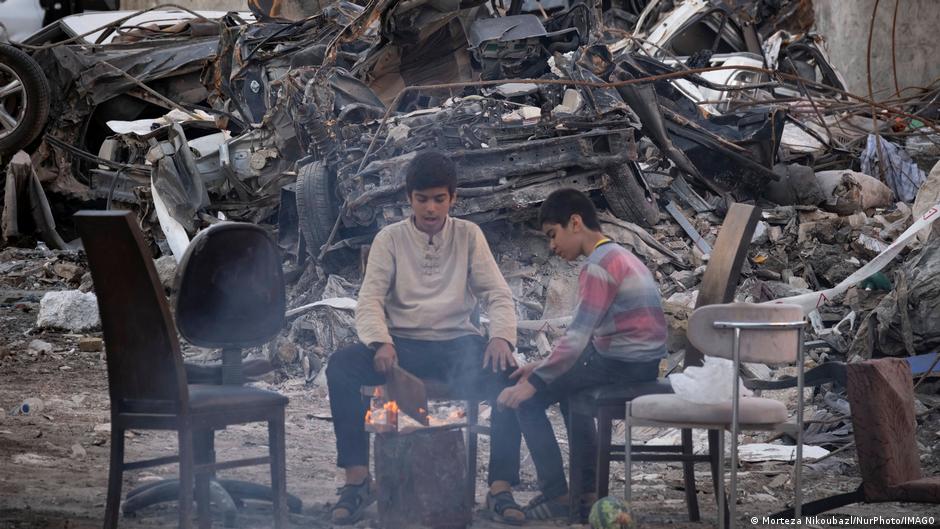
Since mid-April 2026, the US Navy has maintained a blockade of Iranian ports in response to Tehran's closure of the Strait of Hormuz. Although Washington states the operation aims to restrict Iranian oil exports and pressure the leadership in the capital, the immediate consequences are being felt most acutely by the general population through severe disruptions to essential imports.
The blockade has critically hampered the arrival of basic foodstuffs and production inputs, driving up prices and causing widespread shortages. Ashkan Nizamabadi, an economic journalist based in Berlin, noted that Iran imports approximately one million tons of rice annually, primarily from India and Pakistan. With maritime routes blocked, the country faces the prospect of relying on significantly more expensive land routes or increased cooperation with Turkey, a logistical shift that will ultimately be passed on to consumers.
Sector-wide job losses have compounded the economic strain following the destruction of oil and industrial facilities. Tens of thousands of day labourers have been laid off, while production standstills in the steel and petrochemical industries threaten to trigger further business closures. Many services that came to a halt during the war have yet to recover, even as a ceasefire remains in place between warring parties.
Despite the cessation of active hostilities, daily life remains characterised by fear and scarcity. Families are depleting their savings to survive, with many young people returning to their parents' homes or migrating out of large cities such as Tehran. An anonymous journalist from Tehran described the prevailing mood as one of collective exhaustion, noting that people in supermarkets and bakeries are purchasing only enough food for a single meal, uncertain of what the next day will bring.
The economic outlook remains grim, with inflation forecast to reach nearly 69% in 2026. Amir Alizadeh, head of international business at the Ulm Chamber of Industry and Commerce, stated that the International Monetary Fund is forecasting negative economic growth of around 6% for the year. Furthermore, the United Nations Development Programme projects the poverty rate will climb from 36% to approximately 41% as the economy enters a deep recession.
While industry publication Lloyd's List reported that 26 vessels, including at least 11 oil and gas tankers carrying Iranian cargo, crossed the blockade line since 13 April, the Pentagon denied this report the following day. Regardless of the efficacy of the blockade in achieving its strategic objectives, international security experts warn that the human cost is mounting, with the population bearing the brunt of the prolonged crisis.