US maritime interdiction targets sanctioned oil carrier amid Strait of Hormuz tensions
Central Command reports 33 vessels ordered to return to port since April blockade; President Trump directs Navy to destroy mine-laying boats
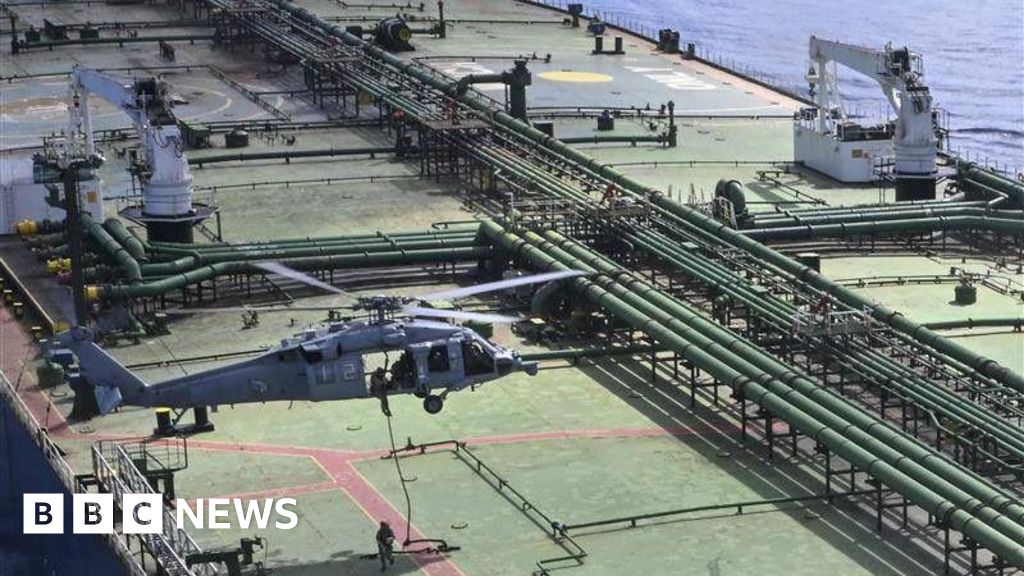
US forces have boarded the M/T Majestic X, a sanctioned vessel carrying Iranian oil, as part of a maritime interdiction in the Indian Ocean. This action represents the latest escalation in Washington's maritime campaign against Tehran, following a blockade imposed on 13 April that targets all ships entering or leaving Iranian ports. Since the restrictions took effect, US Central Command has reported ordering 33 vessels to return to port, citing violations of the maritime interdiction policy.
President Donald Trump has hardened the military posture in the region by directing the US Navy to destroy any boats detected laying mines in the Strait of Hormuz. The directive, issued on 23 April, targets vessels specifically caught in the act of deploying mines within the critical shipping channel. While the Pentagon has dismissed reports suggesting a potential six-month closure of the strait due to mine clearance, the administration maintains that US mine sweepers are currently clearing the waterway with no hesitation.
Conversely, Tehran has moved to assert operational control over the strait by imposing tolls on shipping, a move Iranian officials claim has already generated revenue deposited with the Central Bank. Deputy Speaker Hamidreza Haji Bababei stated that the first toll revenues had been collected, though the BBC could not independently verify the claim or provide details on the amount, collection method, or payers. Iranian President Masoud Pezeshkian and other officials have simultaneously described the nation as possessing "iron unity" against the ongoing conflict.
The diplomatic backdrop remains fractured as the US extends a two-week ceasefire at the request of mediator Pakistan to allow Tehran time to formulate a unified proposal. Despite this pause, President Trump has claimed the blockade is 100 per cent effective, asserting that Iran is receiving no business from the strait and disputing reports that he is anxious to end the war. He has further claimed that Iran is struggling to identify its own leadership following the death of Supreme Leader Ayatollah Ali Khamenei in February.
Tensions in the region are compounded by conflicting reports regarding the seizure of cargo ships in the Strait of Hormuz. While Iranian media, including the IRGC-affiliated Fars News Agency, claimed to have seized two vessels, Greek authorities have denied the seizure of the Epaminondas, stating its captain remains in control. However, BBC Verify analysis noted that transponders for both identified vessels have been switched off, adding ambiguity to the operational reality on the water.
The conflict traces back to the US and Israel attacks on 28 February, which resulted in the death of Ayatollah Khamenei and his succession by his son Mojtaba. Israel's Defence Minister Israel Katz has stated his country is ready to resume hostilities to eliminate the Khamenei dynasty, waiting for a green light from Washington. Meanwhile, internal friction within the US military regarding the conflict has been noted, though the specific scale and nature of such dissent remain undefined in public reporting.