Diplomatic Initiative in Pakistan: US Envoys Arrive as Iran Remains Silent on Talks
While the White House expresses optimism regarding a potential deal, Iranian officials have not confirmed participation in new negotiations despite Pakistan's mediation efforts.
President Donald Trump has dispatched envoys Steve Witkoff and Jared Kushner to Pakistan to engage with Iranian Foreign Minister Abbas Araghchi, who arrived in Islamabad on 24 April 2026. The deployment marks a significant escalation in diplomatic efforts aimed at resolving the ongoing US-Israeli war and curbing Iran's nuclear programme, though the White House maintains that direct face-to-face negotiations have not yet been scheduled.
According to White House press secretary Karoline Leavitt, the administration has observed some progress from the Iranian side in recent days, prompting the decision to send Witkoff and Kushner specifically to hear Tehran's proposals. Leavitt noted that Vice President JD Vance remains on standby but is not travelling to Pakistan, indicating a focused approach by the President to receive initial offers without immediate high-level engagement.
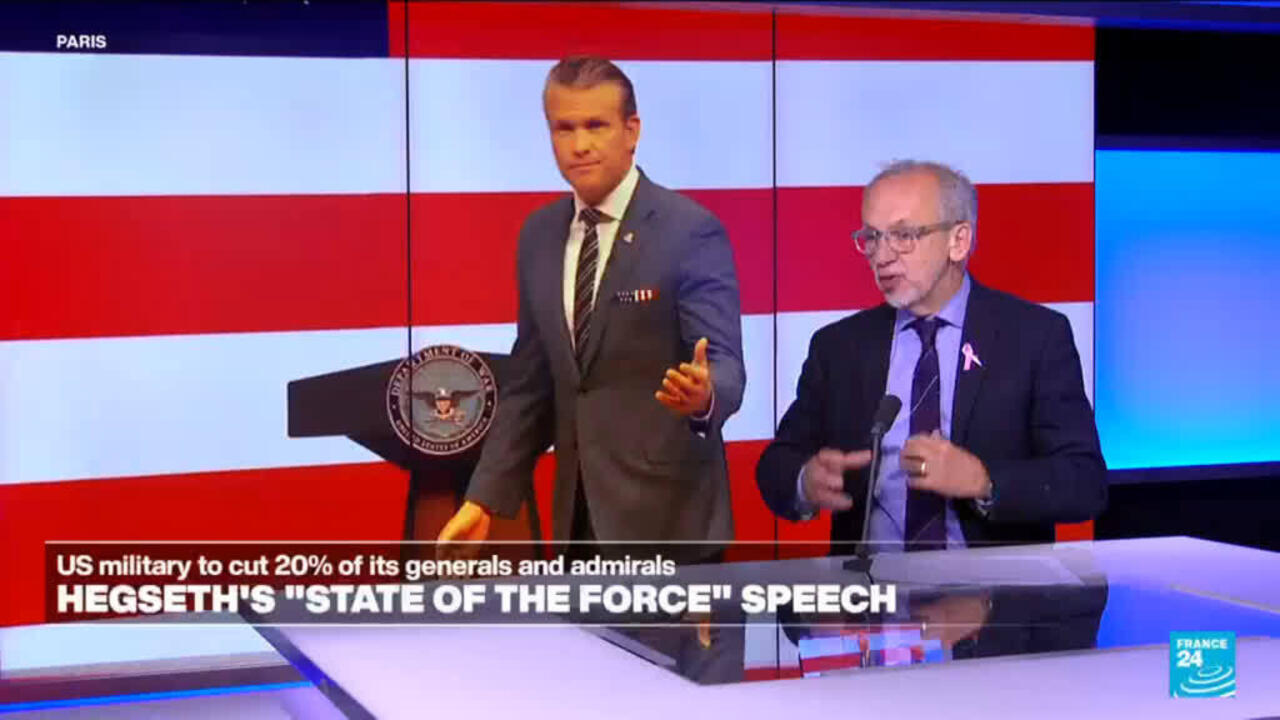
Concurrently, US Defence Secretary Pete Hegseth has characterised the current situation as an "open window" for Iran to secure a favourable agreement. He emphasised that Tehran must abandon nuclear weapons in meaningful and verifiable ways to make a good deal, suggesting that the administration views the current diplomatic overtures as a critical juncture for policy resolution.
Pakistan is acting as the primary mediator in these developments, with two government sources confirming that the visit is intended to be brief. The focus appears to be on conveying Iran's proposals to Washington rather than facilitating immediate talks, a stance that aligns with reports from Al Jazeera indicating a senior Iranian official has stated the country is not ready for a new round of negotiations at this time.
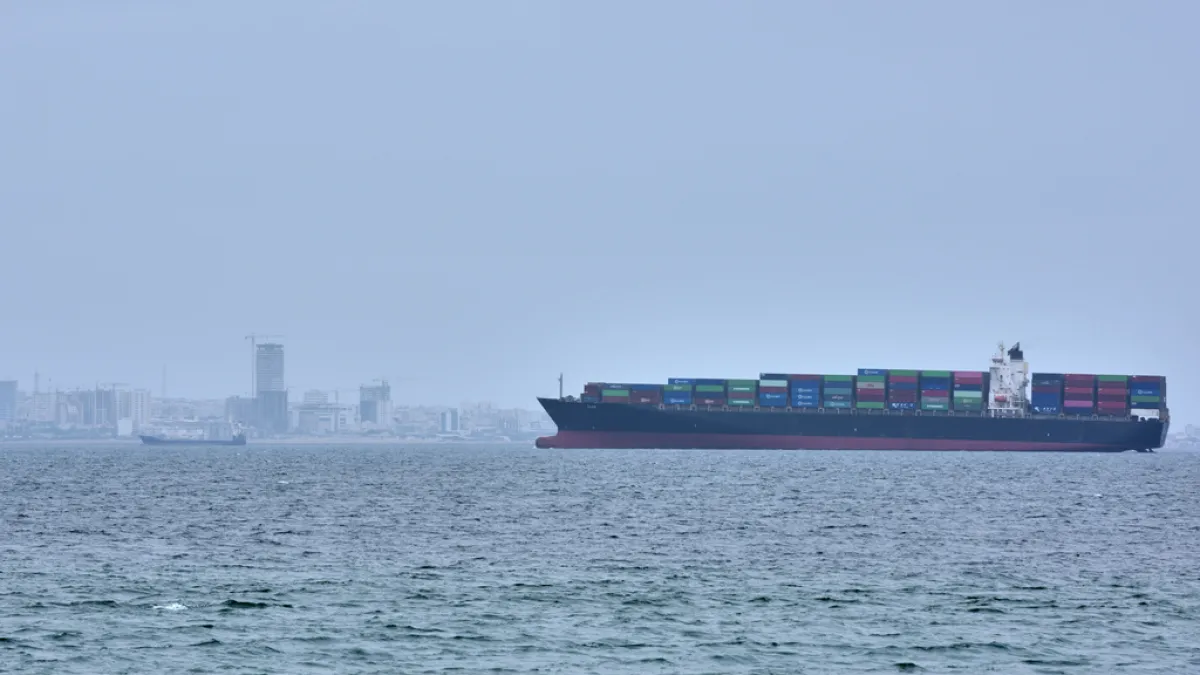
The diplomatic landscape is further complicated by conflicting actions in the region. While the US has unilaterally extended a two-week ceasefire to allow time for reconvening negotiators and frozen $344m in Iranian cryptocurrency assets to degrade Tehran's financial capabilities, Iran maintains its blockade of the Strait of Hormuz. This maritime restriction remains a point of contention, with Tehran refusing to lift the blockade until the US removes its own restrictions on Iranian ports.
Reports suggest that Mohammad Baqer Ghalibaf, the head of Iran's negotiating team, has not resigned despite earlier speculation, with the parliament's media office denying such claims. This continuity in leadership contrasts with the previous failed talks involving Vice President Vance, as the current administration seeks to determine if a new approach can break the deadlock.
As the envoys arrive in Islamabad, the situation remains fluid. The White House continues to express optimism about reaching a deal, yet the lack of confirmation from Iranian officials regarding their participation leaves the immediate future of these high-stakes negotiations uncertain.