US–Iran conflict tests whether Qatar-mediated contacts can become diplomacy
Stimson Center fellow Barbara Slavin says indirect exchanges remain too fragile for a breakthrough as military escalation and domestic political pressures constrain compromise.
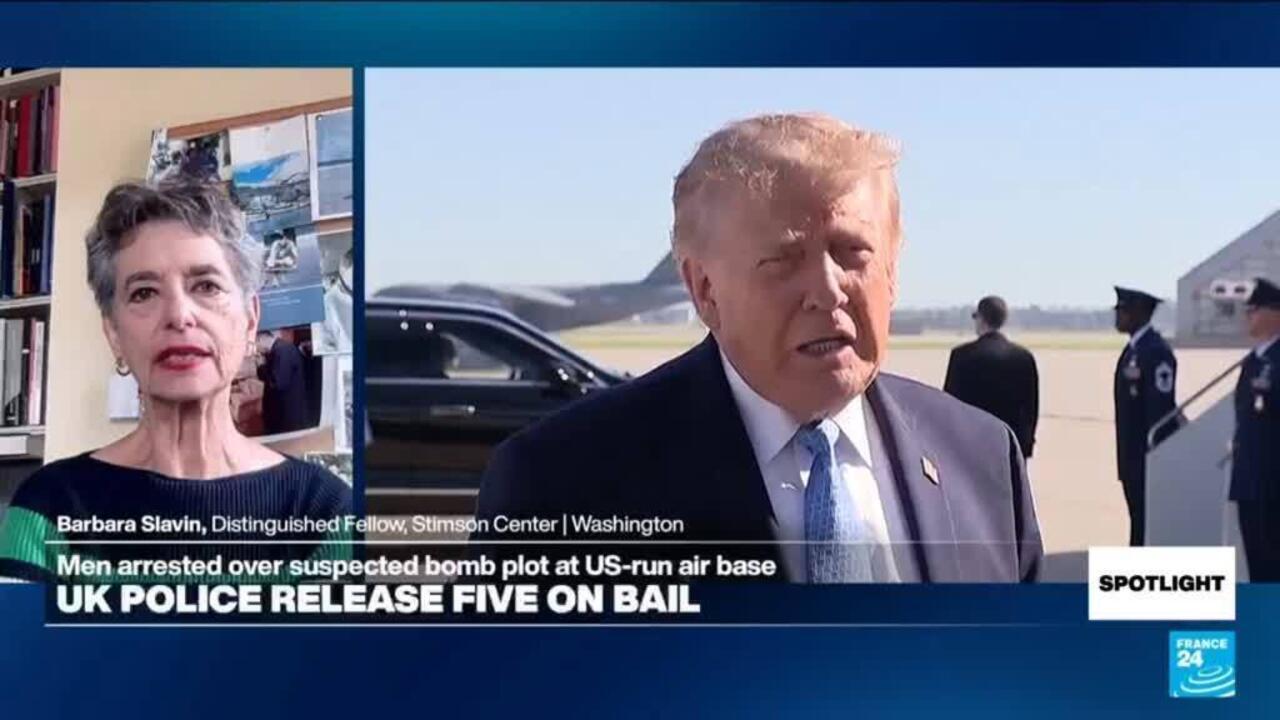
The US–Iran conflict is marked by military escalation alongside limited diplomatic contact, according to Barbara Slavin, a Distinguished Fellow at the Stimson Center. In an interview with France 24, she said Qatar-mediated exchanges between Washington and Tehran had not produced a serious breakthrough.
Slavin characterised the contacts as “kabuki diplomacy”: each side engages while avoiding any appearance of compromise. She said the exchanges were significant simply because they had taken place, but the challenge was turning them into a sustained process capable of ending the war.
Domestic political incentives are a central obstacle, in her assessment. Slavin said both governments face pressure not to appear to yield, and expects diplomacy to remain elusive in the coming months.
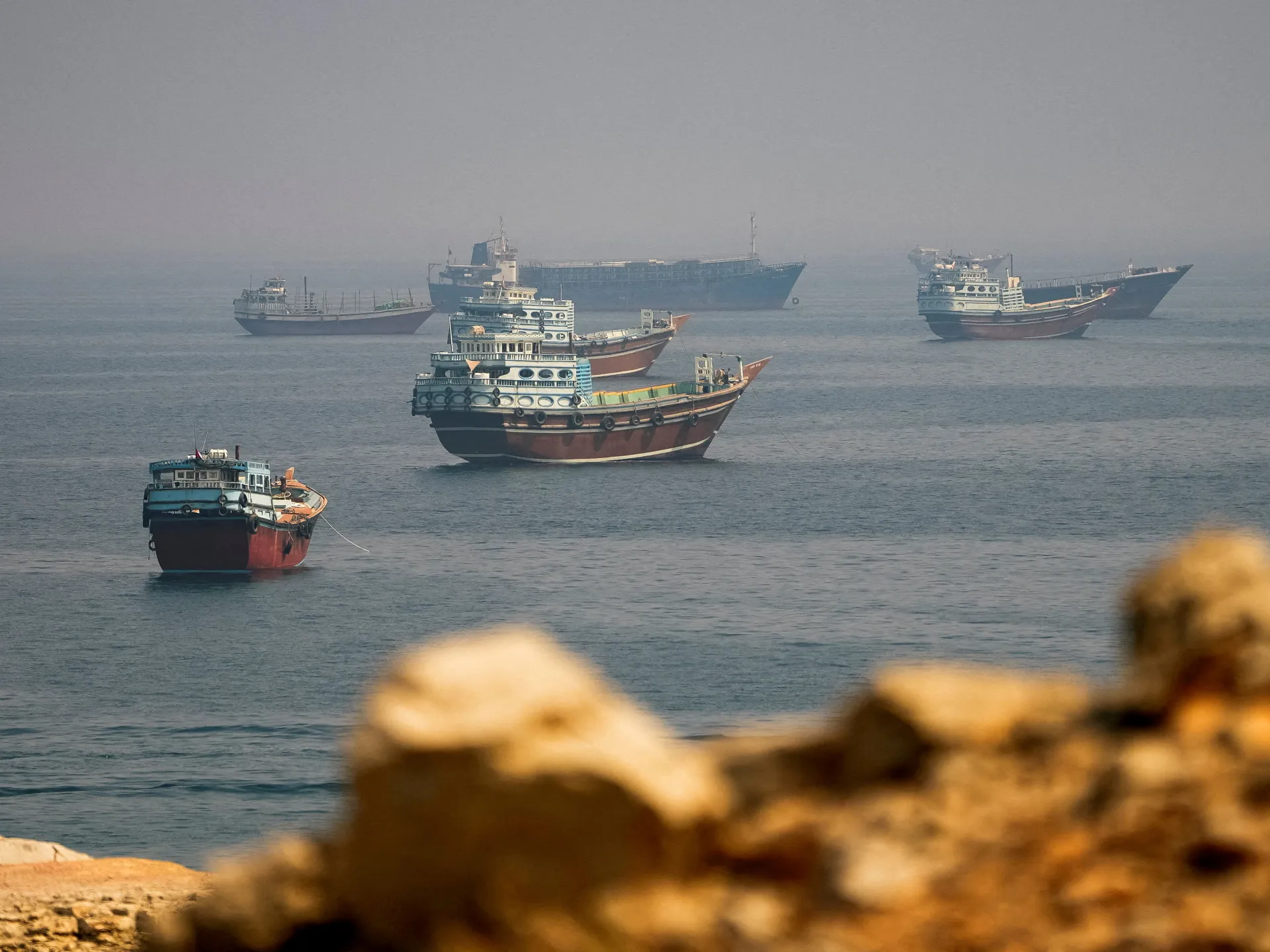
She also described regional consequences, saying Saudi Arabia had been drawn deeper into the conflict and Houthi threats continued to affect regional security and shipping. Disruption around the Strait of Hormuz, she said, has had significant consequences for global energy markets.
The interview did not detail the Qatar-mediated contacts or independently establish the scale of the military, shipping or market effects. Slavin’s account leaves open whether either side can move from brinkmanship towards a sustained diplomatic process.