Hormuz claims test the limits of pressure and diplomacy
Iran says attacks have pushed US warships farther offshore, while oil shipments through the strait rise and Washington maintains its blockade of Iran’s southern ports.
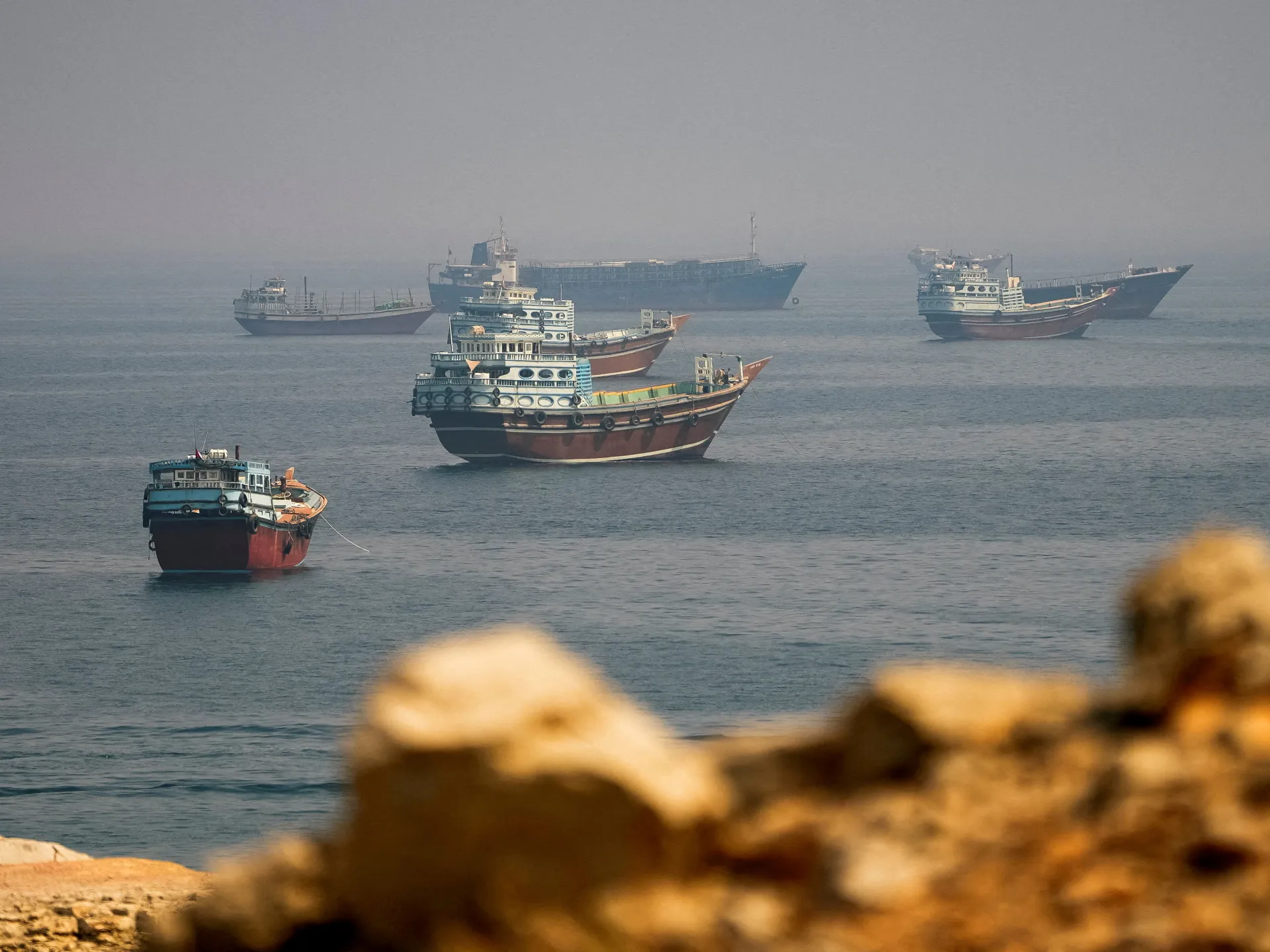
Iran says its attacks on ships near the Strait of Hormuz have forced US warships farther from its coast. The claim, reported by Al Jazeera, has not been independently confirmed. US media have separately reported that eight Marines suffered smoke inhalation and possible traumatic brain injuries in a 14 September missile attack; the vessel was reportedly not a US Navy ship. US Central Command did not respond to Al Jazeera’s request for comment.
Oil is moving through the waterway in greater volumes, though the estimates cover different measures. US Energy Secretary Chris Wright put crude flows at nearly 13 million barrels a day, while Treasury Secretary Scott Bessent cited 15 million to 22 million. Kpler’s preliminary data put September crude exports through the strait at an expected 7.4 million barrels a day.
Washington continues to blockade Iran’s southern ports and has rejected Tehran’s latest proposal to reopen the strait. Iran says it will not negotiate directly and wants previous understandings with the US and Oman to provide a basis for a future agreement.
Mediators are expected to facilitate further exchanges this week, but no meeting or direct talks have been confirmed. Iran has said it is prepared for defensive and offensive action if necessary, while analysts cited by Al Jazeera expect pressure around the strait to continue. They also warn that a successful attack causing significant US casualties could trigger wider escalation.