UN experts urge halt to US third-country deportation deals
More than 20 independent experts warn that sending migrants to countries where they have no ties risks serious abuses and may expose assisting states to international responsibility.
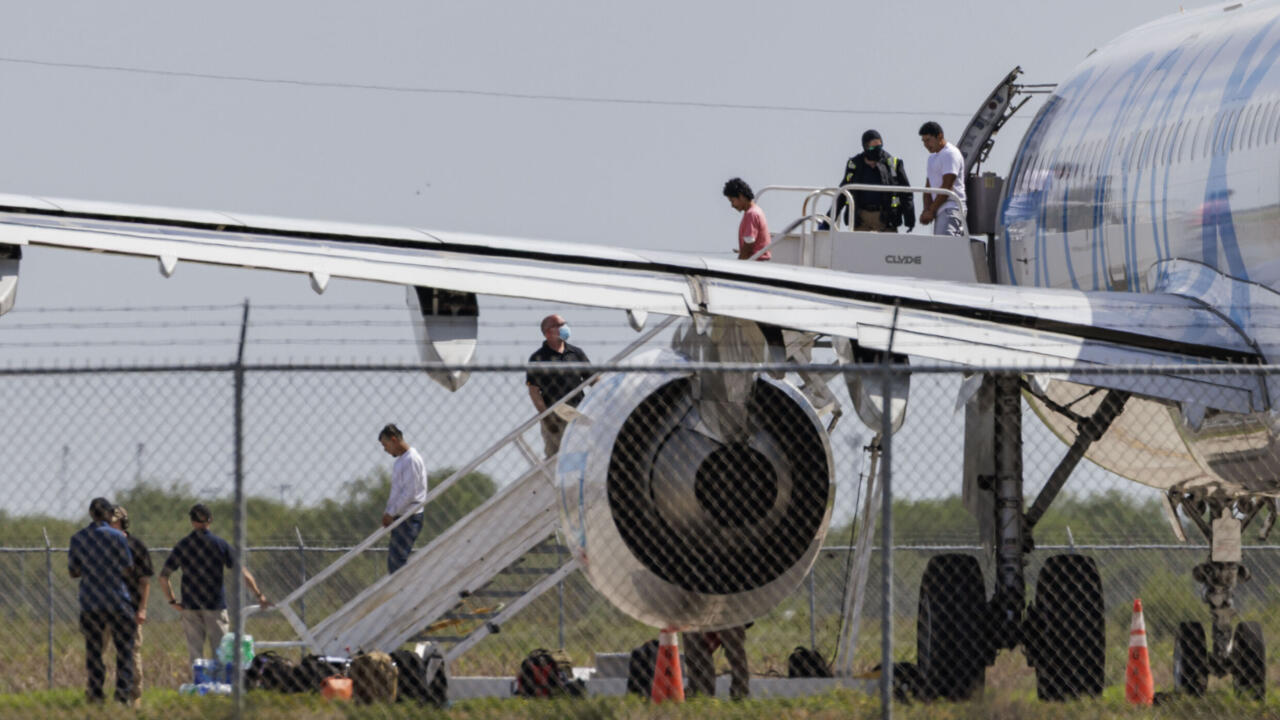
More than 20 independent UN experts have called for the United States and other governments to halt agreements that send migrants to countries with which they have no ties. They warn the arrangements increase risks of torture, ill-treatment and enforced disappearance.
The experts say the transfers may breach the customary international law principle of non-refoulement, which protects people from being sent to places where they face serious harm. They also cite risks of arbitrary detention, slavery and trafficking, including discrimination or violence linked to gender, sexuality or human rights advocacy.
The experts say Washington has signed agreements with more than 35 countries and estimate that at least 23,000 third-country nationals have been deported. A separate investigation by Forbidden Stories and an international journalists’ consortium put the number above 25,000 by the end of August. The estimates differ.
Those at greatest risk, according to the experts, include children, women, people with disabilities, trafficking survivors, LGBT people, human rights defenders and stateless people. They say many receiving countries lack asylum processing, protective facilities, adequate health services or sustainable reintegration options.
The experts say they have notified the US and other governments involved. They warn that a state that knowingly assists conduct violating human rights obligations may itself incur international responsibility, and say aid agencies’ participation must not legitimise harmful transfers.