US immigrant veterans face deportation risk as mass removal campaign intensifies
Advocacy groups warn that bureaucratic backlogs and restricted humanitarian parole pathways leave a significant demographic exposed to removal despite prior military service.
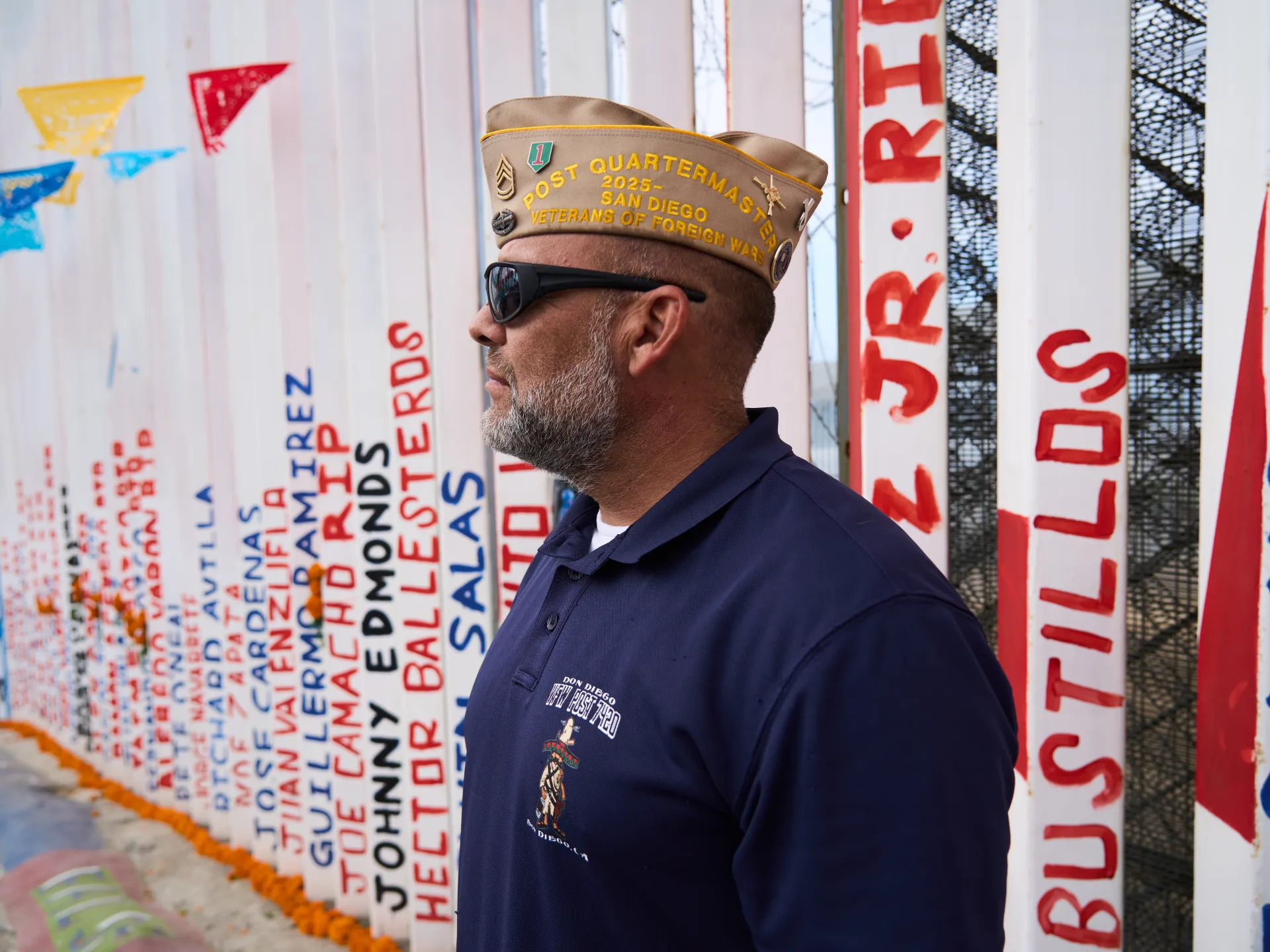
President Donald Trump's second-term administration has escalated a mass deportation campaign, prompting heightened anxiety among immigrant US military veterans regarding their potential expulsion. While the government estimates that at least 675,000 individuals have been forcibly removed as of January 2026, officials have not provided a specific breakdown of how many of those removed are veterans. This lack of granular data obscures the full extent of the impact on service members who lack US citizenship.
Approximately 118,000 immigrant veterans currently do not hold citizenship, having enlisted during conflicts such as the Iraq War and relying on promises of expedited naturalisation. These assurances, originally pledged by the Bush administration to boost recruitment, were frequently delayed or denied due to chronic bureaucratic backlogs and criminal records. The current enforcement environment has further restricted access to humanitarian parole, a critical pathway for deported veterans to return, leaving many applications unprocessed due to agency understaffing.
The vulnerability of this demographic is compounded by the fact that roughly one-third of veterans are arrested at least once in their lifetimes. High rates of post-traumatic stress, traumatic brain injuries, and substance abuse issues often contribute to criminal convictions that jeopardise immigration status. Although the Illegal Immigration Reform and Immigrant Responsibility Act of 1996 expanded deportable offences to include nonviolent crimes, the current administration's approach appears to treat veteran deportations as a byproduct of indiscriminate enforcement rather than targeted operations.
Recent developments illustrate the precarious position of these individuals. Benito Miranda Hernandez, an Iraq War veteran with a criminal record, recently secured approval for a green card from the Department of Homeland Security after visiting an immigration office with support groups. However, advocates caution that permanent residency does not guarantee immunity under current policies, leaving Hernandez and others anxious that their status may not fully protect them from future removal.
Barriers to accessing Veterans Affairs benefits persist for those who are deported, particularly for medical conditions requiring in-person evaluations at VA centres. While some deported veterans remain eligible for benefits, the logistical hurdles of obtaining care while detained or living abroad present significant challenges. Advocacy groups, including the Immigrant Military Members and Veterans Initiative, continue to seek legal pathways to protect this group, though critics note the programme's limited success in facilitating permanent solutions.