Strait of Hormuz tensions threaten sub-Saharan Africa's food security and fertiliser supply chains
With approximately 80 per cent of fertiliser in the region imported, experts urge governments to coordinate buffer stocks and expand domestic production to shield smallholder farmers from price volatility.
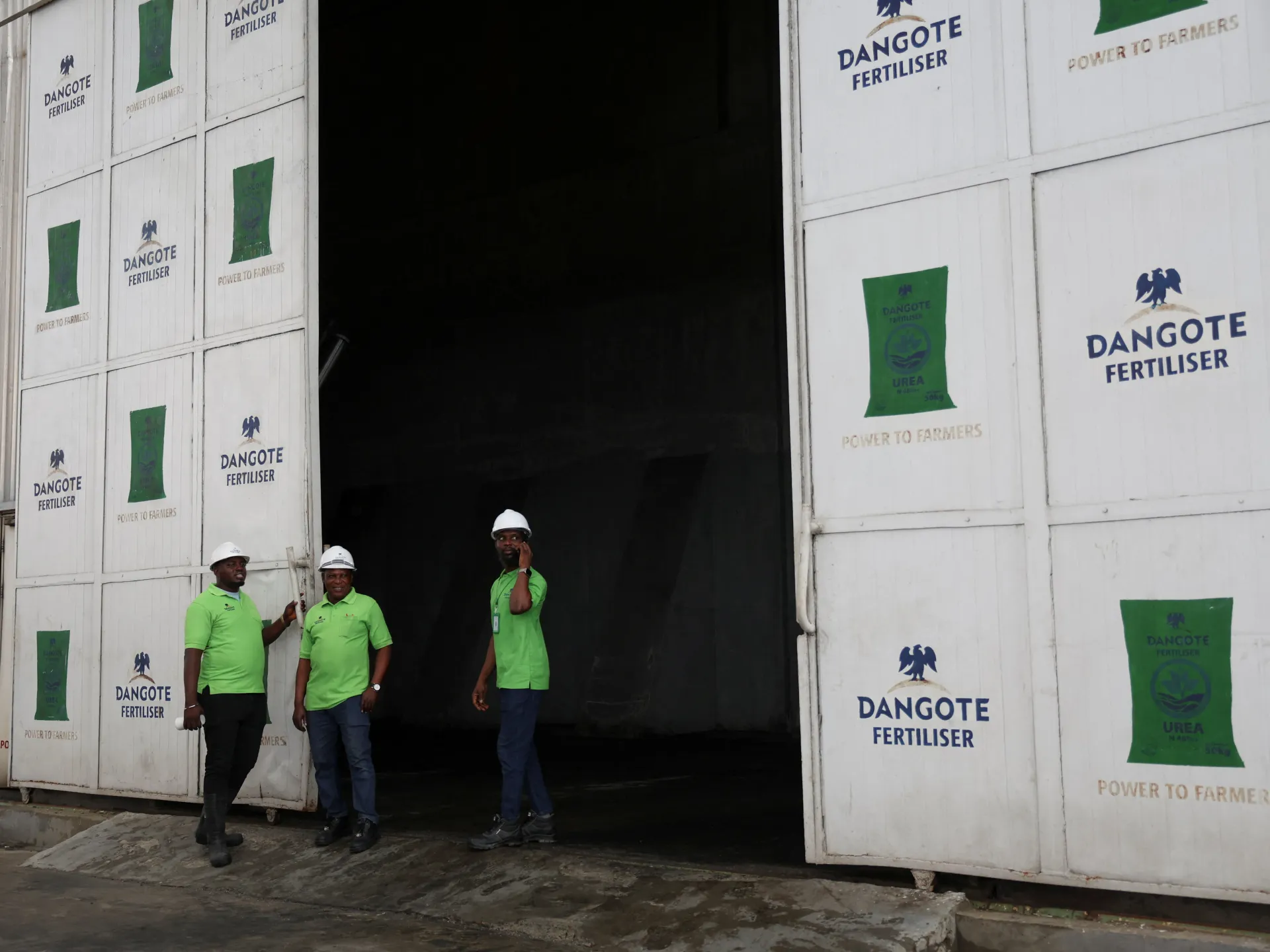
Tensions in the Strait of Hormuz stemming from a conflict between the United States, Israel and Iran are disrupting global fertiliser trade flows, posing a significant risk to harvests and food security across sub-Saharan Africa. Maritime standoffs have caused a drastic reduction in traffic through the strait, with only five ships transiting in the last 24 hours compared to a daily average of 129 before the conflict began. This blockage has driven up global fuel prices and forced governments to implement emergency energy-saving measures, creating a dangerous precedent for international trade.
The implications for the continent are severe, as approximately 80 per cent of fertiliser used in sub-Saharan Africa is imported, often at prices much higher than in Europe due to freight, financing and logistics costs. Fertiliser shipments passing through the Strait of Hormuz account for roughly one-quarter of global ammonia trade and more than a third of seaborne urea. Even the slightest perceived risk can drive up fertiliser prices, stall shipments and cause a seismic shift in food price inflation, leaving millions of African farmers without vital inputs such as ammonia, urea, phosphate and sulphur.
Smallholder farmers, who produce nearly 70 per cent of the region's food, are particularly vulnerable as they lack the cash reserves to secure supplies early and face steep price hikes. According to the Food and Agriculture Organization, even a 10 per cent reduction in fertiliser availability could result in up to 25 per cent less maize, rice and wheat grown in sub-Saharan Africa. This could trigger food inflation of up to 8 per cent on the continent, threatening the economic and social stability that is inextricably linked to food security.
To mitigate these risks, experts recommend five strategic actions for African policymakers. First, governments must strengthen market intelligence by utilising real-time tracking of trade flows and shipping routes to anticipate disruptions. Second, there is a need to coordinate regional procurement and buffer stocks to negotiate better prices and reduce the risk of export bans or freight spikes. Third, African states must urgently expand domestic and regional production capacity, leveraging partnerships with major producers like Morocco and Nigeria.
Fourth, policymakers must protect smallholder farmers from price spikes through well-targeted subsidies, digital voucher systems and expanded access to seasonal credit. Finally, the region must support the Africa Fertilizer and Soil Health Initiative, adopted in 2024, which outlines a 10-year action plan to reverse soil degradation and double cereal yields. The African Development Bank Group's $1.5bn African Emergency Food Production Facility is rolling out a second phase, shifting focus from immediate emergency relief to institutionalising long-term national food sovereignty.
The World Bank's AgriConnect programme, launched in late 2025, serves as a model for partnership approaches combining digital farming advice, credit access and climate-smart farming to help farmers navigate supply risks. As the 2026 planting season advances, Africa's ability to navigate fertiliser supply risks will depend on how quickly governments, regional organisations and private sector partners work together. When these entities align funding with fertiliser security priorities, the current crisis could transform into an opportunity to build Africa's long-term food and economic sovereignty.