Coordinated assaults on Bamako expose security fragility under Malian junta
Initial assessments from Saturday indicate fighting remains ongoing across multiple locations, with the Malian army describing the perpetrators as unidentified armed groups.
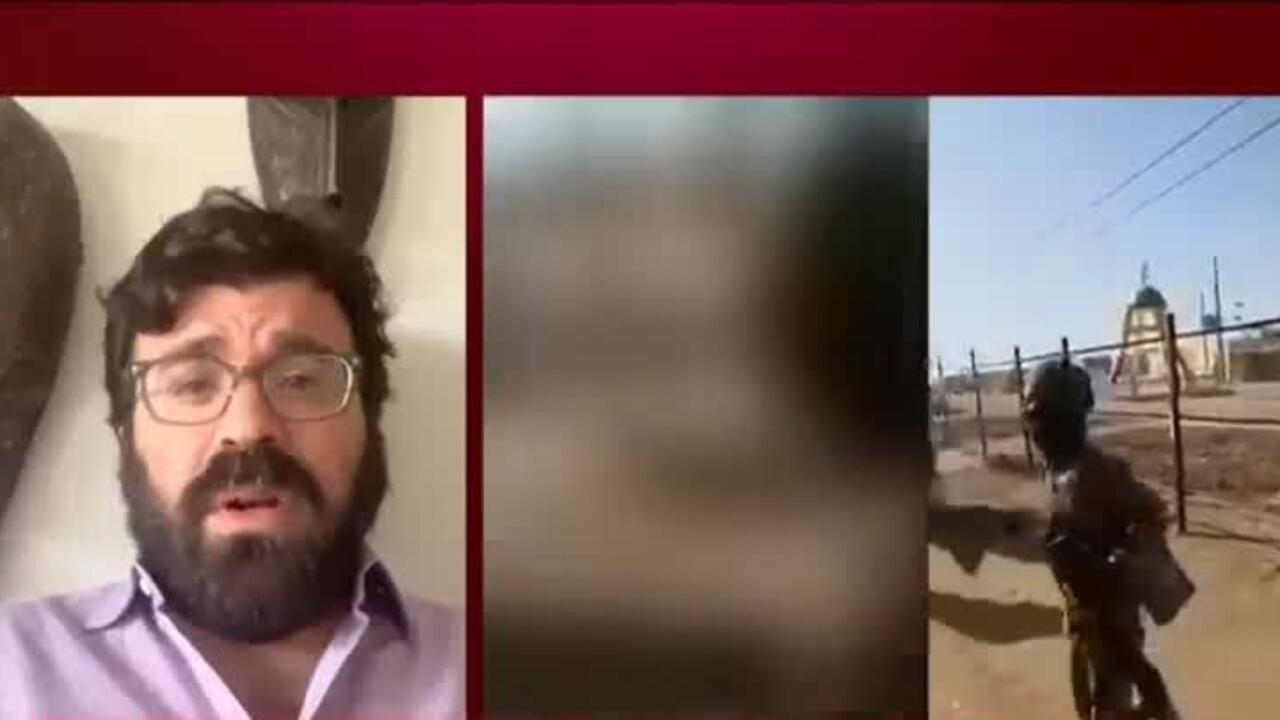
Coordinated violence has targeted military positions and critical infrastructure across Mali, with a focal point established at the Modibo Keïta International Airport in the capital, Bamako. Gunfire was explicitly reported at the air base, while sustained heavy weapons and automatic rifle fire echoed through surrounding neighbourhoods. The Malian army maintains that simultaneous attacks by gunmen are occurring both inside and outside Bamako, extending to locations including Kati, Gao, and Sevare.
Visual confirmation of the military response includes the observation of helicopters patrolling neighbourhoods in the vicinity of the airport. Despite these measures, the incidents highlight the fragility of the security situation in the country. Andrew Lebovich, a Research Fellow with Clingendael's Conflict Research Unit, has described the coordinated attacks on Bamako as a dramatic setback for the junta-led government. He noted that the events underscore how tenuous the security environment remains, with Malian authorities and their Russian partners struggling to prevent further attacks in and around the capital.
The scope of the unrest reflects the persistent challenges the military junta has faced from various armed factions. A divergence in terminology regarding the attackers complicates the narrative: the separatist group FLA identifies itself as a separatist entity, whereas the Malian army classifies the perpetrators as terrorist organisations. At the time of initial assessments released on Saturday, 25 April 2026, the Malian army referred to the assailants only as unidentified armed groups, leaving the specific identity of the perpetrators unconfirmed.
Fighting was reported as ongoing at the time of the initial assessments, indicating that the situation remains live and details are still emerging. The precise timeline of the conflict beyond the initial Saturday report is unclear, and the full extent of the damage and casualties resulting from the attacks is not yet available. As the violence continues to impact military positions and critical infrastructure, the capacity of the state to secure its territory remains a subject of intense scrutiny.