International air services return to Tehran as US-Iran ceasefire stabilises
The resumption of flights is contingent on the continued validity of the diplomatic pause between Washington and Tehran
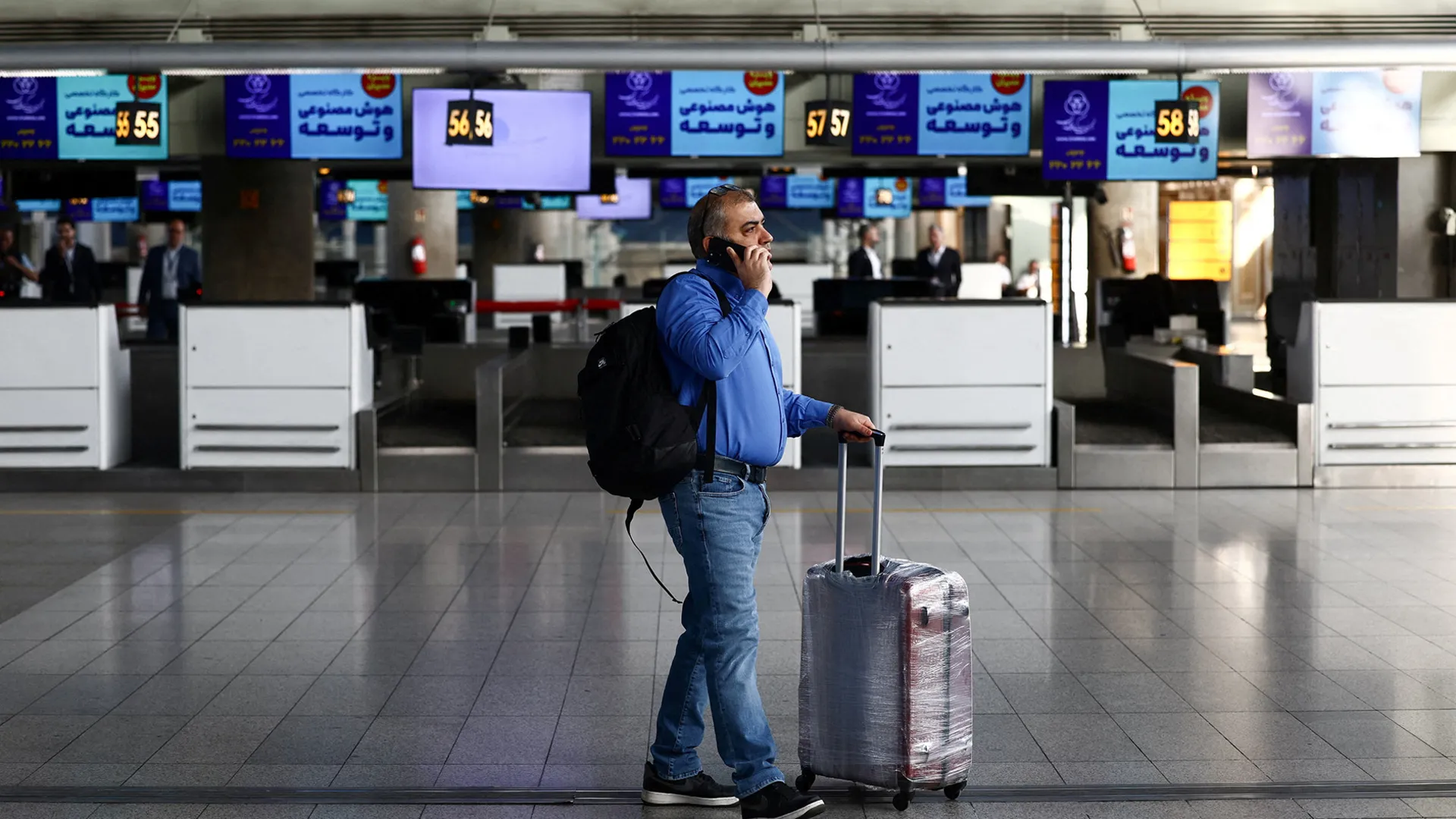
International aviation services have officially resumed at Tehran's Imam Khomeini International Airport, ending a period of several weeks marked by significant operational disruption. The restoration of these routes coincides with the current stability of the ceasefire agreement between the United States and Iran, which has allowed the airport to transition from a state of war-related suspension back to normal function.
The return of international traffic underscores the direct correlation between the status of the diplomatic ceasefire and the operational capacity of the airport. While the facility has been subject to severe constraints due to the active conflict, the maintenance of the non-hostility arrangement has provided the necessary conditions for airlines to restart their scheduled services. This development signals a temporary de-escalation in the immediate security environment surrounding the capital.
However, the resumption of flights should be viewed strictly as a function of the existing ceasefire holding, rather than an indication of a permanent resolution to the underlying conflict. The term "ceasefire holds" describes a temporary state of non-hostility that is subject to change, meaning the airport's operational status remains conditional on the continued stability of the agreement between the two nations.
The duration of the preceding disruption is noted as several weeks, though specific dates regarding the initial closure or the precise moment of resumption are not detailed in the available reporting. Without granular data on the timeline of the suspension, the exact length of the operational gap remains a general estimate based on the current news cycle.
Despite the reopening of the terminal to international carriers, the extent of remaining security risks at the airport has not been fully quantified in the source material. The report confirms the resumption of services but does not provide specific figures on the number of flights operating or the identities of the airlines involved, leaving the scale of the recovery somewhat undefined.
As the airport reverts to international operations, the focus remains on the fragility of the current diplomatic arrangement. Any breakdown in the ceasefire agreement could immediately precipitate a return to the previous conditions of disruption, highlighting the precarious nature of the current security posture in the region.