Administration attendance marks historic shift at White House Correspondents' Dinner
Professional organisations urge attendees to address systematic assaults on press freedom in open letter
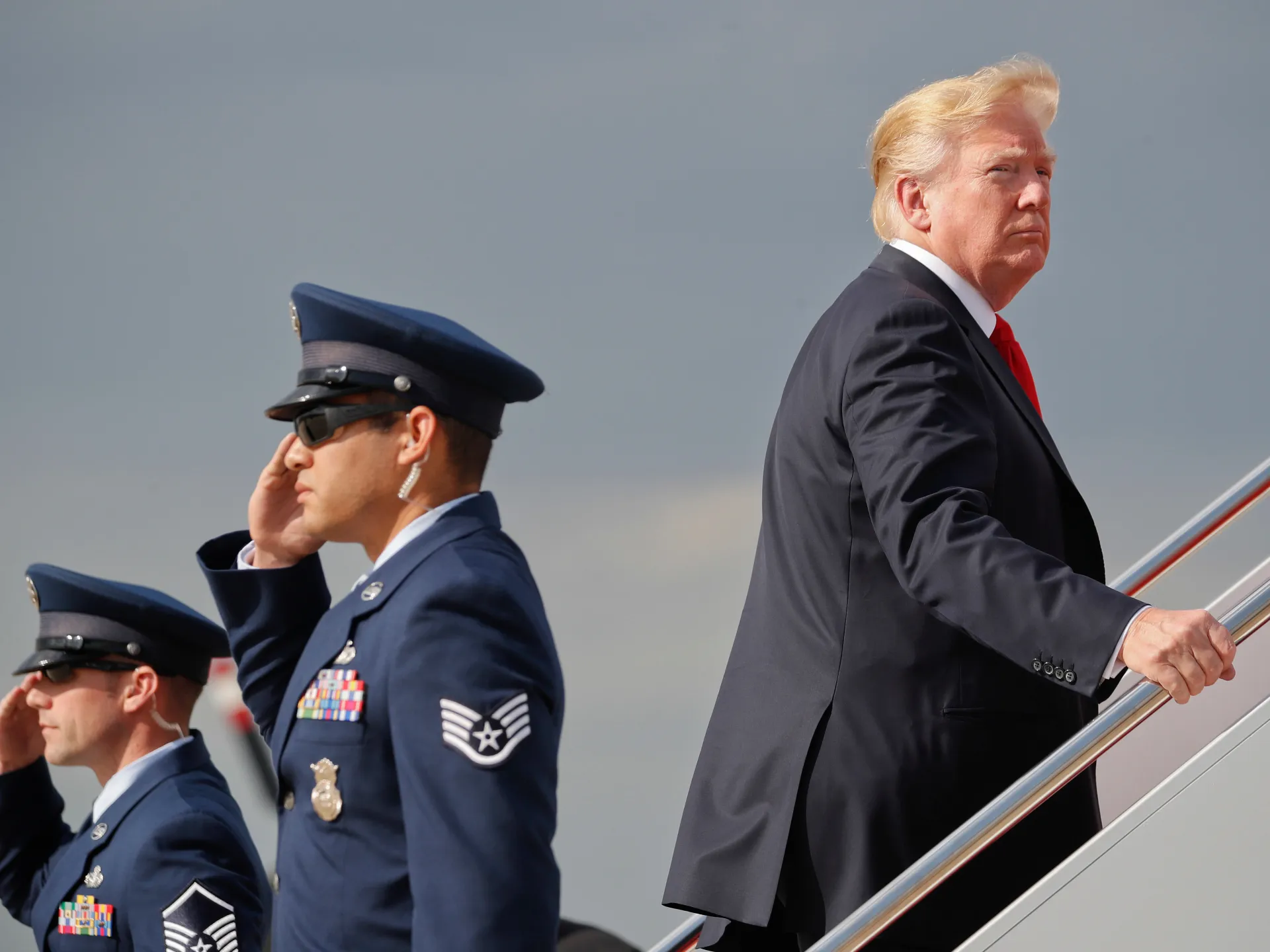
President Donald Trump has attended his first White House Correspondents' Dinner as president, ending a historic streak of avoidance that characterised his previous terms. The event, held in Washington, DC, marks a significant departure from recent tradition, with the White House Correspondents' Association removing the longstanding comedian slot following tensions with the administration. Instead of a stand-up performer, mentalist Oz Pearlman is scheduled to take the stage for the 2026 gala.
Despite the President's presence, which signals a willingness to engage with the press corps on their own terms, the atmosphere remains charged. Professional organisations and journalists have issued an open letter calling on attendees to speak forcefully against actions they describe as a systematic assault on press freedom. The coalition, which includes the Society of Professional Journalists, the Freedom of the Press Foundation, and The National Association of Black Journalists, emphasised that freedom of the press is not a partisan issue and must not be normalised.
The letter details specific allegations of hostility directed at the media, including the limiting of press pools, Federal Communications Commission threats against broadcasters, and immigration enforcement actions targeting non-citizen journalists. Furthermore, the correspondence cites an FBI raid on a Washington Post reporter's home as evidence of the administration's broader strategy. These claims stand in direct contrast to the administration's public stance.
White House spokesperson Karoline Leavitt has firmly rejected these allegations, characterising the President as the most transparent in US history. The administration highlights the President's engagement in spur-of-the-moment phone interviews and regular media events as proof of open access to information. This rhetorical defence underscores the deep institutional divide between the White House and the press corps regarding the nature of their relationship.
In a tangible display of solidarity, some attendees plan to wear pocket handkerchiefs or lapel pins bearing the words "First Amendment" during the dinner. This gesture references the constitutional protections for speech and press that the open letter argues are under threat. The decision to forgo a comedian, a mainstay of the event since the early 1980s, reflects the White House Correspondents' Association's desire to avoid the politics of division while still hosting the President.
The event continues a decades-long tradition dating back to 1921, yet the dynamic has shifted significantly since the administration took office. While the President's attendance breaks the norm of refusal established during his first term, the removal of the comedic element and the subsequent calls for accountability suggest the dinner will serve as a platform for institutional critique rather than traditional celebration.