US House passes sweeping Russia sanctions bill targeting oil buyers
The new legislation grants the President authority to impose tariffs of up to 100 per cent on top purchasers of Russian energy, a move that complicates energy security for China and India amid ongoing supply disruptions.
The United States House of Representatives has passed the “Lindsey O Graham Sanctioning Russia Act of 2026,” a bipartisan measure designed to intensify economic pressure on Moscow during the fifth year of the war in Ukraine. The bill, which was passed on Wednesday and sent to President Donald Trump for signature, grants the executive sweeping authority to impose sanctions on Russian crude exports and tariffs of up to 100 per cent on the top five purchasers of Russian energy, military equipment, or countries facilitating sanctions evasion.
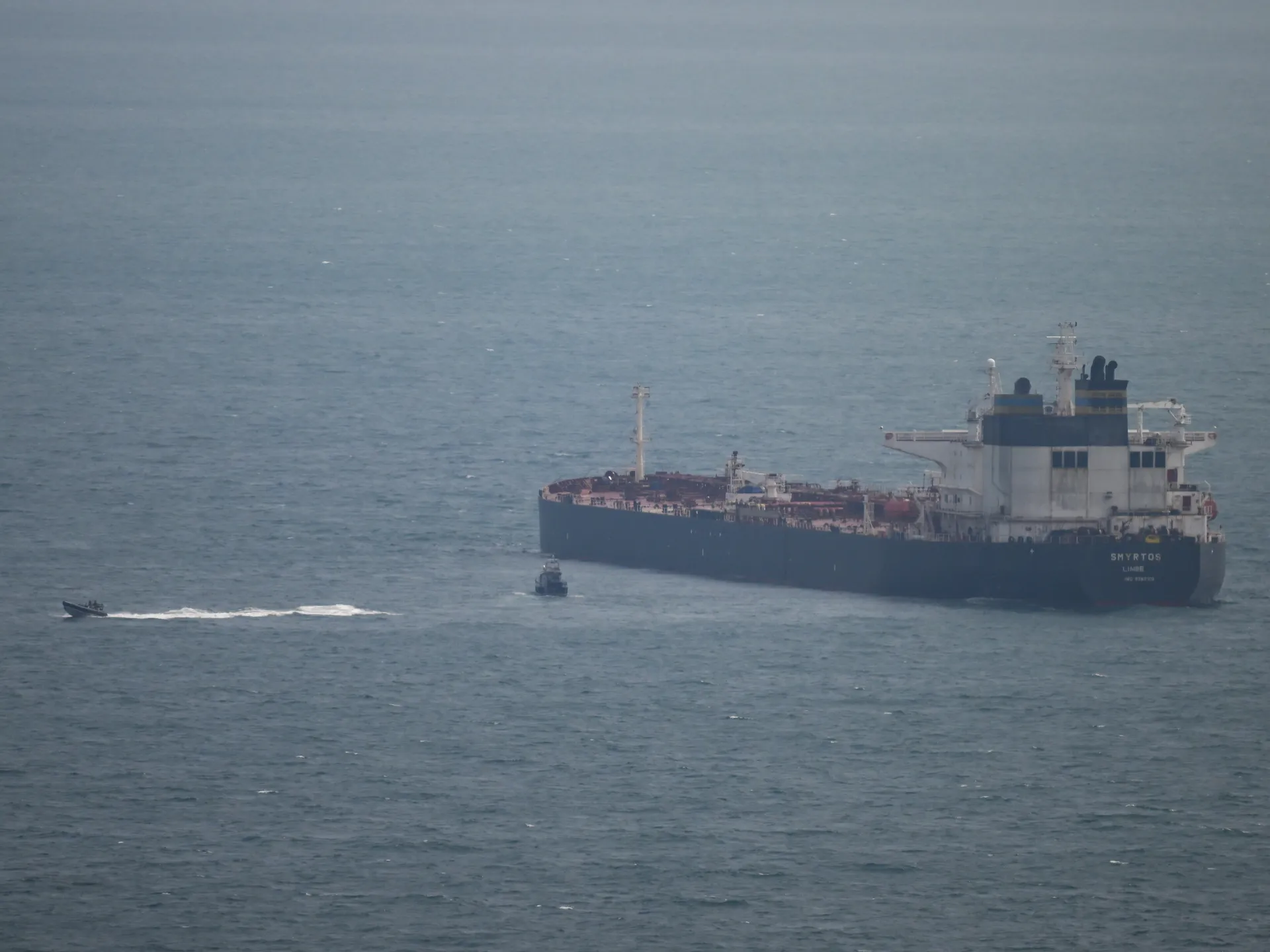
Named after the late Senator Lindsey O Graham, who died in July, the legislation targets Russia’s “shadow fleet” of oil tankers and its defence industry. It also authorises new sanctions on Russian President Vladimir Putin, more than 20 top officials, and companies working with the Russian defence sector. Additionally, the bill permits tariffs of up to 500 per cent on Russian imports directly into the United States, a significant lever given that the US imported $3.8 billion in goods from Russia in 2025.
The timing of the bill is critical for Asian energy markets. According to August data from the Centre for Research on Energy and Clean Air (CREA), China buys approximately half of Russian crude oil exports, while India accounts for 37 per cent. Turkiye and the European Union each import about five per cent. With the US market as a key economic partner, both China and India face the prospect of steep trade penalties if they continue to purchase Russian energy.
India, whose dependence on foreign oil is expected to grow, has stated it will take all necessary measures to protect its trade and economic interests. The Indian Ministry of External Affairs noted that New Delhi had clearly articulated the potential implications for the bilateral relationship and the international energy market. India’s imports of Russian crude had already fallen to 1.1 million barrels per day in January, the lowest level since November 2022, while Russian deliveries to China surged to an all-time high.
China has criticised the move as an exercise in extraterritorial jurisdiction, arguing it lacks a basis in international law and United Nations Security Council authorisation. A spokesperson for the Chinese Ministry of Foreign Affairs stated that Beijing’s economic cooperation with other nations is not subject to interference or coercion by third parties. However, China retains a logistical advantage, as it receives crude through the Eastern Siberia-Pacific Ocean pipeline system, an overland route unaffected by maritime disruptions.
The legislative timing complicates energy security for Asian buyers due to ongoing disruptions in the Strait of Hormuz, where Iran has de facto controlled traffic since late February. Furthermore, Saudi Arabia temporarily shut down its East-West pipeline following a drone attack last week. With about one-fifth of global oil supplies previously shipped through the Strait of Hormuz, the International Energy Agency has warned that India’s rising reliance on crude imports has major implications for its energy security.
Analysts suggest the challenge for Washington is how aggressively President Trump will use his new powers. The legislation does not automatically trigger tariffs, but attempting to squeeze large volumes of Russian crude out of the market could prove difficult when alternate supplies are already under severe pressure. If major importers are forced to compete for barrels elsewhere in an already tight market, global oil prices could rise sharply.