Kosovo Specialist Chambers convict four KLA leaders in landmark war crimes ruling
The Hague tribunal has sentenced former Kosovo leaders to a combined 81 years in prison, a verdict that Serbian President Aleksandar Vucic has criticised as incomplete and politically motivated.
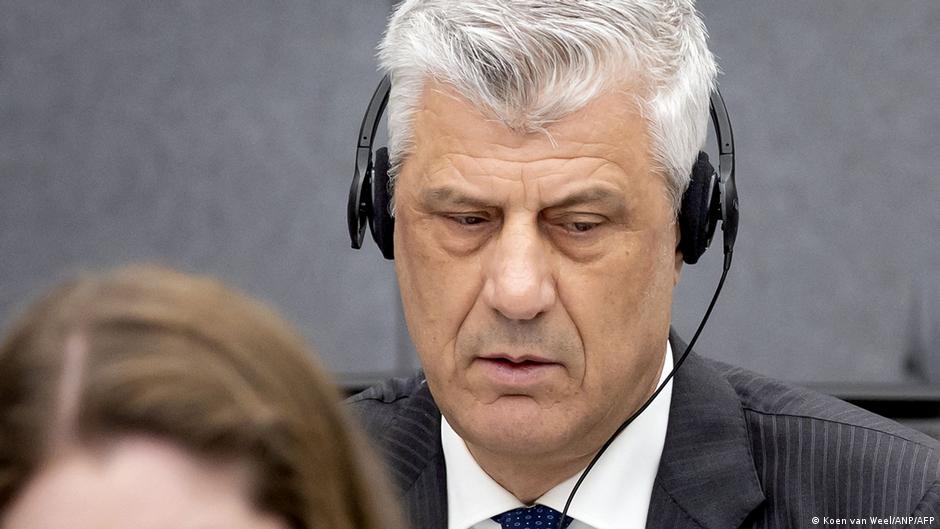
The Kosovo Specialist Chambers in The Hague have delivered a significant verdict in the long-running case against four former leaders of the Kosovo Liberation Army (KLA). The court convicted former President Hashim Thaci, Kadri Veseli, Rexhep Selimi, and Jakup Krasniqi of war crimes committed during the 1998–99 conflict. The men were sentenced at first instance to a combined 81 years in prison, with Thaci and Krasniqi receiving 25 years each, Veseli 18 years, and Selimi 13 years.
The convictions cover the arbitrary detention of 385 individuals, the cruel treatment of 49, the torture of 303, and the murder of 96 civilians. However, the court acquitted the leaders of crimes against humanity, ruling that it had not been proven that a widespread or systematic attack was directed against the civilian population. This legal distinction has become the central point of contention in the political fallout from the decision.
Serbian President Aleksandar Vucic criticised the ruling at a press conference, arguing that the court failed to address the merits of the matter concerning the formation of forces aimed at seceding Kosovo from Serbia. Vucic contended that the verdict did not cover crimes committed against Serbs after June 20, 1999, when the NATO-led KFOR peacekeeping mission arrived in Kosovo. He suggested that the court, which is part of Kosovo's judicial system but staffed by international judges, sought to preserve the credibility of the KLA.
The verdict has also triggered diplomatic friction across the region. Vucic reacted sharply to Kosovo Prime Minister Albin Kurti, who described the ruling as an "unacceptable injustice," drawing a parallel to European condemnation of the funeral of former Bosnian Serb commander Ratko Mladic. Vucic also responded to a statement from Croatia's Ministry of Foreign and European Affairs, claiming that regional statements consistently portray Serbs as perpetrators rather than victims.
Legal experts have offered a more institutional perspective on the outcome. Serbian lawyer Aleksandar Olenik noted that the judgment represents progress in international criminal law, particularly regarding the rights of victims to legal representation and compensation. Olenik clarified that under Kosovo law, only KLA founders are subject to prosecution before the Specialist Chambers, meaning other members found to have committed offences will fall under domestic jurisdiction.
Stasa Zajovic of the Belgrade-based NGO Women in Black warned that both Serbian and Kosovo authorities may use the judgments to heighten potential conflict rather than examine their own responsibilities. While she acknowledged the scale of atrocities committed by the Serbian regime, she emphasised the importance of international forces monitoring the situation to prevent the war from continuing by other means.