US Doctrine Underpins Lebanese Army's Structural Weakness Amid Escalating Conflict
One month after "Black Wednesday", reports indicate the US legal requirement to ensure Israel maintains a qualitative military edge has kept the Lebanese army under-equipped, despite international calls for disarmament of the militia group.
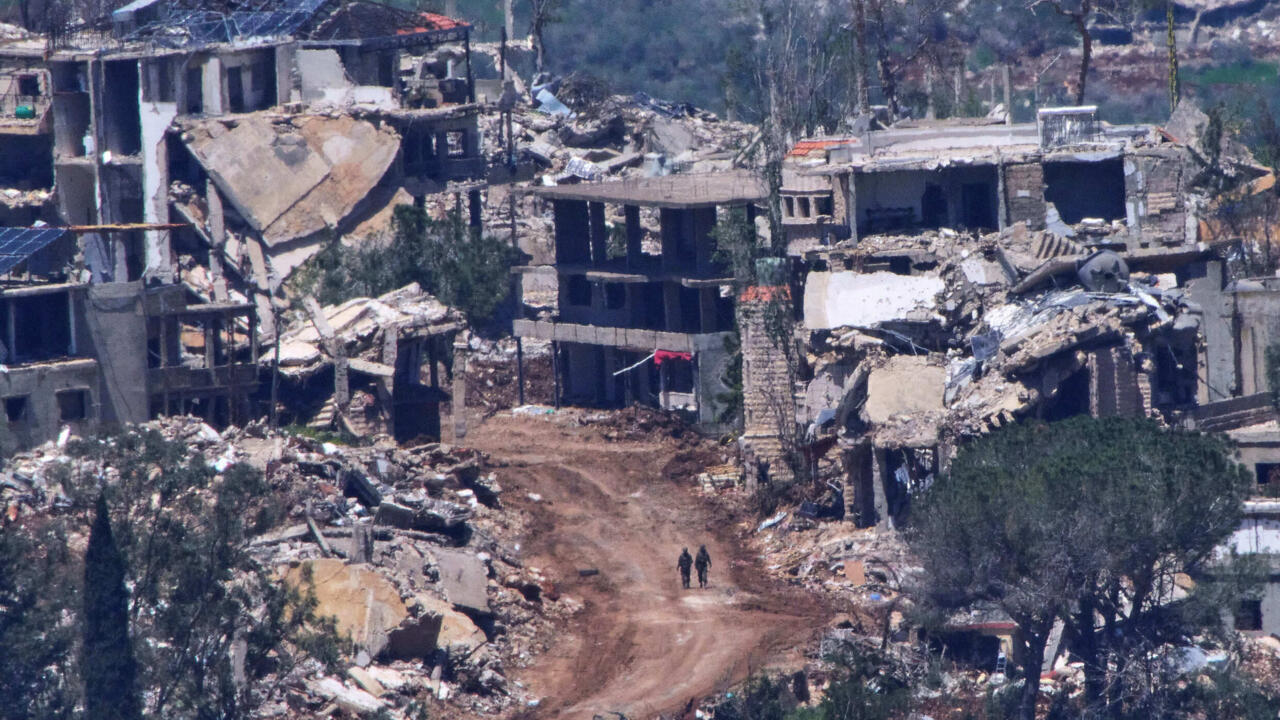
Exactly one month after "Black Wednesday", a day of massive Israeli strikes that killed 361 people, the Lebanese army remains significantly weaker than Hezbollah. While the international community continues to call on the Lebanese forces to disarm the militia group, US policy and diplomatic statements suggest Washington does not intend to arm the Lebanese military. Consequently, the state forces are unable to effectively defend Lebanese sovereignty against Israeli incursions or the militia group.
Reports indicate that the US legal requirement to ensure Israel maintains a qualitative military edge has prevented the Lebanese army from receiving adequate funding and equipment. This legal imperative, enshrined in US law in 2008 under the Naval Transfer Act, mandates that arms exports to other Middle Eastern countries must not adversely affect Israel's military superiority. Experts argue this structural principle explains why military aid to Lebanon has rarely crossed established ceilings, leaving the armed forces under-prepared.
The disparity in capability is stark. The Lebanese army currently ranks 118th out of 145 countries in the 2026 Global Firepower index, possessing a negligible navy and an air force described by locals as consisting mainly of Cessna helicopters. In contrast, Hezbollah has amassed considerable firepower and extensive combat experience, particularly during the Syrian civil war, allowing it to resist Israeli occupation and maintain significant influence within Lebanese politics.
Former US envoy Tom Barrack publicly acknowledged that Washington does not intend to arm the Lebanese army, stating, "We don't want to arm them… so they can fight Israel? I don't think so." Barrack noted that arming the state forces could lead to civil strife, a fear that persists more than three decades after the end of the Lebanese civil war. This stance contrasts with official agreements and US State Department briefings that recognise the Lebanese security forces as having exclusive responsibility for Lebanon's sovereignty.
Despite diplomatic calls from France and the US to strengthen the Lebanese army, a Paris summit scheduled in April to discuss support was cancelled due to the Iran crisis. France, Lebanon's former colonial power, has repeatedly issued statements advocating the strengthening of the country's security forces and called to step up support for the Lebanese Armed Forces. However, the gap between these diplomatic pronouncements and the reality on the ground has widened as the conflict continues.
Since the re-eruption of fighting in March 2026, over 2,700 people have been killed and more than a million displaced. Israel has established a self-declared buffer zone up to 10 km deep in southern Lebanon, while the Lebanese army is torn between international demands to disarm Hezbollah and the lack of resources required to perform that role. As one local filmmaker noted, the situation presents a mission impossible where the army is asked to obey decisions of the Israeli army without the necessary means to do so.