US Court of International Trade Declares Trump Administration's 10% Global Tariff Policy Unlawful
The decision marks another significant legal setback for the administration's trade strategy, effectively blocking the enforcement of the temporary tariff regime.
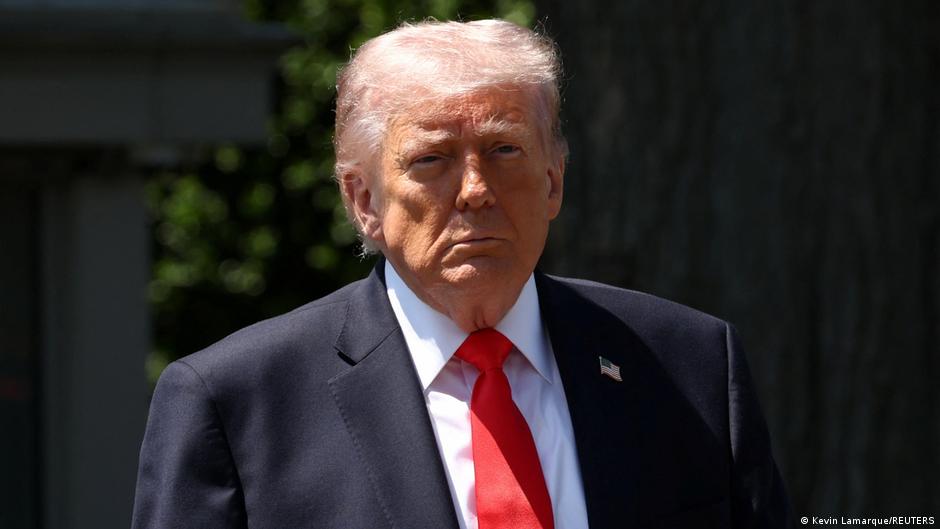
A US federal trade court has ruled that President Donald Trump exceeded his legal authority by invoking Section 122 of the Trade Act 1974 to impose a 10 per cent global tariff policy. In a 2-1 decision delivered by the US Court of International Trade, the panel determined that the administration lacked the necessary justification to enact the temporary duties introduced in February.
The ruling specifically targets the statutory basis used for the imposition of these tariffs, declaring the measure unlawful. Consequently, the decision effectively nullifies the enforcement of the tariff regime as originally designed, removing the legal framework required to maintain the levies. Among the nations explicitly named in the invalidated measure was Japan, highlighting the broad scope of the affected trade relations.
This outcome represents a significant legal defeat for the administration's broader trade strategy, following a prior Supreme Court strike-down of double-digit tariffs attempted in 2025. The current ruling relies on a previous determination by the Supreme Court regarding the International Emergency Economic Powers Act, suggesting that the administration's reliance on the Trade Act 1974 was insufficient to support the national emergency claims made in February.
The US Court of International Trade is the specific judicial body responsible for adjudicating trade law rulings of this nature. While the court has definitively blocked the current enforcement mechanism, the full extent of affected parties beyond the explicit mention of Japan and broad regional categorisations has not been detailed in the available reporting.
As the legal proceedings continue, the specific procedural steps for the administration to respond to or appeal this 2-1 ruling are not yet outlined. The ruling underscores the necessity for precise legal grounding in trade policy, as the court found the invocation of emergency powers inadequate without further justification.