Ceasefire Fragility Tested as Strait of Hormuz Clashes Spark Mutual Accusations
A late-night exchange of fire has strained a fragile ceasefire established in April, with both Washington and Tehran blaming the other for breaching the agreement while diplomatic mediation stalls.
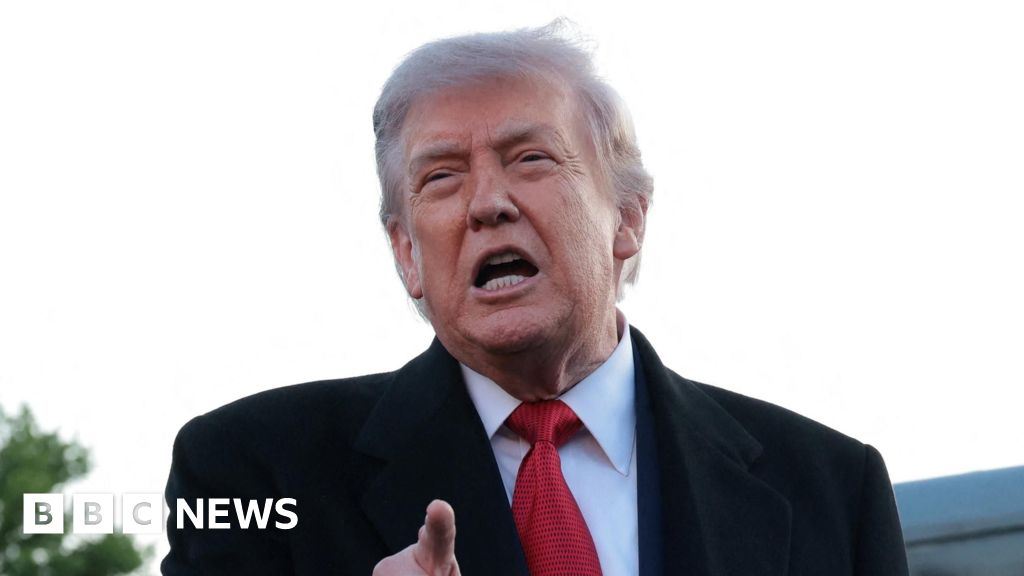
President Donald Trump has declared that the ceasefire between the United States and Iran remains in effect following a late-night exchange of fire in the Strait of Hormuz. This assertion comes as tensions mount over conflicting accounts of the engagement, with the US maintaining the truce is active despite Iran's formal accusation that the agreement has been violated. The incident occurred late on Thursday night, leaving it currently unclear which side initiated the hostilities.
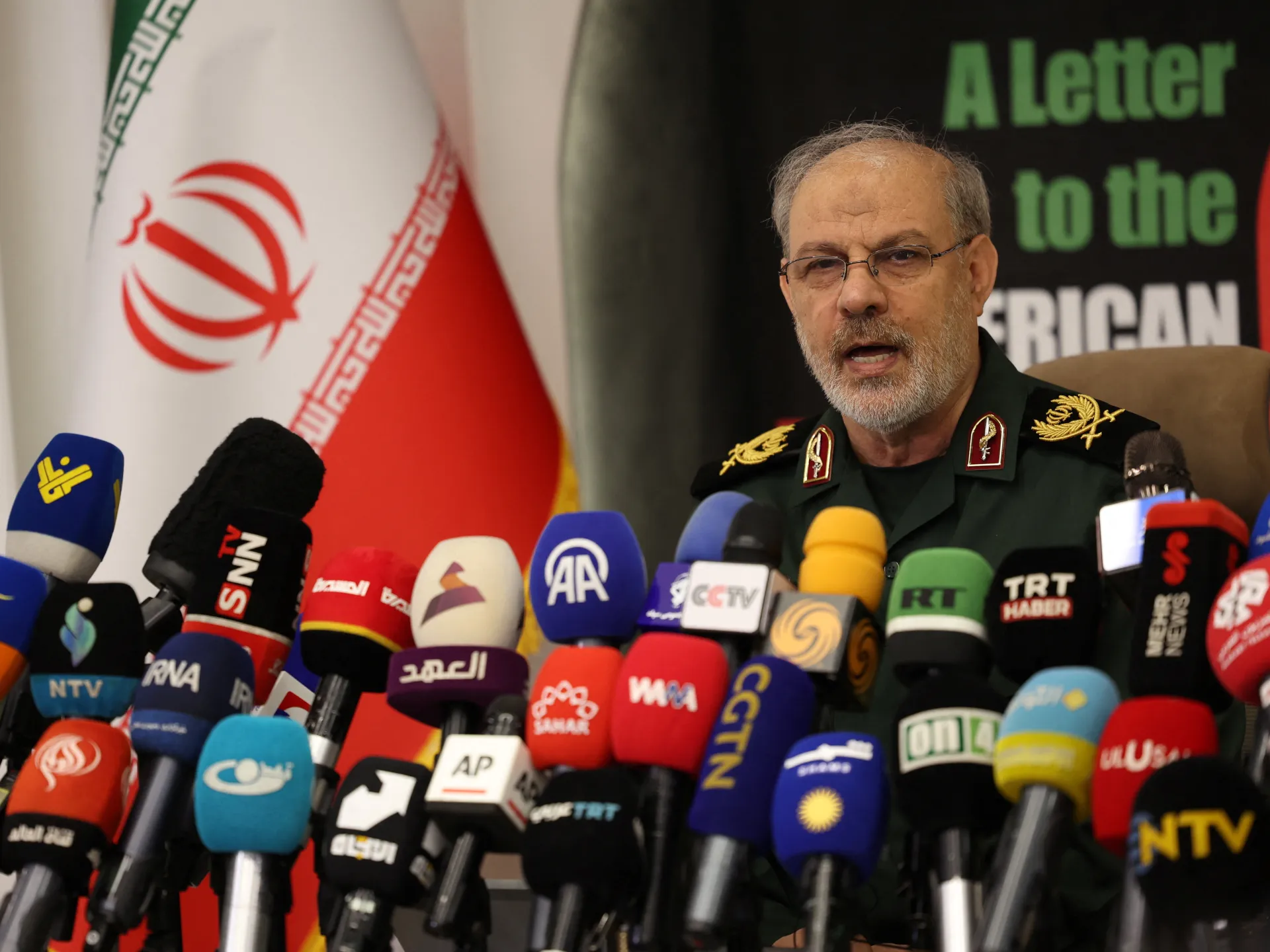
Iran's top military command has alleged that US forces targeted an oil tanker and another vessel approaching the strategic waterway. Tehran further claims US aerial attacks struck coastal areas including Bandar Khamir, Sirik, and Qeshm Island. In response, the US Central Command (Centcom) described the Iranian offensive as unprovoked, noting that Iranian forces launched multiple missiles, drones, and small boats against three US Navy guided-missile destroyers transiting the strait.
Centcom stated it responded with self-defence strikes to eliminate inbound threats and targeted Iranian military facilities responsible for the attacks. These strikes reportedly included missile and drone launch sites, command and control locations, and intelligence, surveillance, and reconnaissance nodes. While Centcom emphasises that it does not seek escalation, the statement confirms the force remains positioned and ready to protect American forces.
President Trump characterised the events as Iran trifling with the United States, noting on Truth Social that the US had destroyed multiple small boats. He warned that if a peace deal is not signed quickly, future retaliation will be significantly harder and more violent. This rhetoric underscores the high stakes of the current diplomatic impasse, where both nations have threatened further escalation unless their respective conditions for a peace deal are met.
Diplomatic efforts to resolve the conflict remain stalled despite ongoing mediation by Pakistan. While an Iranian foreign ministry spokesman indicated Tehran was considering a US proposal to end the war, a senior member of Iran's parliament dismissed the US 14-point memorandum of understanding as a wish list. An Israeli source confirmed to the BBC that there was no Israeli involvement in the latest attacks, though the core dispute remains centred on Iran's nuclear programme, which continues to be a key sticking point.
The fragility of the ceasefire, originally established on 8 April, is now under severe strain as mutual accusations of breach threaten regional stability. Both sides have reiterated that violence will intensify if their demands are not satisfied, leaving the status of the truce dependent on a resolution that neither side currently appears willing to offer without concessions.