Stranded crews face indefinite limbo as Hormuz blockade persists despite ceasefire talks
Maritime traffic remains at a standstill amid mine threats and military boarding operations, creating a humanitarian crisis for civilian crews
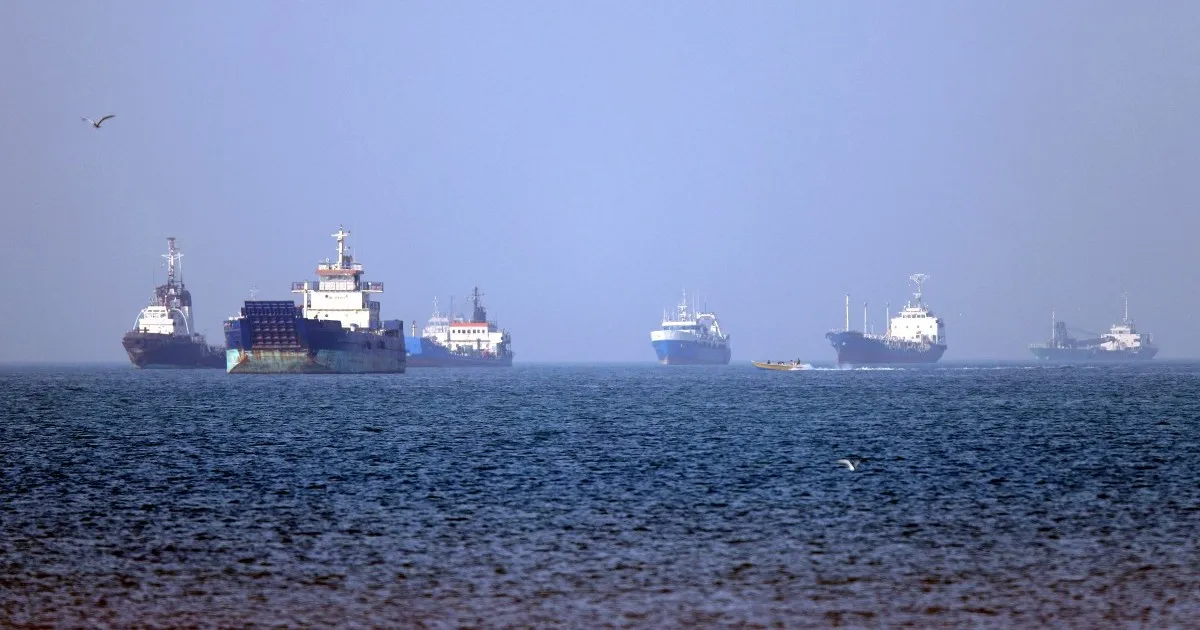
Approximately 20,000 seafarers remain stranded in the Gulf following the effective closure of the Strait of Hormuz. Although a tenuous ceasefire was announced between the United States and Iran on 7 April, maritime traffic continues to face a standstill due to recurrent attacks, mine threats, and port blockades. The lack of a safe exit route and the persistent risk of vessel abandonment have created a severe humanitarian crisis for the civilian crews manning the region's massive fleet.
Individual accounts from the waterway highlight the deteriorating conditions on board. An Indian seafarer, speaking on condition of anonymity, reported being stranded at an Iranian port for nearly 10 weeks since late February. He described a diet of basic vegetables and flatbread, noting that while some crew members have returned home via Iran's land border, many others remain because their agents have not released their salaries. Crew members report subsisting on limited food supplies and living in fear of military boarding operations.
The operational environment remains hazardous despite diplomatic overtures. US President Donald Trump announced on Wednesday that peace talks with Tehran were "very good" and a deal was "very possible," yet he subsequently suspended an operation to guide ships out of the strait less than 48 hours later to pursue these talks. This suspension underscores the disconnect between diplomatic optimism and the reality of active hostilities, with maritime traffic halted by recurrent attacks and mutual accusations.
Labour groups describe the current military boarding of ships as creating an "enhanced state of fear," with tactics compared to the 17th century. Stephen Cotton of the International Transport Workers' Federation noted that these actions are terrifying for workers who are simply trying to complete their contracts. While seafarers on vessels operated by major international shipping lines have received hazard pay, those working with smaller operations often struggle to meet basic needs or receive wages, according to advocates.
The physical security of the strait remains a critical bottleneck for any potential resolution. Scott Savitz of the Rand Corporation stated that while an exit corridor could be established in days, clearing the strait of reported Iranian sea mines could take weeks or months. US officials have acknowledged that Tehran laid mines haphazardly and are unable to locate all of them, meaning uncertainty about risk remains central to the situation.
Casualties continue to mount as the conflict drags on. The International Maritime Organization estimates at least 10 seafarers have been killed since the start of the war, while Iran's merchant marine union reported at least 44 Iranian seafarers killed as of 1 April. With the prospect of being detained on top of being stranded at sea, the situation has created a volatile environment where ship operators may abandon vessels without settling outstanding pay, leaving crews in a state of prolonged uncertainty.