US and Iran exchange strikes as Gulf tensions escalate and oil prices surge
President Donald Trump’s plan to seize Iranian funds to cover Strait of Hormuz damages draws sharp condemnation from Tehran, while crude oil climbs past $100 a barrel amid renewed regional hostilities.
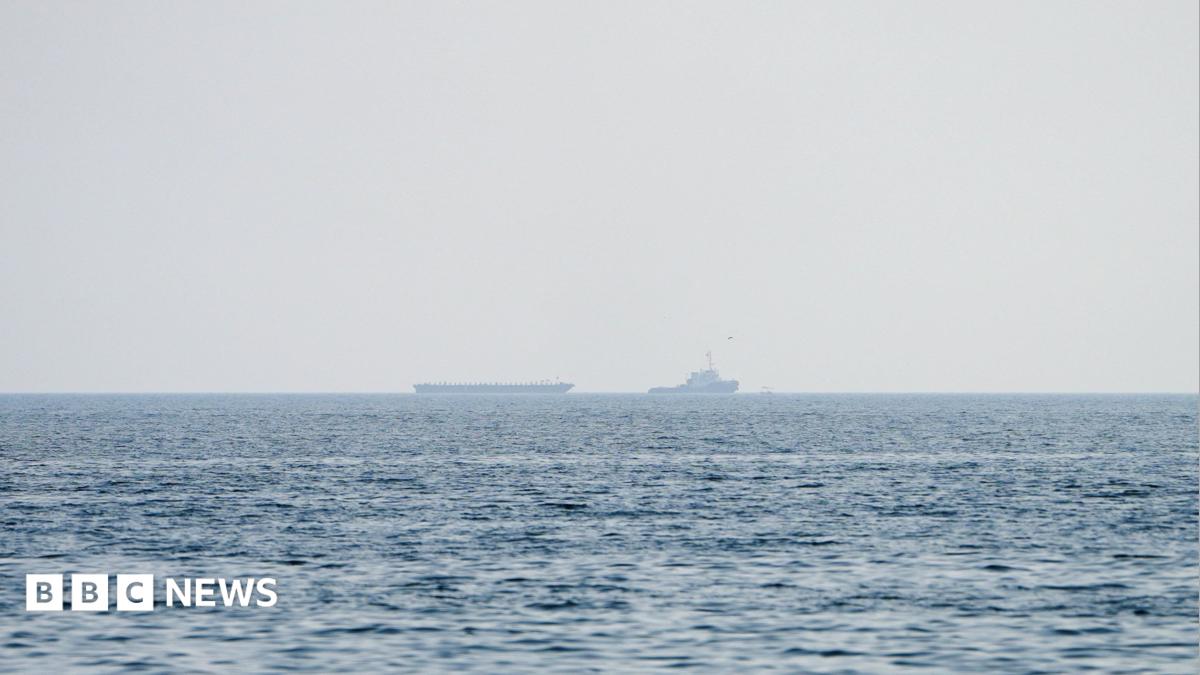
The United States and Iran have engaged in a fresh round of military exchanges across the Gulf region, marking a significant deterioration in relations following the collapse of a recent ceasefire agreement. Iranian state media reported that drone strikes were carried out against US military facilities and bases throughout the Middle East, retaliating for thirteen consecutive nights of American attacks. Explosions were reported along Iran’s Gulf coast as well as in its western, northern, and central regions.
The violence resulted in four deaths and five injuries in an attack in south-west Iran, according to Iranian state media. Tehran also announced strikes on US-allied Kuwait, while air sirens sounded in Bahrain and Jordan. At Iraq’s Erbil International Airport, flights were temporarily suspended following a reported drone crash, though services have since resumed.
In a parallel escalation, US President Donald Trump announced that damages to ships and cargo in the Strait of Hormuz would be covered by "Iranian Money that the United States has in its possession, and controls." Speaking on his Truth Social platform, Trump described the seizure of these frozen assets as "fair and equitable," despite the potential for substantial costs.
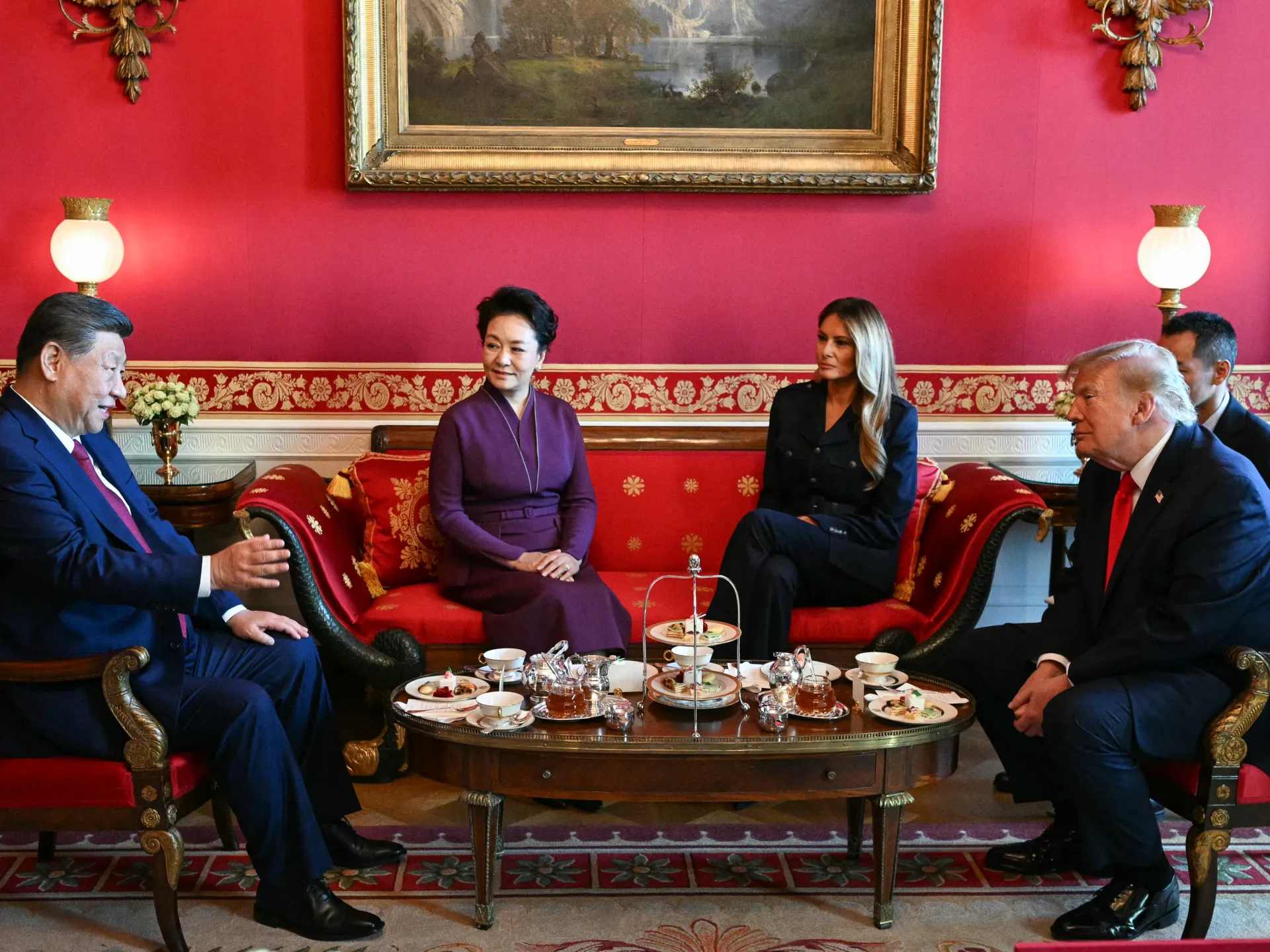
Iranian Foreign Minister Abbas Araghchi strongly condemned the move, warning that seizing another country’s assets to pay for unrelated future claims sets an "incendiary precedent." He cautioned that the ensuing chaos would not be "pretty or peaceful," highlighting the diplomatic rift as tensions rise ahead of scheduled meetings between Trump, Israeli Prime Minister Benjamin Netanyahu, and Ukrainian President Volodymyr Zelensky at the White House.
The breakdown of security comes just weeks after the US and Iran agreed to a 14-point Memorandum of Understanding in June, which aimed to halt military operations and reopen the Strait of Hormuz. However, Trump declared the ceasefire over after Iranian attacks on ships in the strait, leading to US strikes in response. Point 11 of the original agreement had stipulated that the US would make fully available for use the frozen or restricted funds of the Islamic Republic of Iran.
Meanwhile, US Central Command stated it conducted strikes to degrade Iran’s ability to threaten civilian shipping, targeting military command centers, drone storage facilities, and communication networks. Trump has also vowed "major military punishment" against Iran for attacks by Iran-backed Houthis in the Red Sea, telling Axios he is considering restarting major combat operations with strikes "bigger than ever before."
The instability has had immediate economic repercussions, with crude oil prices rising above $100 (£74.96) a barrel, the highest level since May. This surge is attributed to ongoing threats to shipping in the Red Sea by the Houthis, compounding the risks posed by the renewed conflict in the Gulf.