US and Iran escalate reciprocal strikes as Strait of Hormuz closure triggers global energy shock
Reciprocal military operations across the Middle East have intensified, with Iranian forces targeting US bases in Bahrain, Jordan, and Kuwait, while American aircraft strike sites within Iran. The resulting shutdown of the Strait of Hormuz has sent fuel prices soaring, compounding regional instability.
The United States and Iran escalated their military conflict on Friday through a series of reciprocal strikes that have effectively closed the Strait of Hormuz and triggered a sharp rise in global fuel prices. Iran’s military announced it had targeted US military assets and bases in Bahrain, Jordan, and Kuwait, citing retaliation for ongoing US bombardment of Iranian sites. In response, the US struck a Revolutionary Guard naval base in northern Iran, alongside targets on Qeshm Island and in the provinces of Isfahan and Khuzestan.
US embassies in the region have begun alerting American nationals that options to leave may become increasingly limited as security deteriorates. Iran’s Revolutionary Guard has similarly advised residents of neighbouring countries to avoid bases housing US troops. Ali Abdollahi, head of Iran’s Khatam al-Anbiya central military command, issued a stark warning to US personnel, stating that Iran had “prepared free, one-way tickets to hell” for them, linking the safety of American service members to Iranian casualties.
In Bahrain, Iran’s Revolutionary Guards claimed to have targeted an Amazon data centre, a claim neither the tech giant nor Bahraini authorities have confirmed. An AFP journalist in Manama reported hearing an explosion and warning sirens, though the link to Iranian claims was not immediately established. Bahrain later stated it had intercepted and destroyed “a number of Iranian aerial aggressions,” accusing Tehran of targeting civilians.
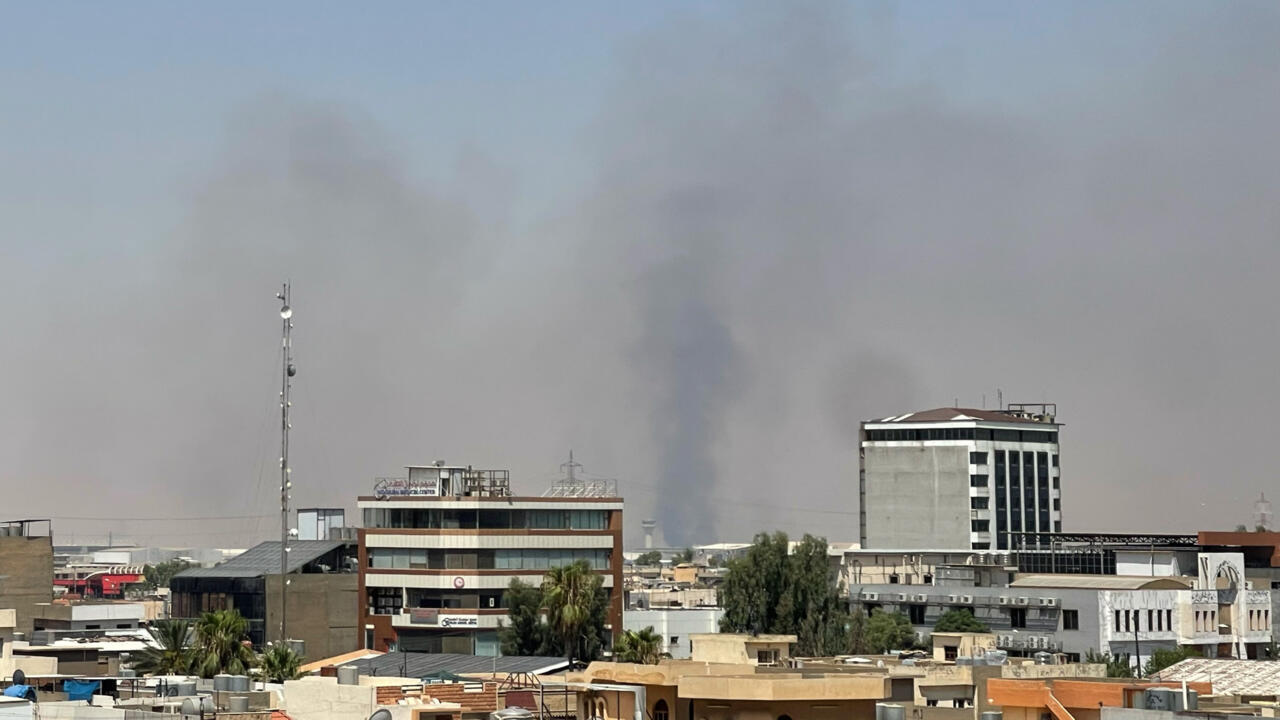
Jordan’s military reported intercepting seven missiles and six drones launched by Iran on Friday, noting that the operation resulted in no casualties or material damage. Meanwhile, in Erbil, northern Iraq, US-led forces shot down five explosive-laden drones near the airport where American military advisers are based. Security officials described repeated blasts and plumes of black smoke in the area, though US military officials did not immediately comment on the incident.
Diplomatic efforts to de-escalate the conflict have stalled, with Iranian officials dismissing mediation attempts. Iranian Foreign Minister Abbas Araghchi met with his Pakistani counterpart, Ishaq Dar, but insisted that the US must change its position rather than relying on additional mediators. Araghchi emphasised that the Islamic Republic is “neither intimidated by threats nor will we yield to pressure,” while noting ongoing discussions with China and Russia.
US Central Command stated that the latest barrage was designed to “further degrade Iran’s ability to threaten civilian mariners and commercial vessels transiting regional waters.” The Strait of Hormuz, through which one-fifth of the world’s oil and gas transited in peacetime, remains effectively shut down by Iranian attacks, causing widespread economic turmoil.
Simultaneously, Iran-backed Houthi rebels targeted two Saudi oil tankers in the Red Sea, increasing risks to shipping through another vital route. While the Houthis denied closing the Bab el-Mandeb Strait, claiming their operations were limited to a maritime blockade affecting Saudi-linked shipping, the attacks have sparked fears of a second front in the conflict.