US and Iran escalate maritime confrontation in Strait of Hormuz
A dual-layered standoff threatens to disrupt the flow of approximately 20 per cent of the world's oil supply
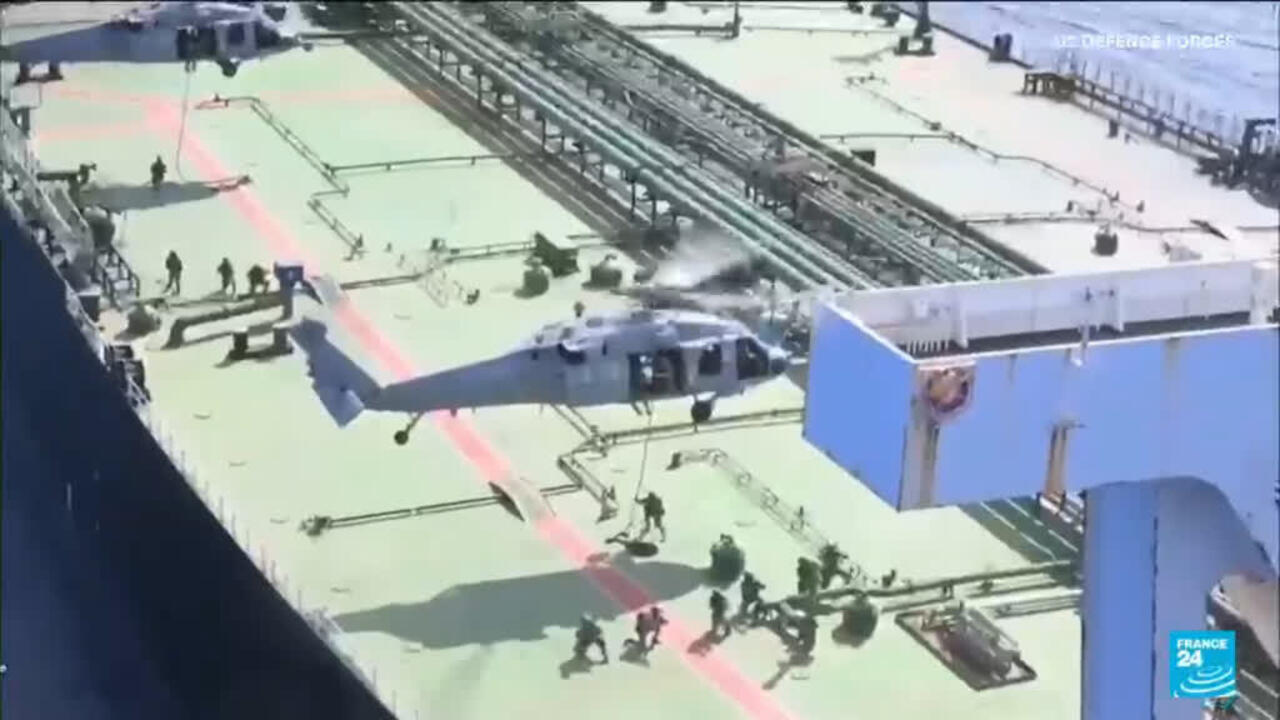
The United States and Iran are engaged in a direct confrontation over the Strait of Hormuz, a critical global oil route that serves as one of the world's most strategic waterways for energy trade. According to reporting by France 24, the two nations are locked in a struggle for influence over the waterway, with Washington emphasising ship seizures to demonstrate its capacity to disrupt maritime traffic.
Simultaneously, a parallel confrontation is occurring on the water regarding demining and the security of the oil route. The situation involves a dual-layered conflict where one element concerns the seizure of vessels while the other involves active demining operations and route security. This unfolding scenario is described as a broader battle of messaging and control rather than a direct kinetic military engagement.
France 24 reports that the United States is highlighting these ship seizures as a specific strategy to assert dominance over the waterway. By seizing vessels, Washington aims to signal its ability to choke off the flow of energy through the strait. This approach underscores the institutional shift towards using maritime interdiction as a primary tool for geopolitical leverage in the region.
The stakes of this diplomatic and maritime friction are significant, with the current standoff threatening to choke approximately 20 per cent of the world's oil supply. While the precise extent to which demining activities are actively impeding traffic versus the impact of the seizures remains unclear, the potential for supply disruption is the central concern driving international attention to the region.
Historical precedents suggest that similar maritime deadlocks between the United States and Iran have previously driven global oil prices past $106 per barrel. Prior to the recent escalation on 28 February, the strait saw an average of 129 daily commercial vessel transits, indicating the volume of trade that could be affected by any sustained disruption to the route.
The situation has effectively ground shipping activity to a standstill in the region, with recent data showing a dramatic reduction in transits. As the two powers continue their struggle for influence, the focus remains on how these institutional actions regarding ship seizures and demining will impact the global energy market and maritime security protocols.