UNDP warns US-Israeli conflict will trap 30 million in poverty despite potential ceasefire
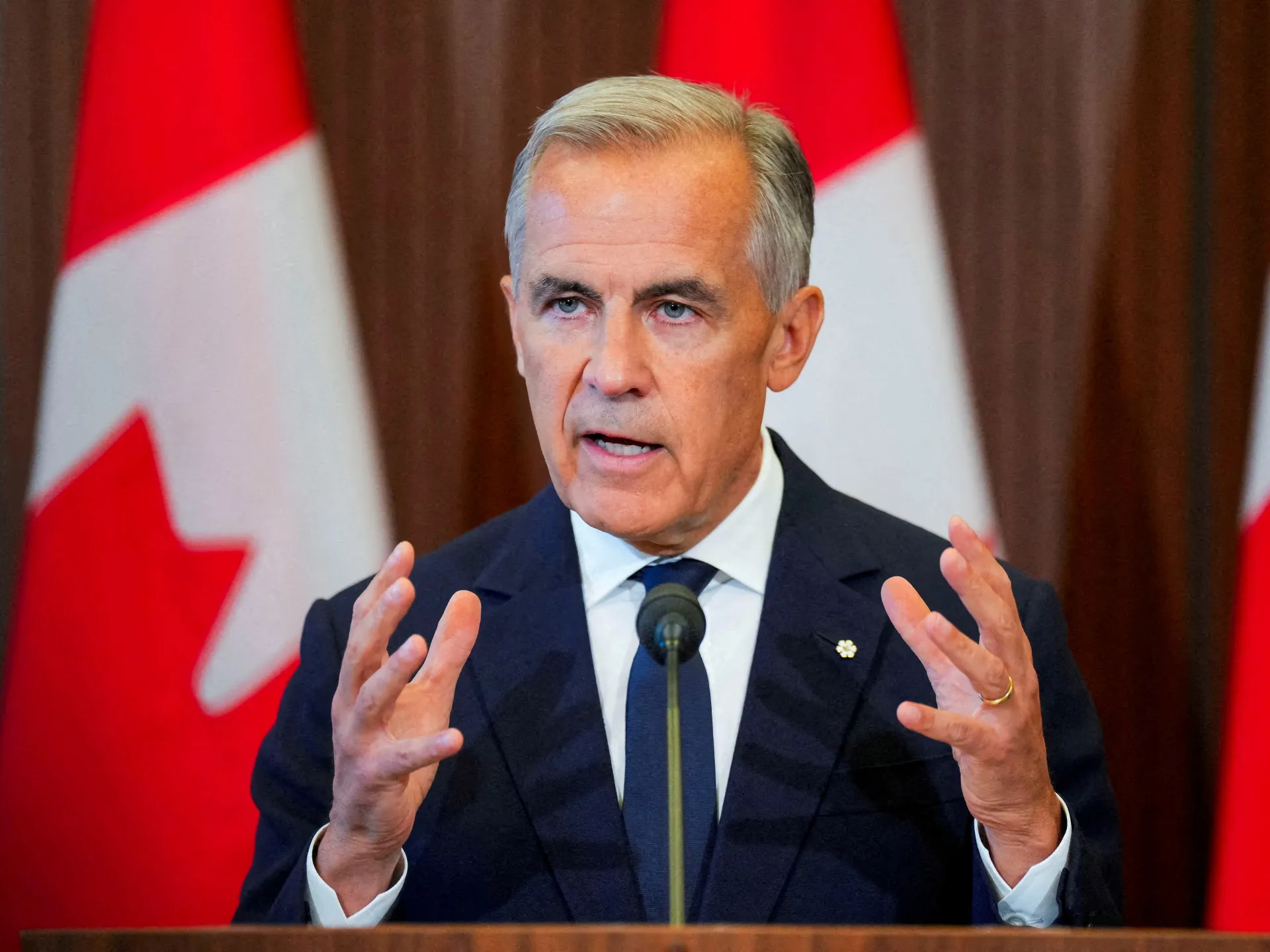
United Nations Development Programme Administrator Alexander De Croo states that infrastructure destroyed in weeks cannot be rebuilt in decades, citing a 0.5% to 0.8% global GDP loss.
The United Nations Development Programme has issued a stark assessment that the ongoing United States and Israel military campaign against Iran will push more than 30 million people back into poverty. UNDP Administrator Alexander De Croo emphasised that the economic damage is structural, noting that even if hostilities were to cease immediately, the lingering disruptions to critical supply chains would sustain this decline.
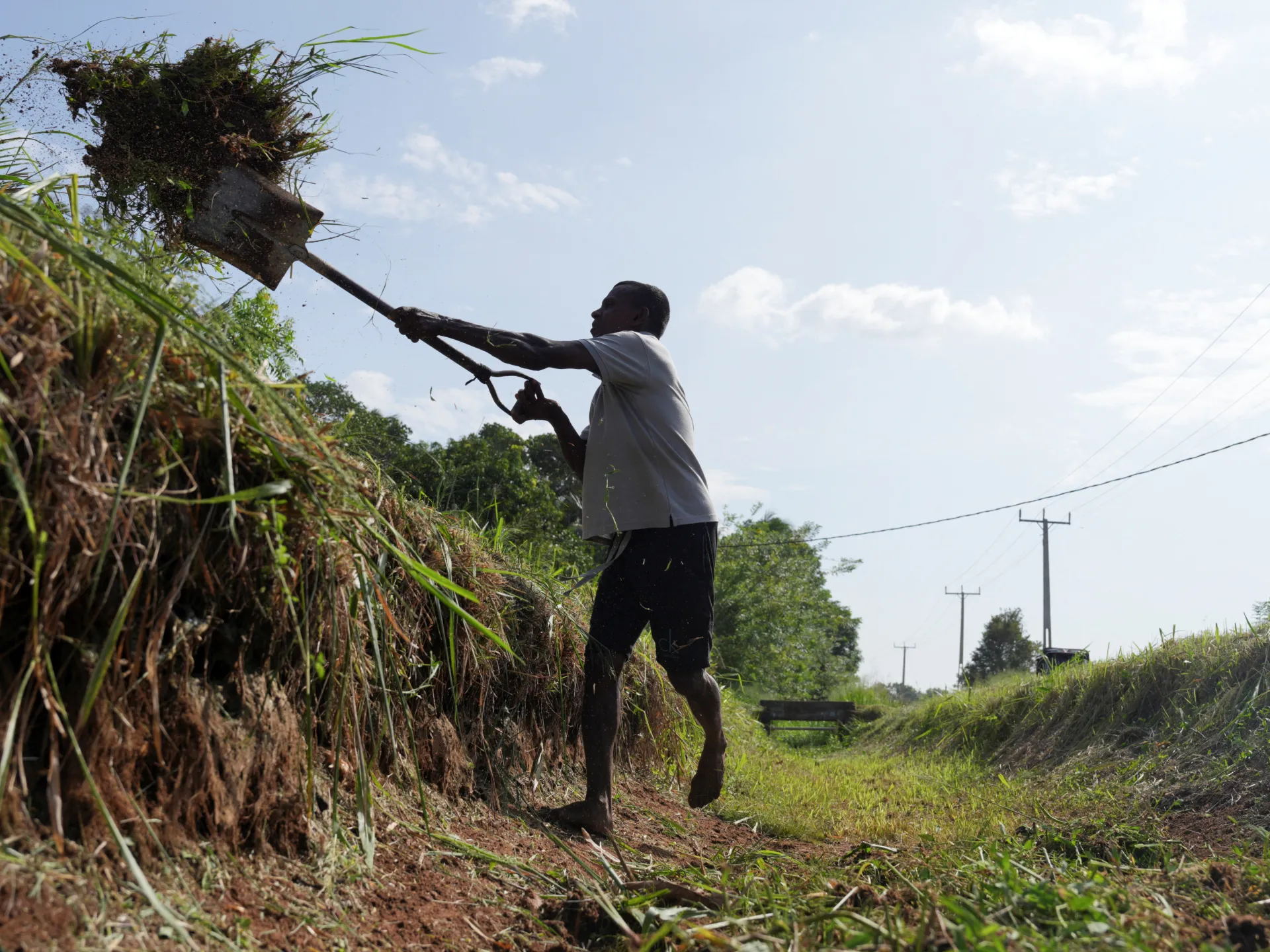
The primary driver of this humanitarian crisis is the blockade of cargo vessels through the Strait of Hormuz, a strategic chokepoint where Iran and the United States are contesting control. The closure has severed the flow of one-third of global fertiliser supplies, which are predominantly produced in the Middle East. Consequently, agricultural productivity has already fallen, with further reductions in crop yields expected later this year, threatening food security across the globe.
Beyond the agricultural sector, the conflict has triggered a cascade of economic failures including energy shortages and a sharp decline in international remittances. De Croo highlighted that the knock-on effects of the war have already wiped out between 0.5 per cent and 0.8 per cent of global gross domestic product. He noted the fragility of modern economies, observing that infrastructure and stability which take decades to build can be dismantled in as little as eight weeks of active warfare.
The strain on global relief efforts has been exacerbated by the blocking of key humanitarian aid routes, delaying life-saving shipments to some of the world's worst crisis zones. The UN Food and Agriculture Organization previously warned that a prolonged crisis in the strait could lead to a global food catastrophe. De Croo indicated that food insecurity will reach its peak within a few months, leaving vulnerable populations without the assistance they require to survive.
Nations identified as facing the highest risk of food insecurity include India, Bangladesh, Sri Lanka, Somalia, Sudan, Tanzania, Kenya, and Egypt. The Middle East crisis is further straining humanitarian efforts in other regions by diverting resources and choking off aid corridors, a situation made worse by existing funding cuts within the sector. De Croo expressed the grim reality that people who would otherwise be surviving on aid will be pushed into even greater vulnerability as shipments are delayed or denied.