UN warns Afghan women’s aid groups face collapse as funding dries up
Susan Ferguson, UN Women’s special representative, says more than half of surveyed organisations could cease operations within a year as the humanitarian appeal remains only 25 percent funded.
The United Nations has issued a stark warning that more than half of the women’s organisations operating in Afghanistan could cease operations within the next year due to severe funding shortages. Susan Ferguson, UN Women’s special representative in Afghanistan, urged donor countries not to cut support for women’s programmes, stating that such reductions would deepen the suffering of Afghan women.
According to Ferguson, more than half of the 74 women’s organisations surveyed in April are likely to suspend operations or close due to financial constraints. The UN’s $1.7bn humanitarian appeal for Afghanistan is currently only 25 percent funded. Nearly three-quarters of the surveyed women’s organisations experienced funding cuts in 2025, and about two-thirds reported having six months or less of operational funding remaining.
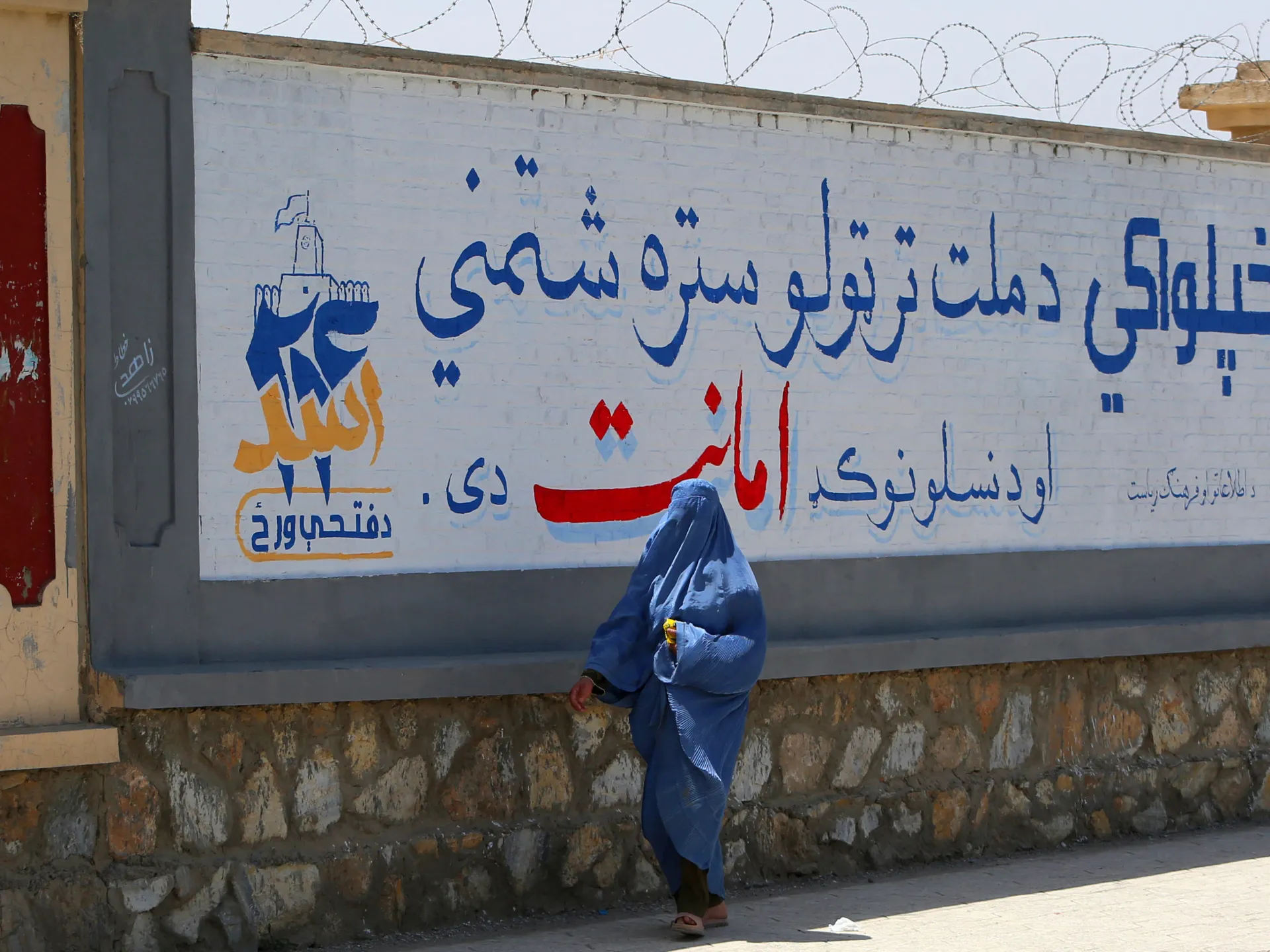
The warning coincides with the fifth anniversary of the Taliban’s return to power. The group marked the occasion with the installation of new flags and murals in Kabul, as well as a cricket match from which women and girls are barred. Since returning to power in August 2021, the Taliban has imposed more than 100 decrees restricting women’s rights, affecting education, employment, freedom of movement, healthcare, and access to justice.
Despite Taliban promises to find an ideologically compliant way for women to attend school, girls remain banned from secondary schools and women from universities. A UN Women survey of 3,200 women found that more than half now leave their homes only once or twice a month, and seven in 10 described their mental health as bad or very bad.
On Friday, a joint statement by 56 countries, including the US, UK, France, Germany, Japan, Lebanon, and the UAE, renewed calls for the Taliban to reverse these restrictions. The statement described the systematic repression of women and girls as a defining feature of the current system.
The humanitarian crisis extends beyond women’s rights. More than half of primary school-aged children are out of school, and child malnutrition has reached critical levels in a third of Afghanistan’s provinces. Infrastructure has been damaged by deadly earthquakes and floods, while the country faces diplomatic isolation, with Russia remaining the only nation to formally recognise Taliban rule.