Houthi missile strike on Yemen’s al-Makha port leaves death toll disputed amid regional escalation
Ballistic missile attacks on the Red Sea port city of al-Makha have triggered conflicting casualty figures and heightened fears of a return to large-scale conflict in Yemen, coinciding with renewed drone strikes on Saudi infrastructure.
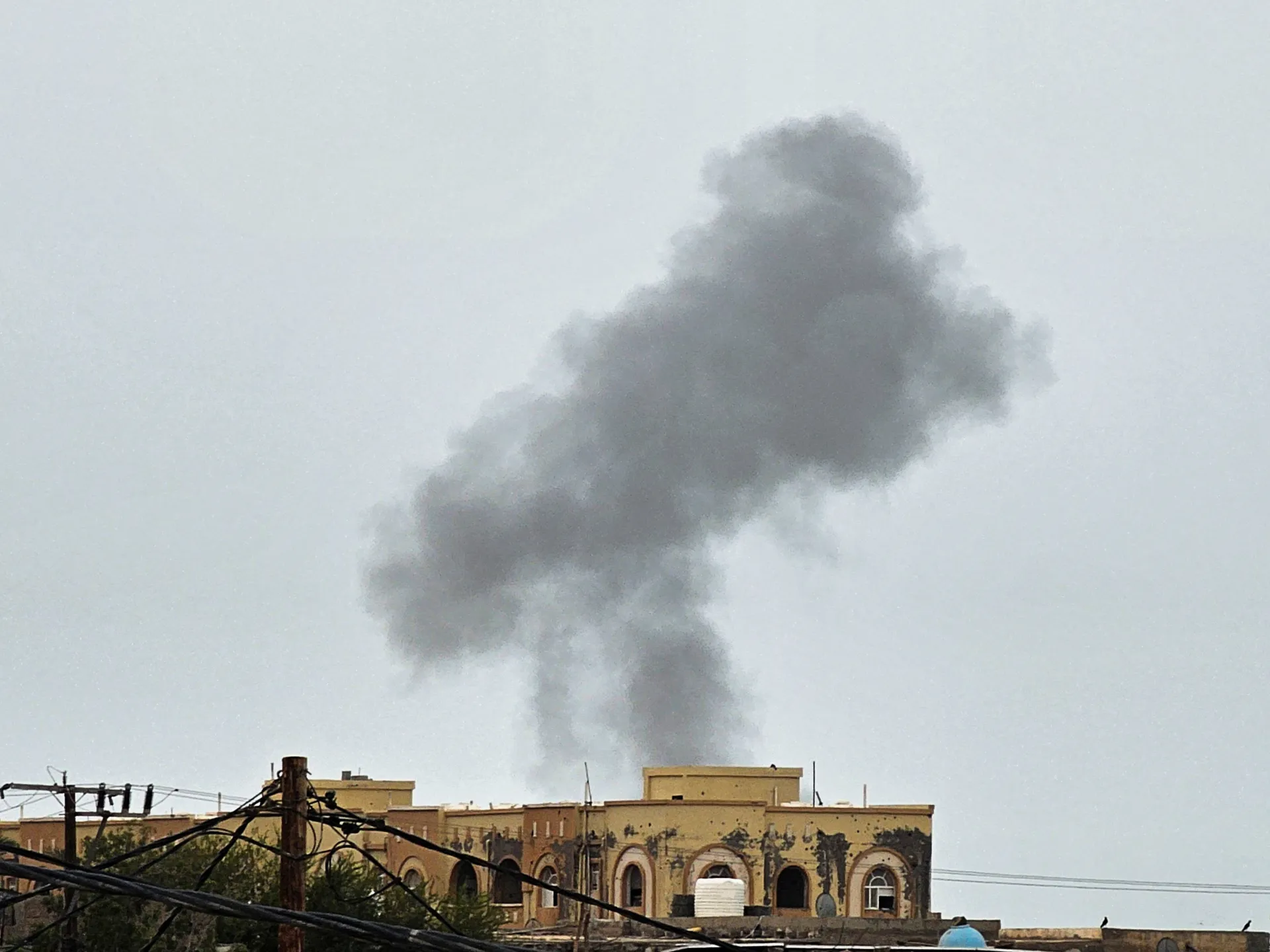
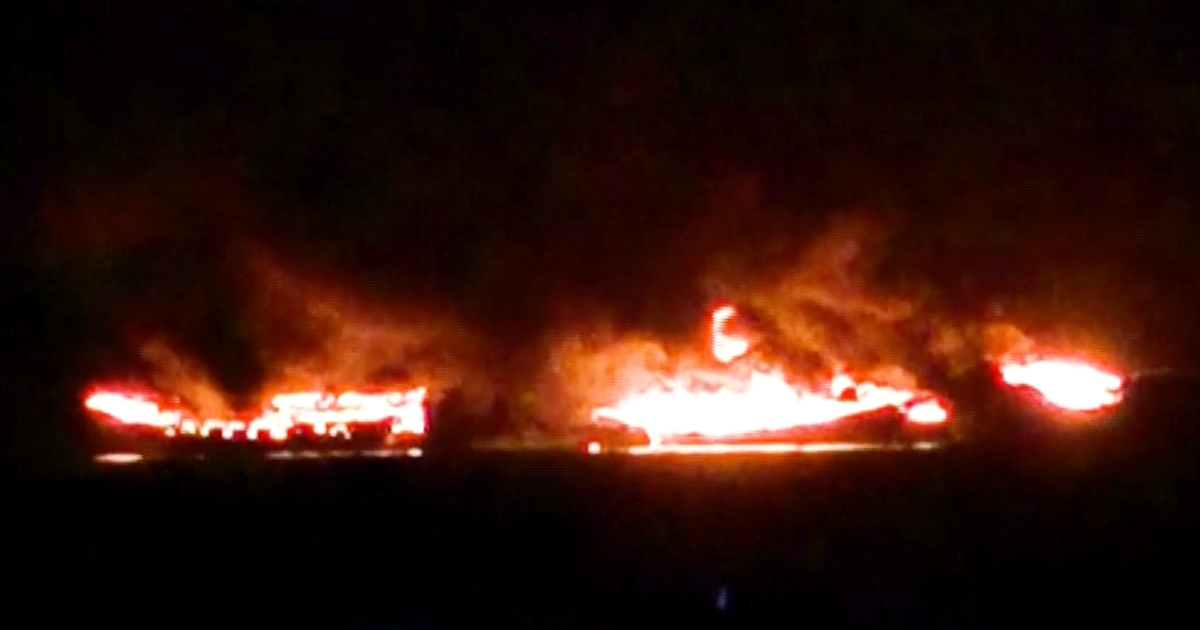
Yemen’s internationally recognised government has confirmed that Houthi forces launched six ballistic missiles at the Red Sea port city of al-Makha on Friday, an attack that resulted in civilian casualties and damage to national assets. The government stated that at least four civilians were killed and several fishing boats were destroyed, while also noting damage to infrastructure at the port.
Conflicting reports regarding the death toll have emerged in the immediate aftermath of the strike. While the official government statement cited four fatalities, an unnamed military official from the government told the AFP news agency that the death toll was at least eight, including two security personnel. The discrepancy highlights the challenges in verifying casualty figures in active conflict zones.
The Houthis, an Iran-aligned group, claimed responsibility for the attack, asserting that the missiles targeted Saudi-backed forces, warships, and weapons stockpiles in the area. In a statement, the group alleged that it had destroyed boats and military equipment belonging to what it described as “mercenaries” and Saudi-backed forces, framing the strike as a defensive response to regional hostilities.
This escalation in al-Makha occurs against a backdrop of heightened regional tensions linked to the broader US-Israel conflict with Iran. The Houthis have increasingly positioned themselves as a key front in this wider geopolitical struggle, raising concerns among analysts and regional observers of a potential return to large-scale conflict in Yemen.
Concurrent with the missile strike on al-Makha, the Houthi-run SABA news agency reported separate drone attacks on Saudi facilities. A military source cited by the agency claimed that a drone targeted an Aramco facility in the city of Najran, describing the action as a response to Saudi military aircraft entering the airspace over Yemen’s Saada governorate. Additionally, the Houthis reported two drone strikes on an Aramco refinery in Jazan on Thursday.
These reports have not been independently verified by Saudi authorities or Aramco, which have not immediately commented on the specific incidents in Najran or Jazan. The lack of confirmation from Saudi entities leaves the extent of damage to critical energy infrastructure uncertain, though the pattern of attacks underscores the persistent threat to regional stability.
The violence in Yemen is unfolding as diplomatic efforts between the United States and Iran remain stalled. Iran’s Supreme National Security Council recently demanded that the US end its blockade, lift sanctions, withdraw troops, and pay reparations. In response, US President Donald Trump has countered by demanding that Iran pay compensation, further complicating diplomatic channels.
Despite the diplomatic impasse, reports indicate that Iran and Oman are nearing an agreement on a new transit corridor through the Hormuz Strait. This potential development adds another layer of complexity to the regional security landscape, as military escalations continue alongside tentative diplomatic maneuvers.