Buenaventura residents cite state neglect in earthquake aftermath
With 540 homes collapsed and hospitals operating in car parks, locals fear the impoverished Pacific hub will be sidelined in Colombia’s national recovery efforts.
Residents of Buenaventura have accused the Colombian government of inadequate disaster response and long-standing institutional neglect following a 7.4-magnitude earthquake that killed an estimated 287 people nationwide. In the port city, where 19 deaths were recorded, locals report insufficient aid, critical hospital shortages, and a lack of security, fearing their impoverished community will be overlooked in favour of larger urban centres such as Cali.
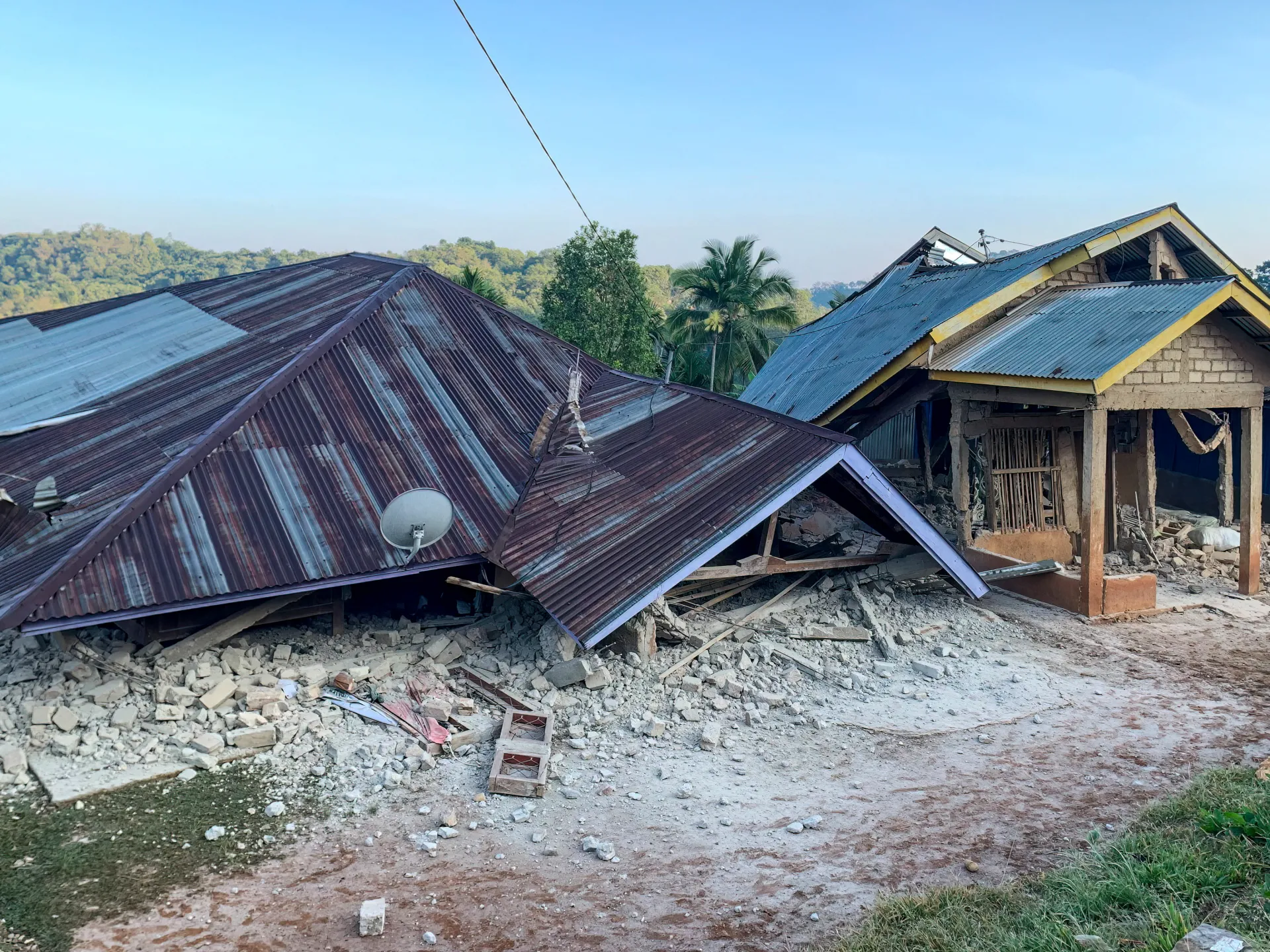
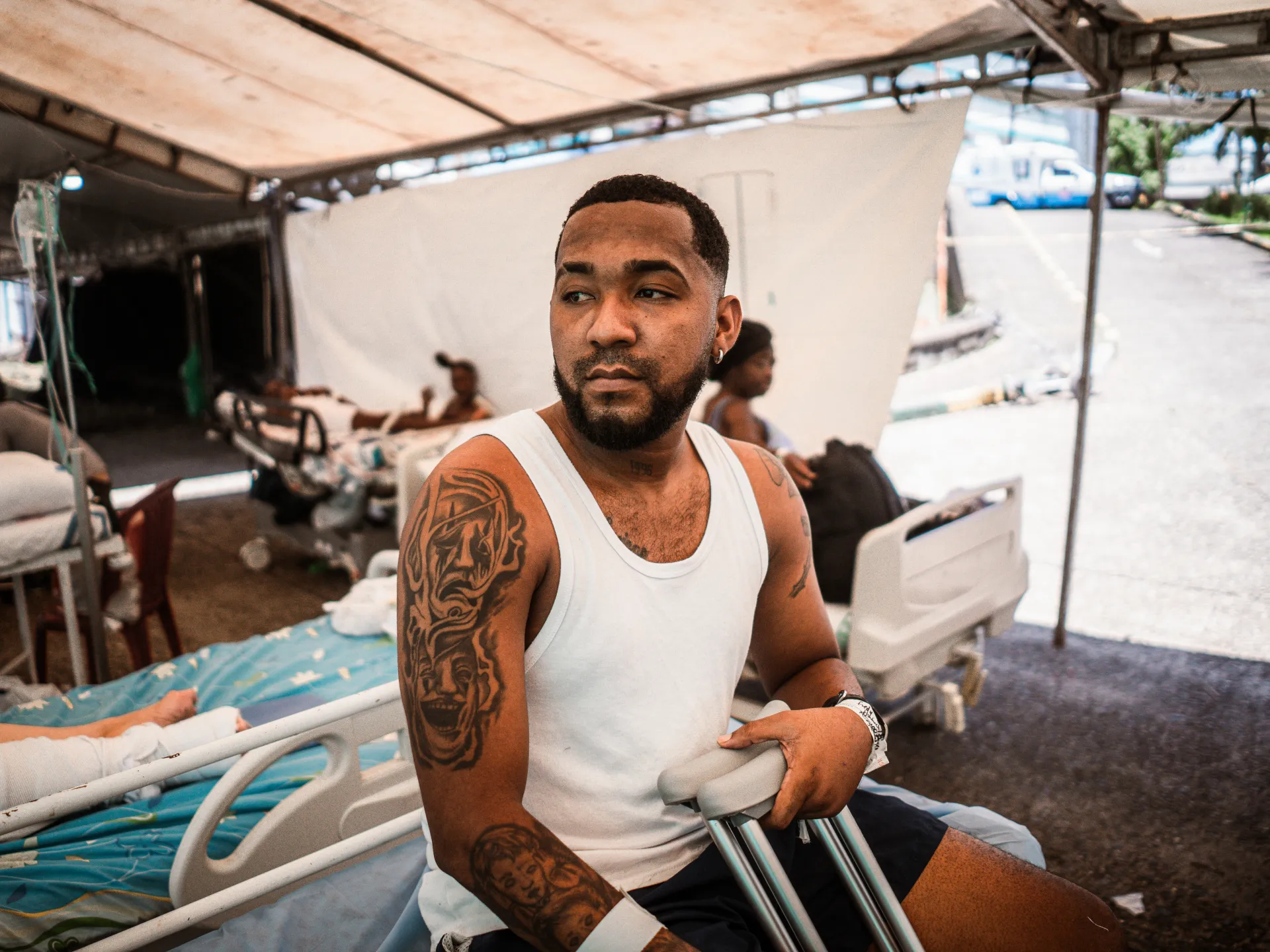
The disaster caused widespread destruction in Buenaventura, with approximately 540 homes collapsed and 3,416 others sustaining damage. Around 330 residents were injured, many of whom are being treated in tents in the car park of the Luis Ablanque de la Plata District Hospital. Several wards at the facility remain out of operation due to a lack of supplies and unpaid staff, a situation that shipyard worker Bryan Reyes described as evidence of chronic under-investment and total abandonment by the state.
Lorena Hipis, whose home was partially destroyed by the collapse of a neighbouring five-storey building, expressed frustration at the slow government response. She noted that while the mayor visited the area, tangible assistance lasted only an hour. Hipis, like many others, fears that the municipality and national government are prioritising recovery in major provincial capitals over areas with higher levels of poverty, such as their city on Colombia’s Pacific coast.
Security concerns have further complicated the aftermath, with reports of looting at collapsed sites after military units were redeployed to manage a prison riot. Jorge Montez, a parking attendant, has been guarding the site of a collapsed apartment building due to fears of theft, highlighting a stark contrast with Cali, where authorities have militarised the streets. The absence of police and military presence has left residents vulnerable, with volunteers in the Barrio Oriente neighbourhood reporting the need for police escorts to deliver aid due to local gang violence.
The earthquake has exacerbated pre-existing socioeconomic challenges, with government estimates indicating that 15.4 percent of Buenaventura’s population lives in multidimensional poverty, more than double the rate in nearby Cali. Iveth Dalissa Caceres, a social worker coordinating a community kitchen that distributes 400 meals daily, warned that the disaster would likely aggravate deep-rooted problems of underdevelopment and violence in the Pacific region. Despite the state’s perceived absence, residents have mobilised community-led relief efforts, underscoring a resilience forged through decades of marginalisation.