UN Secretary-General candidates pitch for peace but maintain diplomatic neutrality ahead of 2027 selection
Michelle Bachelet, Rafael Grossi, Rebeca Grynspan and Macky Sall present their cases to succeed Antonio Guterres in a tightly managed diplomatic process
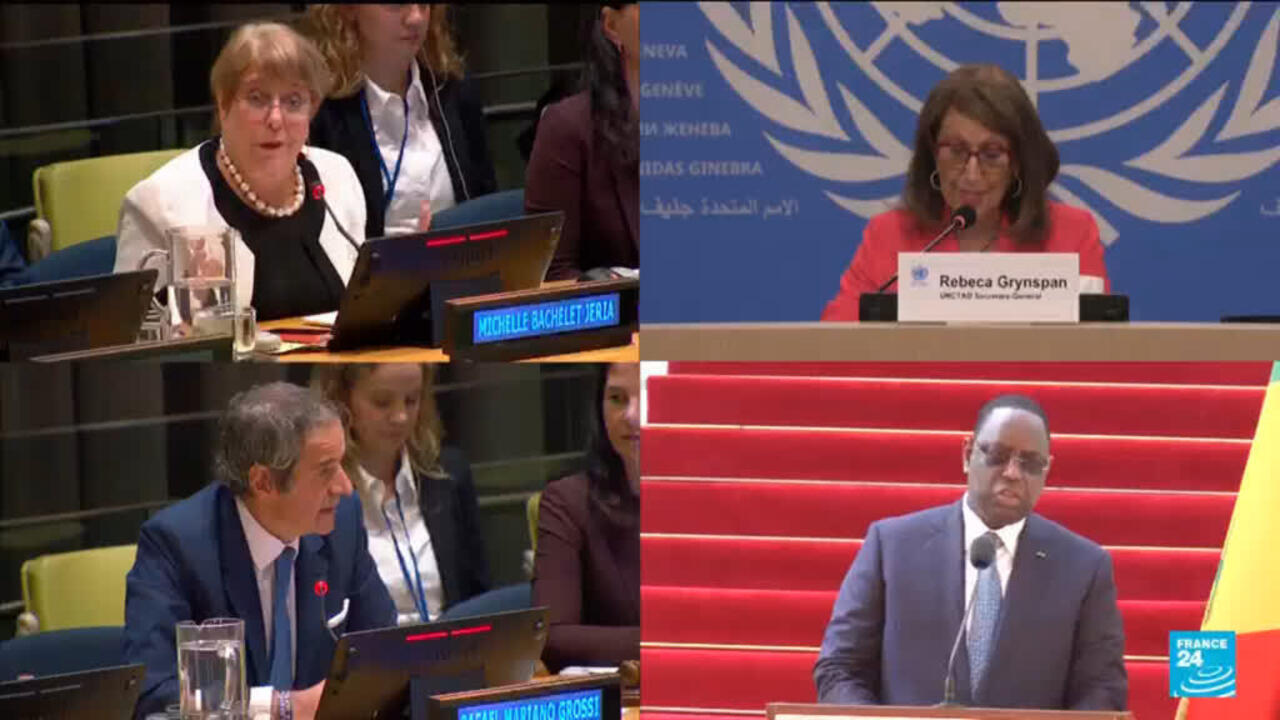
Four contenders for the next United Nations secretary-general presented their cases for a global body more invested in peace during intensive sessions this week. The candidates, including Michelle Bachelet, Rafael Grossi, Rebeca Grynspan, and Macky Sall, addressed the 193 member states and civil society representatives in three-hour Q&A sessions. While their overarching theme focused on restoring confidence and prioritising peace, the presentations were carefully calibrated to avoid taking specific positions that might antagonise potential voting blocs.
This diplomatic caution marks a strategic approach by the candidates as they navigate the rigorous vetting process required to succeed Antonio Guterres. The current Secretary-General, who is serving his second five-year term, is set to conclude his tenure on 1 January 2027. Consequently, the selection process demands a delicate balance where advocates for a peace-focused agenda must refrain from adopting stances that could alienate the very nations responsible for electing the new chief.
The sessions, held on 23 April 2026, involved wide-ranging questions from the full membership of the General Assembly. Each candidate spent three hours answering inquiries, a format designed to test their policy awareness and governance capabilities without forcing premature commitments. The United Nations structure requires that the new leader be elected from a list of candidates nominated by the Security Council, making the ability to maintain broad support while articulating a vision for peace a critical component of the campaign.
Despite the emphasis on peace, the source material indicates that the specific policy proposals or detailed platforms regarding how each candidate would achieve this goal were not elaborated upon. Instead, the reporting highlights the collective decision to exercise restraint. This approach ensures that the candidates do not inadvertently create divisions among the diverse coalition of nations that make up the world body before the final vote is cast.
The transition timeline remains fixed, with the current administration of Antonio Guterres concluding on 1 January 2027. The election will determine the next head of the organisation, with the outcome currently undecided as the reporting date precedes the final selection. The focus for the remaining candidates is to refine their pitches for a peace-oriented UN while ensuring they do not compromise their diplomatic standing in the months leading up to the appointment.