UN Funding Gap Forces 75% Cut in Somalia Humanitarian Response as Crisis Deepens
A 20 per cent funding rate for the UN response plan has triggered a drastic reduction in assistance targets and health facility closures across the Horn of Africa.
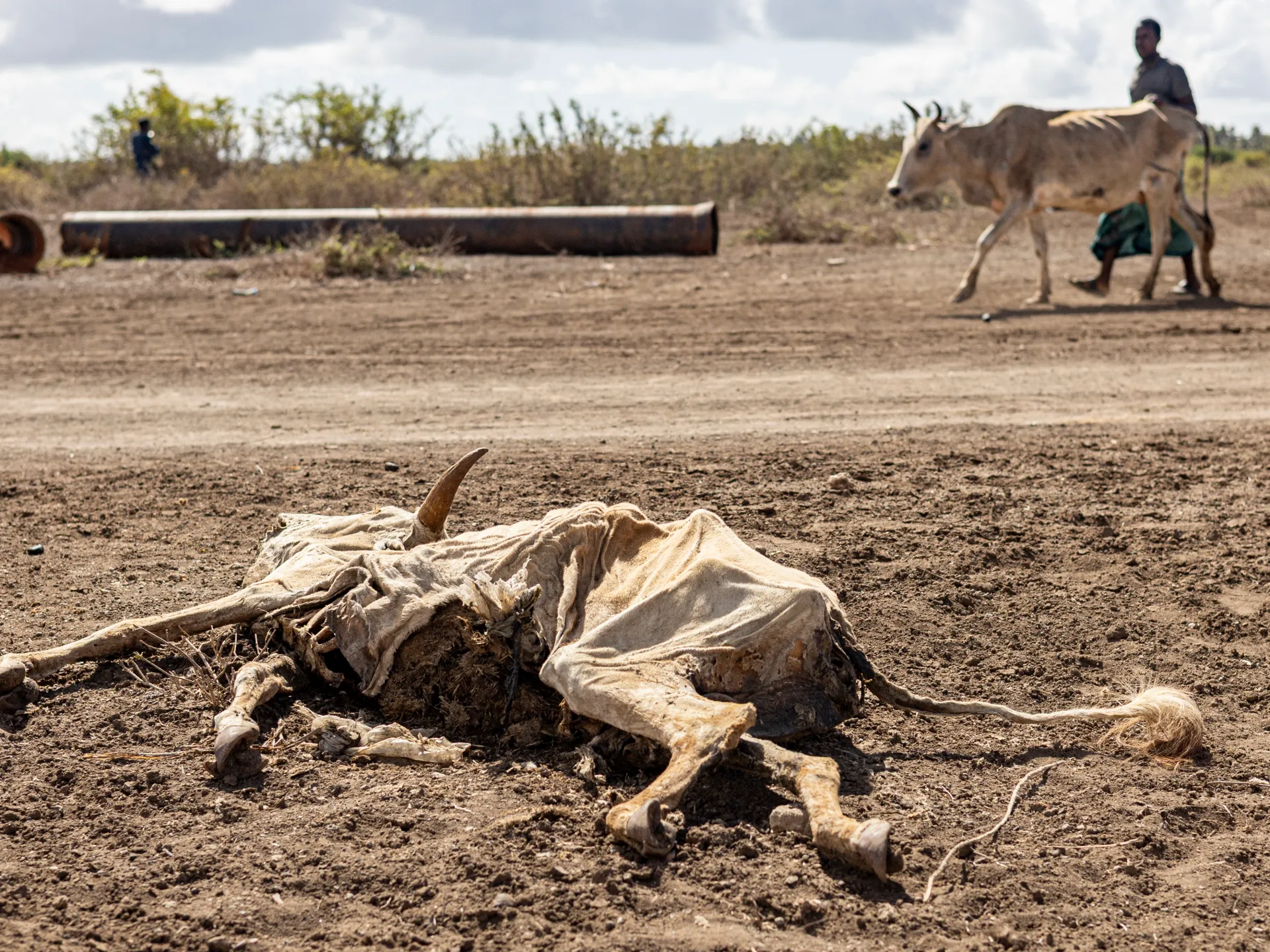
The humanitarian situation in Somalia has deteriorated significantly as a convergence of climate shocks and conflict drives over six million people into severe hunger. The United Nations response plan, designed to address this emergency, is currently funded at only 20 per cent of the required $1.42 billion. This critical shortfall has forced a 75 per cent reduction in assistance, leaving the number of people targeted for aid cut from six million to just 1.3 million.
Consequently, more than two million individuals now face critical emergency conditions, with 1.8 million children under five at risk of acute malnutrition. The collapse of pastoralist livelihoods, particularly in southern port cities like Kismayo, has seen herds reduced from hundreds of cattle to single digits. This economic devastation is compounded by the fact that even when rain eventually arrives, it is often uneven and too late to restore collapsed livelihoods following three consecutive failed rainy seasons.
The operational capacity of the aid sector has been severely degraded by these funding cuts. Doctors Without Borders reports that more than 200 health and nutrition facilities have closed since early 2025. These closures leave critical gaps in services for a population where over 22 per cent is displaced, straining resources in overcrowded camps and areas controlled by armed groups such as al-Shabab.
Logistical challenges further exacerbate the institutional failure to deliver aid. Transport costs for delivering supplies have risen by up to 50 per cent in parts of the country. These increases are driven by global supply chain disruptions linked to the US–Israeli war on Iran, which have constricted the ability to deliver assistance as humanitarian systems come under growing strain.
As the need for aid rises, the humanitarian response capacity continues to shrink. The reduction in funding means millions of Somalis are no longer receiving assistance even as the crisis deepens on the ground. With secondary displacement increasing as families flee overcrowded settlements, the gap between the scale of the emergency and the available institutional response remains dangerously wide.