UN expert says US strikes on suspected drug boats may constitute crimes against humanity
UN Special Rapporteur Ben Saul says 68 attacks in international waters killed at least 223 people, rejecting the US claim of self-defence.
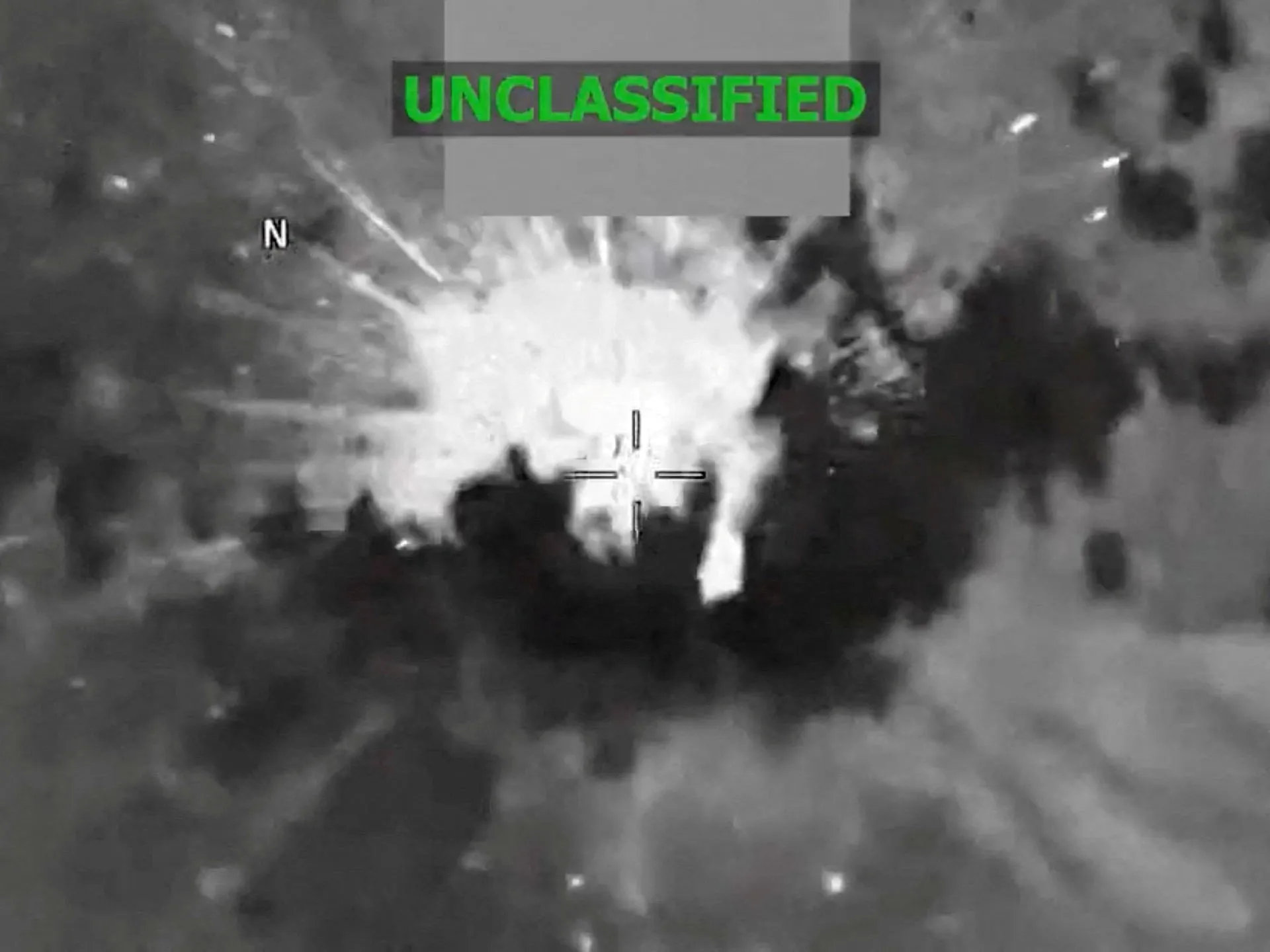
US strikes on suspected drug-trafficking vessels in the Caribbean Sea and Pacific Ocean may have breached international law and plausibly constitute crimes against humanity, according to United Nations Special Rapporteur Ben Saul.
In a report published on Monday, Saul said US forces had attacked 68 vessels in international waters between September 2025 and August 2026, killing at least 223 people. The figures and legal conclusions come from Saul’s report and have not been independently substantiated in the supplied material.
The US has defended the operations as self-defence against “narco-terrorists”. President Donald Trump has told Congress they form part of an armed conflict with designated terrorist organisations. Saul rejected that justification, saying drug trafficking did not meet the legal threshold of an armed attack and that there appeared to be no factual basis for claims that some targeted groups were armed proxies of Venezuela.
The report said less-lethal alternatives, including maritime interception, were available. It argued that lethal force was not used as a last resort against an imminent threat, as required under the International Covenant on Civil and Political Rights. The Pentagon has released strike videos but disclosed limited information about those killed or the evidence linking them to drug trafficking.
Saul called for investigations, prosecutions and reparations for victims’ families, including possible action against political and military leaders who ordered the strikes. He also questioned whether the campaign had reduced drug trafficking, citing continued cocaine seizures at the US border and the movement of much of the region’s cocaine through container ships rather than the small vessels being targeted.