Yemen fighting intensifies as Saudi strikes hit Mokha
Saudi-led airstrikes reportedly killed six people in the Red Sea port as G7 ministers called for an end to Houthi attacks and France offered defensive support for Saudi energy infrastructure.
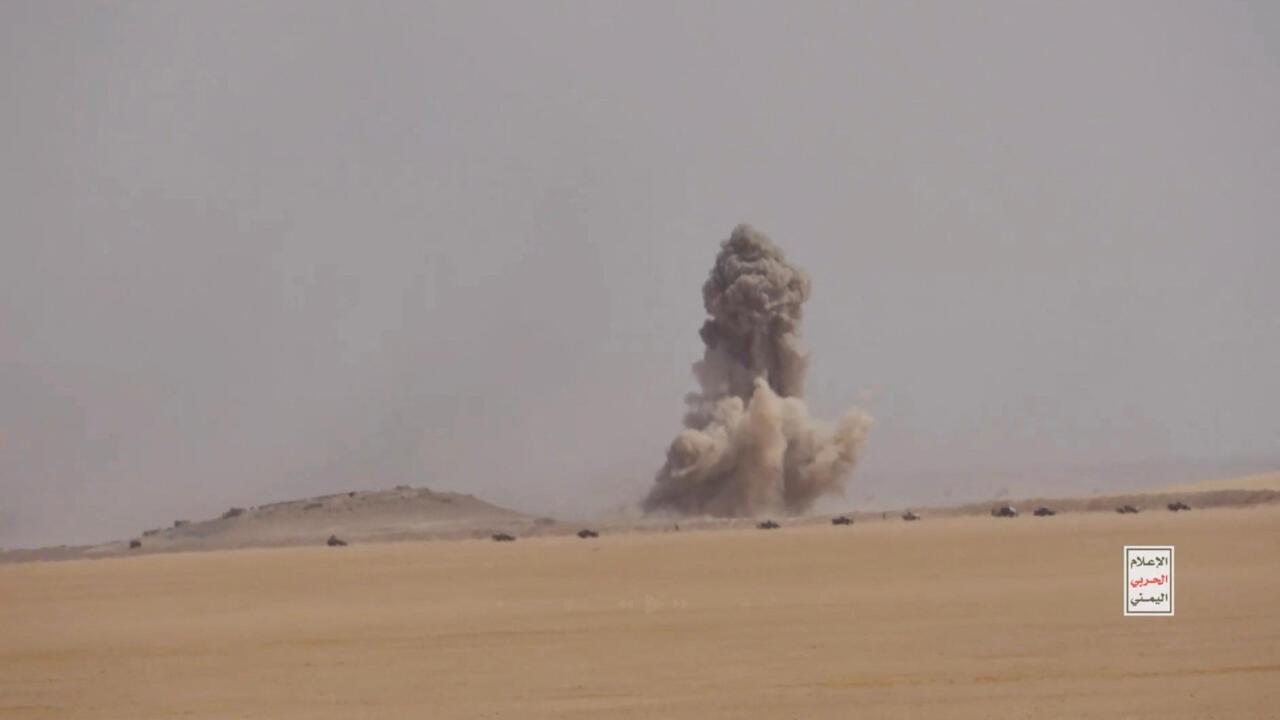
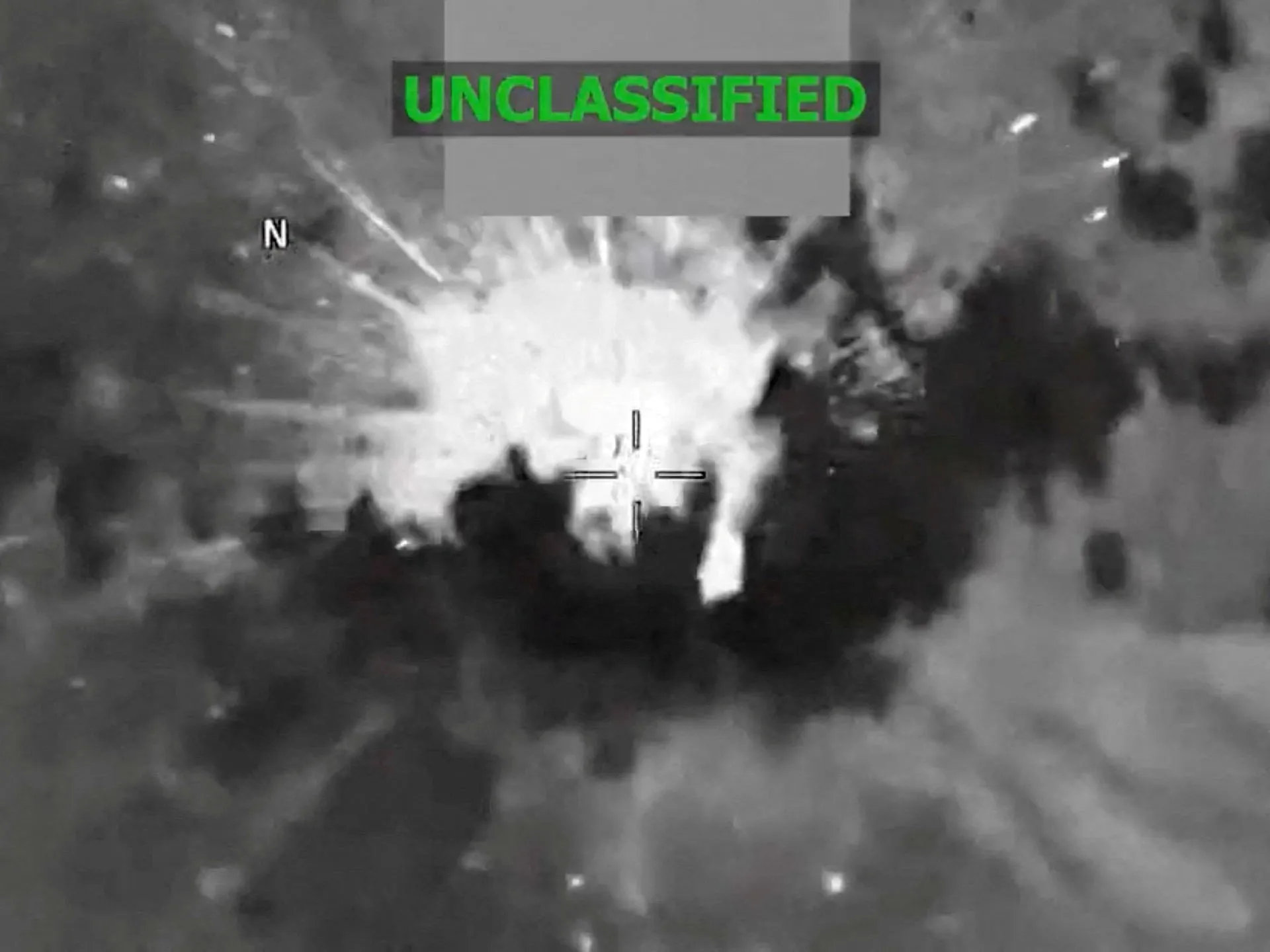
Fighting in Yemen has intensified after Saudi-led airstrikes hit the Red Sea port of Mokha, where at least six people were reportedly killed and eight wounded.
The Houthi-affiliated news agency Saba said the dead included two children and a woman. The casualty figures and identities have not been independently verified in the supplied reporting.
The strikes came as the Houthis reportedly continued an offensive along Yemen’s Red Sea coast, including an effort to take Mokha. The extent of the group’s territorial gains remains unclear.
France said it was prepared to help secure Saudi energy infrastructure in Yanbu and along the East-West Pipeline, while stressing that any role would be strictly defensive and would not involve taking part in the conflict.
G7 foreign ministers urged the Houthis to halt military actions and attacks on civilian shipping and return to the political process. They also called on Iran to end what they described as its arming and support of the group, alleging that Tehran was breaching earlier UN Security Council resolutions.
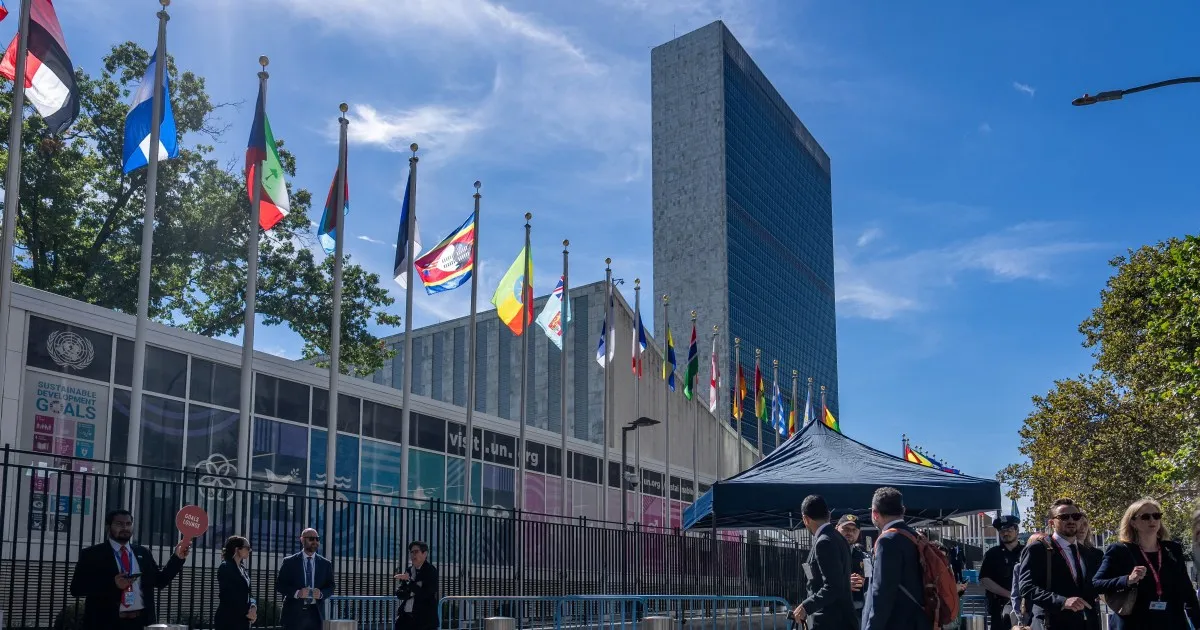
The escalation was reported by France 24 as US President Donald Trump prepared to address the United Nations in New York. Iranian Foreign Minister Abbas Araghchi also arrived in the city and spoke by phone with UN Secretary-General António Guterres.