UN summit tests multilateralism amid wars, AI fears and institutional strain
About 130 leaders are expected at the annual gathering, with conflicts, artificial intelligence and UN reform at the centre of discussions.
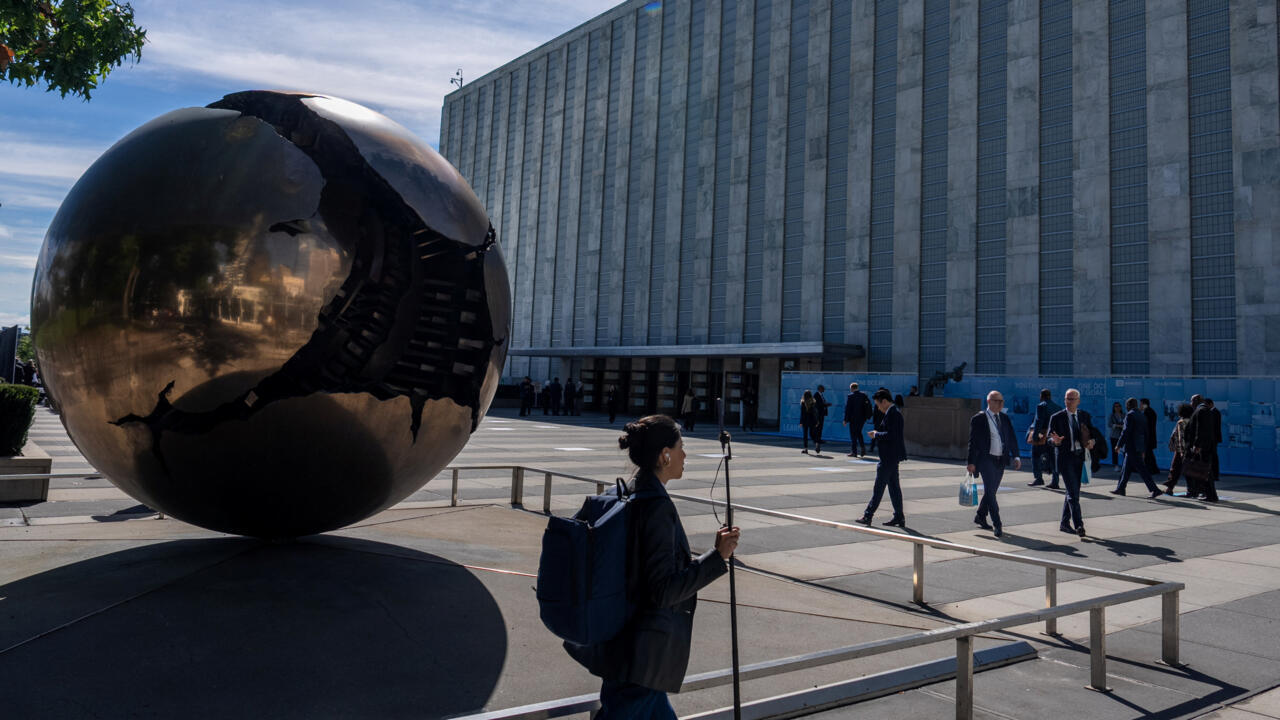
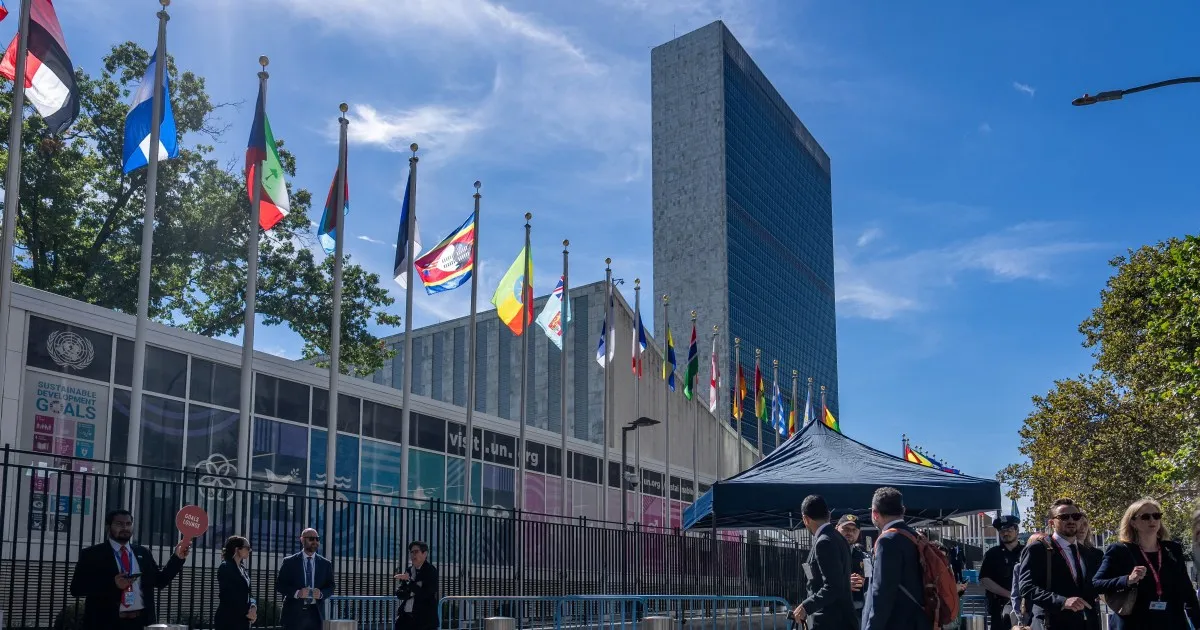
World leaders are gathering at the United Nations General Assembly as conflicts, economic pressures, climate shocks and concern over artificial intelligence test the institution’s ability to co-ordinate international action.
About 130 heads of state and government are expected to address the 193-member assembly from Tuesday. Donald Trump, Emmanuel Macron, Volodymyr Zelenskyy, Masoud Pezeshkian and Benjamin Netanyahu are among the leaders scheduled to speak. China’s Xi Jinping, Russia’s Vladimir Putin and India’s Narendra Modi are not expected to attend in person, according to France 24 International.
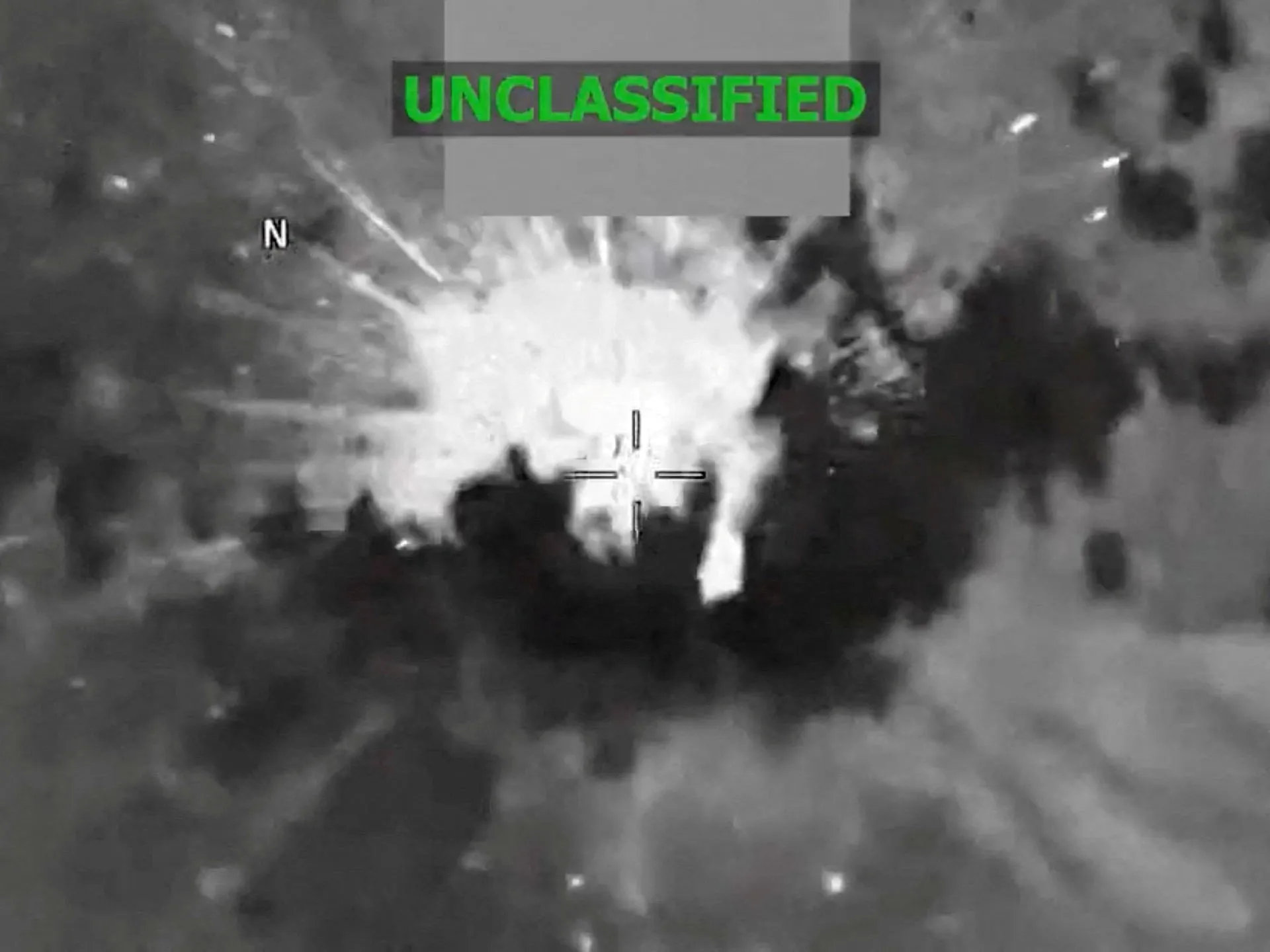
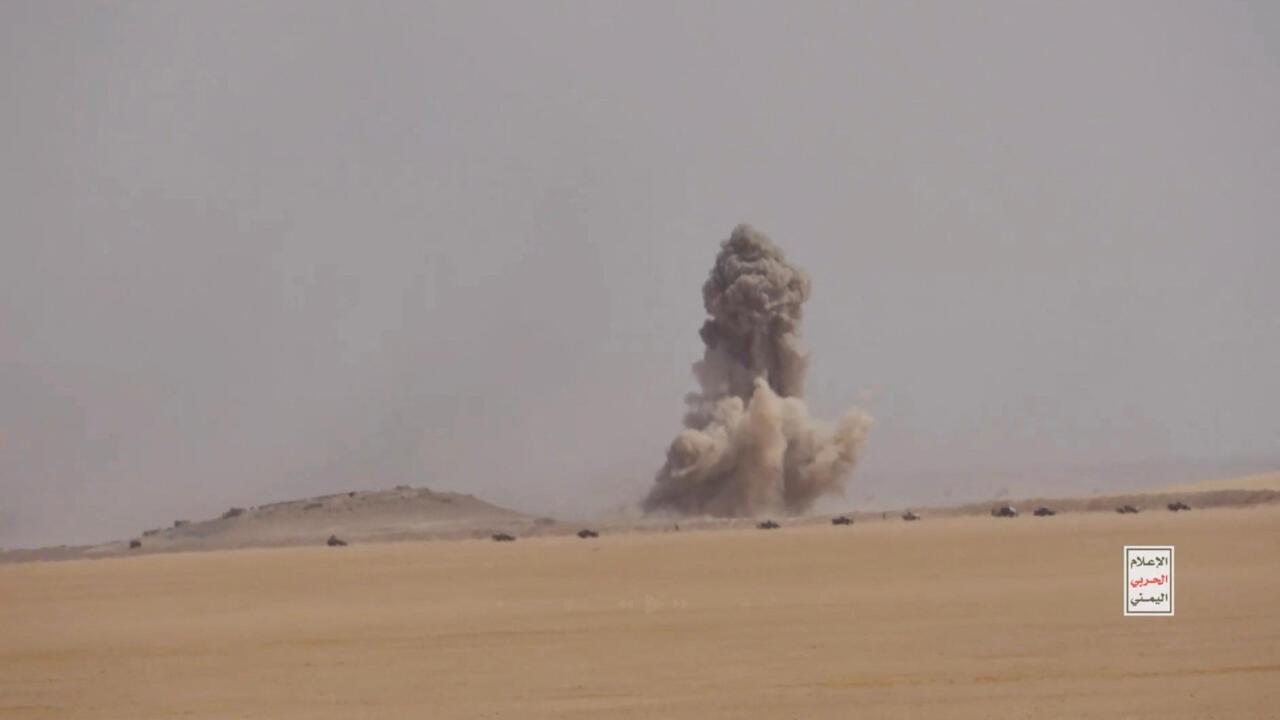
The agenda includes conflicts involving the Middle East, Ukraine, Sudan, Congo and Myanmar, as well as rising costs linked to disrupted shipping routes and supply chains. It remains unclear whether the gathering will produce concrete agreements on any of those crises.
Artificial intelligence will receive high-level attention when the UN Security Council meets on Wednesday. The issue has gained prominence amid warnings about the technology’s rapid development and the absence of global safeguards. The council is also scheduled to hold a meeting on Ukraine.
UN members have agreed to a reform package that includes proposals to update major institutions, including the Security Council. The organisation is also facing financial strain and has cut back peacekeeping and humanitarian operations. The United States has reportedly paid US$725 million towards this year’s regular operating budget, preserving its General Assembly vote.
Secretary-General António Guterres’ second term ends on 31 December, with no clear successor identified. The assembly remains the central forum for multilateral diplomacy, but the week’s discussions will also expose the limits imposed by polarisation, unresolved conflicts and institutional weakness.