UK Police Fail to Act on Epstein Trafficking Allegations Despite Evidence of London Operations
Receipts, bank records, and emails from the Epstein files confirm a trafficking infrastructure in London, raising questions over the Metropolitan Police's refusal to investigate Giuffre's 2015 claims.
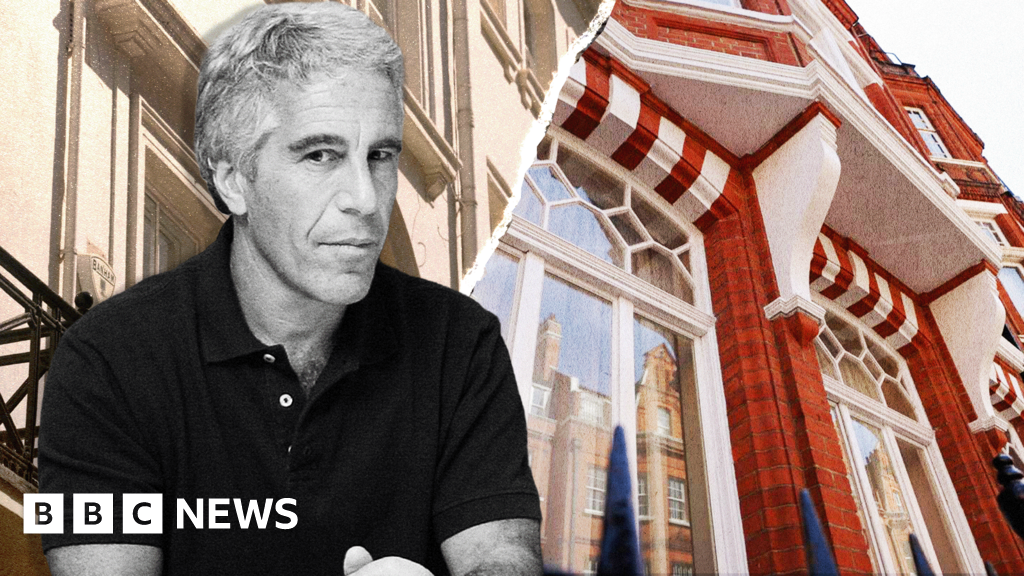
A BBC investigation has uncovered evidence within the Epstein files confirming that Jeffrey Epstein housed women he allegedly abused in four flats located in the affluent borough of Kensington and Chelsea. The report draws on receipts, emails, and bank records to map the locations and details of their stay, revealing an operation that persisted right up until Epstein's arrest and death in 2019.
Many of the women housed in these properties were brought to the UK following the Metropolitan Police's decision in 2015 not to investigate Virginia Giuffre's trafficking allegations. The investigation found that some victims were coerced by Epstein to recruit others into his sex trafficking scheme and were frequently transported to Paris via Eurostar. Evidence indicates that Epstein purchased at least 53 tickets for these journeys between 2011 and 2019, with 33 of those acquired after Giuffre's initial complaint.
Despite multiple opportunities to launch a formal inquiry, including a second complaint received by the Metropolitan Police in early 2020, UK authorities have not opened a domestic investigation into Epstein's activities in the country. The BBC noted that British police had other chances to act, yet they maintained that they followed reasonable lines of inquiry at the time, interviewing Giuffre on multiple occasions and co-operating with US investigators.
The investigation highlights that British authorities, including the National Crime Agency, were aware of specific UK transactions and allegations, such as those involving the Countess of Iveagh, and passed this intelligence to the FBI. However, no domestic probe was initiated. A human rights lawyer described the lack of action as staggering, noting that the UK state has a positive legal obligation to conduct a prompt and independent investigation where credible allegations of human trafficking exist.
Former senior detective Kevin Hyland, who served as the UK's first Independent Anti-Slavery Commissioner, stated that police missed opportunities to investigate the convicted sex offender. He suggested that officers could have utilised travel data and digital identifiers to monitor the movement of women frequently booking tickets for groups of single women. Hyland questioned who made the decision to allow Epstein to continue operating while allegations were being made.
The BBC also identified several individuals in the UK who worked for Epstein or Ghislaine Maxwell, though many have not responded to contact attempts. While the Metropolitan Police stated they are fully engaged in an assessment of information regarding London airports as transit points, they did not directly address the specific findings regarding the four London flats and the Eurostar tickets.