Local English Vote Tests Opposition to Farage’s Populist Brand
Voters cast ballots in a contest that pits Nigel Farage against comedian Richard Herring’s trash-can persona, Count Binface, in a direct test of the political landscape.
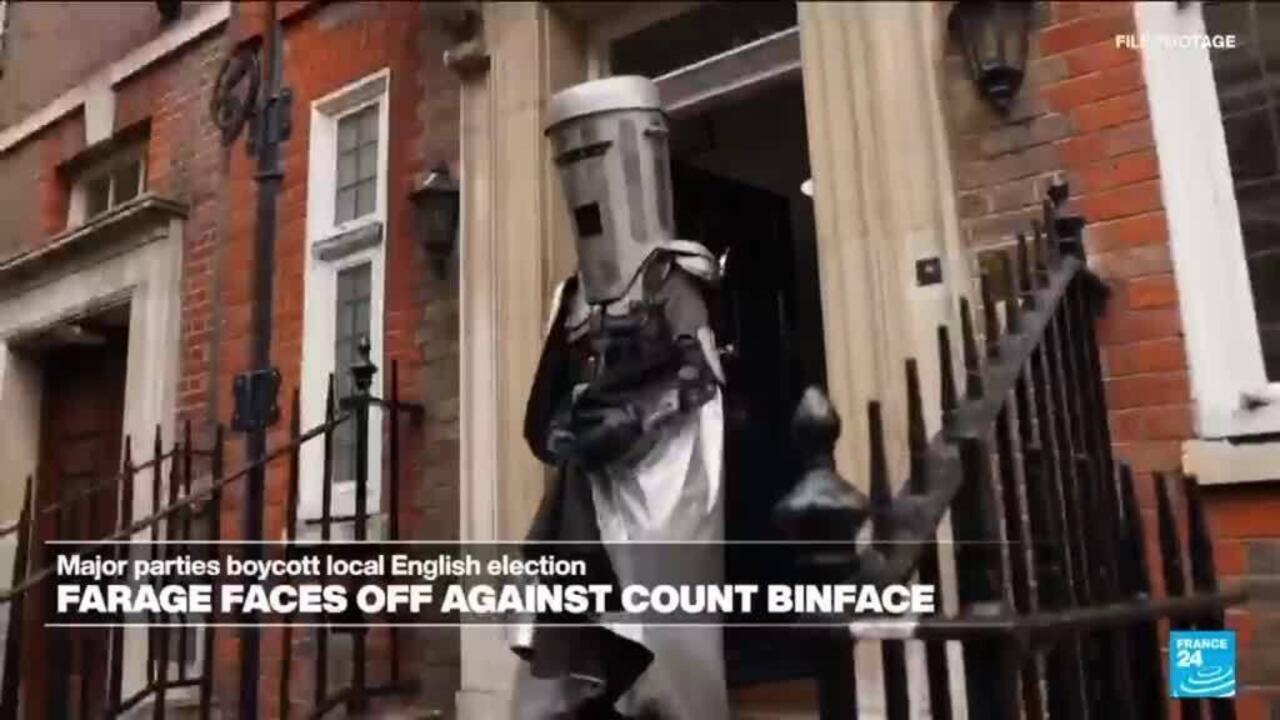
Voters in a local English election cast their ballots on Thursday, participating in a contest that has drawn significant attention for its unusual dynamic. The election pits Reform UK leader Nigel Farage against his main challenger, a comedian dressed as a trash can.
The candidate running against Farage is the satirical persona Count Binface, created and performed by comedian Richard Herring. This character, typically utilised to critique political processes, has emerged as the primary opponent in this specific local authority contest.
According to reporting from France 24 correspondent Benedicte Paviot in London, the election serves as a test of opposition to Farage’s brand of populist politics. The contest highlights the diverse range of candidates entering the local political arena and the varying methods used to challenge established political figures.
While the specific local authority or constituency where this election took place is not detailed in the source material, the event underscores the broader political tensions surrounding the Reform UK leader. The juxtaposition of a major political party leader against a satirical figure has framed the vote as a significant indicator of voter sentiment.
The casting of ballots marks a key moment in the local political calendar, with the outcome viewed as a barometer for the reception of Farage’s political messaging. The presence of a high-profile satirical candidate adds a layer of complexity to the traditional political discourse, reflecting the evolving nature of local electoral contests.
As the votes are counted, the focus remains on whether the electorate’s choice will signal a rejection of the populist approach or validate the current political strategies employed by Reform UK. The event, reported on 13 August 2026, continues to be a point of interest for observers of UK politics.