Tohoku and Niigata Face Dual Threat of Heavy Rain and Extreme Heat
Authorities urge residents in northern Japan to exercise extreme caution against disaster risks and heatstroke as a stalled front brings severe weather conditions to the region.
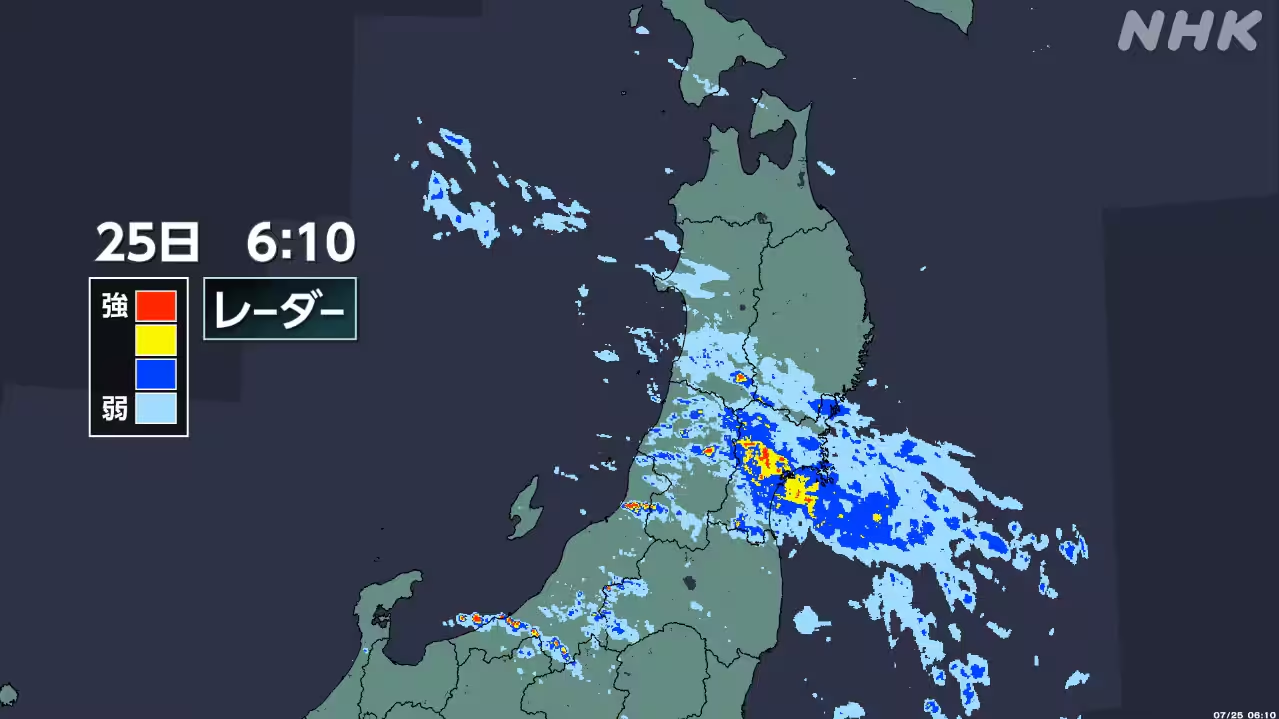
The Japan Meteorological Agency (JMA) has issued urgent warnings for the Tohoku region and Niigata Prefecture on July 25, 2026, citing developing rain clouds driven by a stalled front. The meteorological body advises residents to exercise extreme caution against landslides, flooding in low-lying areas, and river swelling.
Rain clouds are currently developing in southern Tohoku and Niigata, with forecasts indicating that heavy to very heavy rain may fall across these areas on July 25. The JMA has highlighted the specific risks of inundation and river overflow, urging local authorities and citizens to remain vigilant as water levels rise.
Concurrently, the region is grappling with dangerous heat conditions. Temperatures in some parts of Tohoku and Niigata are expected to approach 40 degrees Celsius. The JMA has issued strict warnings against heatstroke, noting that the combination of high humidity from the rain and extreme heat creates hazardous conditions for public health.
The Tohoku region, which includes the prefectures of Miyagi, Akita, Fukushima, Yamagata, Aomori, and Iwate, is being monitored closely. The JMA’s warnings cover the broader area, though specific impacts may vary depending on local topography and rainfall intensity. Residents are advised to check local disaster information channels for real-time updates.
This weather event follows a pattern of severe seasonal conditions in Japan. In June 2026, line-shaped precipitation bands in Shikoku caused significant power outages and disaster warnings. The current situation in Tohoku and Niigata underscores the ongoing challenges posed by extreme weather patterns in the country.
Authorities continue to monitor the stalled front and its potential to intensify rainfall. The JMA remains the primary source of official warnings, and residents are encouraged to follow guidance from local disaster management offices to ensure safety during this period of heightened risk.
The dual threat of heavy rain and extreme heat presents a complex challenge for emergency services and residents alike. While the rain poses immediate physical risks from flooding and landslides, the heat adds a significant health burden. Coordination between meteorological data and public health warnings is critical as the region navigates these conditions.
As of July 25, 2026, the situation remains dynamic. The JMA continues to assess the development of rain clouds and temperature trends. Residents in the affected prefectures are urged to take necessary precautions, including avoiding unnecessary travel and ensuring adequate hydration and shelter from the heat.