Thirty years after reunification, eastern Germany faces a resurgence of far-right violence reminiscent of the 'baseball bat years'
France 24 reports that the spectre of the 1990s is returning as courts prosecute neo-Nazi youth and asylum centres face renewed threats.
Thirty years after the fall of the Berlin Wall, eastern Germany is confronting a resurgence of far-right racist violence that mirrors the turbulent period known as the 'baseball bat years'. According to a report from France 24, the spectre of the 1990s is resurfacing as the region grapples with an increase in racist attacks and the prosecution of young people associated with the neo-Nazi movement.
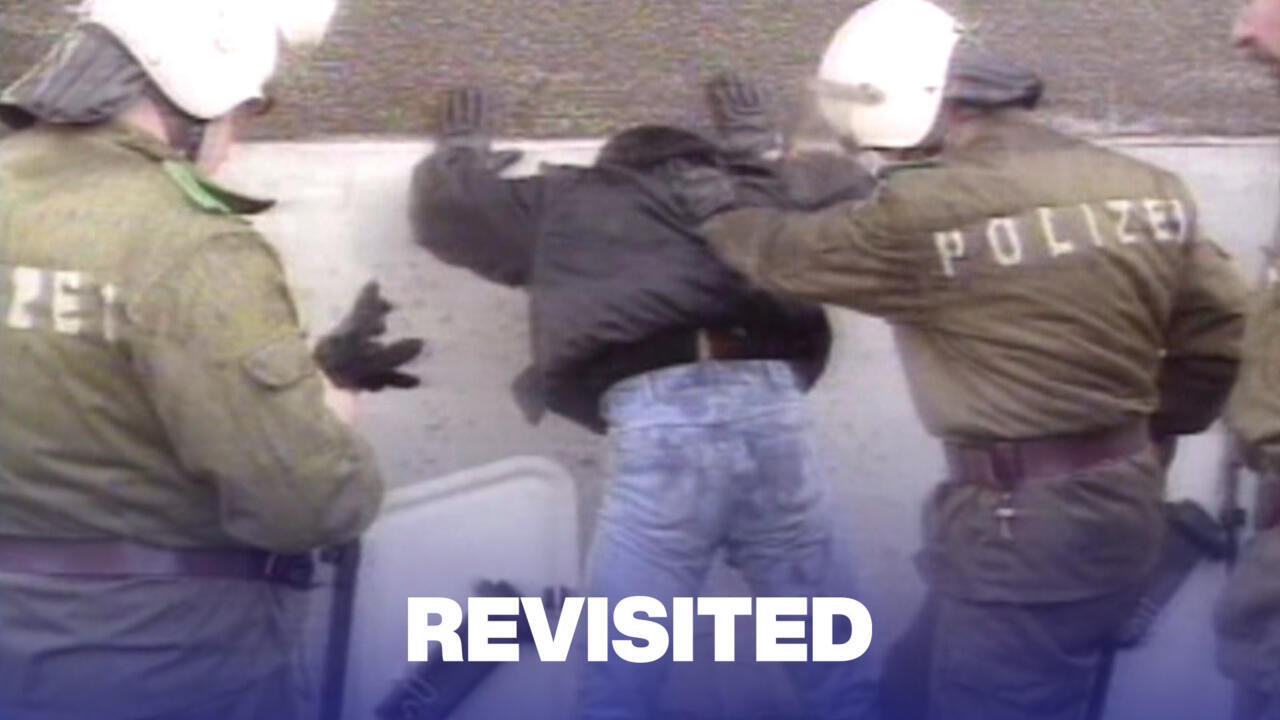
The current situation draws stark parallels to the immediate aftermath of reunification, when discredited police forces and new authorities struggled to control skinhead gangs in the former German Democratic Republic. During that era, attackers wearing bomber jackets and combat boots targeted migrants, homosexuals, and left-wing activists. The lack of operational control led to asylum centres being deliberately targeted, resulting in the murder of dozens of migrants.
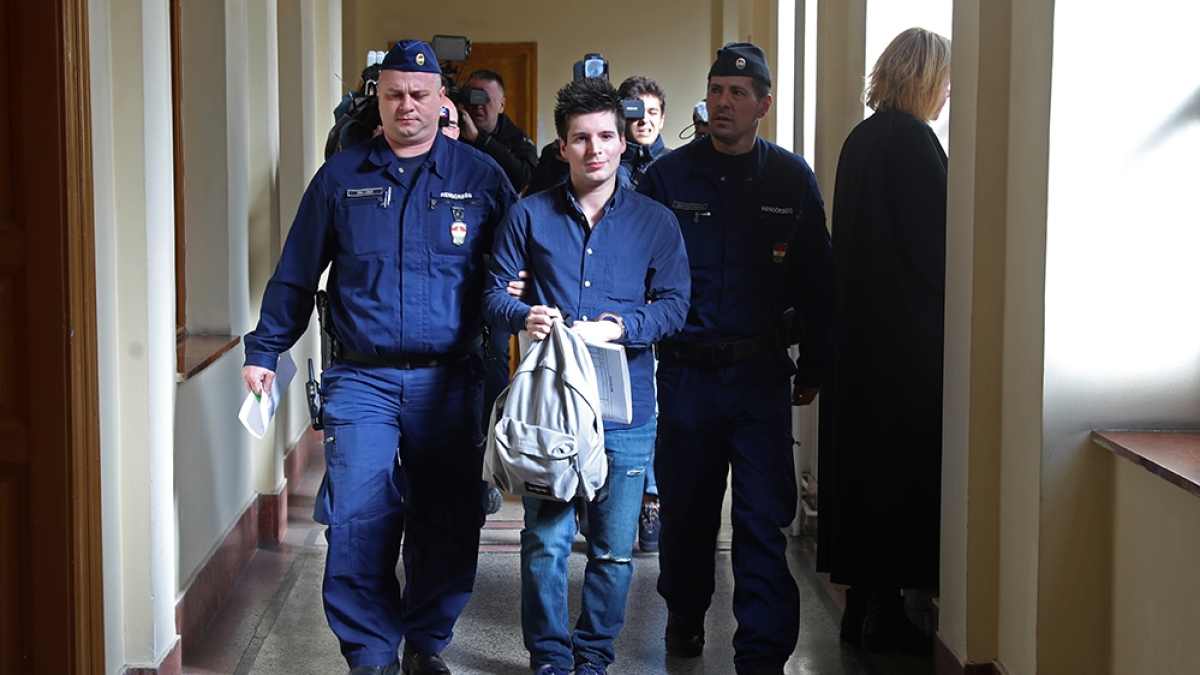
Today, the courts are seeing a rise in cases involving young neo-Nazis, suggesting a cyclical pattern of radicalisation. France 24 notes that for those who grew up during the 1990s, the current climate feels like history repeating itself, with the same demographic and social fissures threatening to destabilise the region once again.
A key factor in this resurgence is the growing political influence of the Alternative for Germany (AfD) party. The report highlights that the party's ascent is providing far-right groups with an unexpected platform of legitimacy, effectively normalising their rhetoric within the mainstream political discourse. This shift allows extremist elements to operate with a degree of institutional cover that was absent in the chaotic years following the collapse of the GDR.
The convergence of rising street violence and the legitimisation of far-right politics creates a challenging environment for governance in the east. As the report from France 24 indicates, the combination of increased attacks and the judicial focus on neo-Nazi youth points to a systemic failure to address the root causes of this violence, leaving the region vulnerable to a repeat of the tragedies from three decades ago.