Tenured faculty at Emory University sue institution over 2024 campus crackdown and arrests
The civil action in DeKalb County State Court seeks reimbursement for legal costs and punitive damages, arguing the administration failed to protect the educational mission.
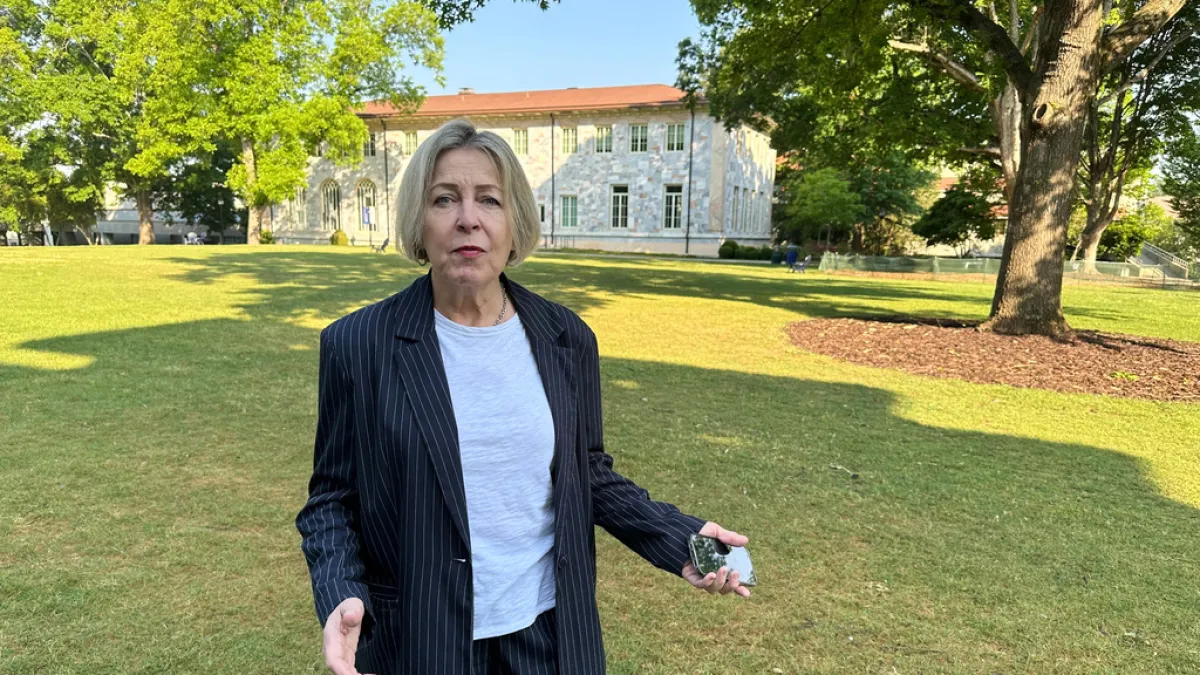
Three tenured professors at Atlanta's Emory University have filed a civil lawsuit in DeKalb County State Court alleging the institution violated its own free-speech policies during a 2024 campus protest. The plaintiffs, philosophy professor Noelle McAfee, English and Indigenous studies professor Emilio Del Valle-Escalante, and economics professor Caroline Fohlin, contend that university authorities called upon Atlanta police and Georgia state troopers to disband the demonstration without seeking alternatives. This intervention resulted in 28 arrests, including the three faculty members who are now seeking reimbursement for their legal defence costs and punitive damages.
The core of the suit rests on the assertion that the university failed to protect its educational mission and staff from a situation it created. McAfee, who served as president of the Emory University Senate, argues that the crackdown contradicts the institution's duty to train individuals in free and critical inquiry. She stated that the judicial system would find Emory failed to safeguard its students and staff, framing the incident not merely as a breach of individual rights but as a failure of the university's core purpose.
While the university initially claimed that 20 of the 28 arrested individuals were outsiders, the plaintiffs assert they were university affiliates. Following the arrests, McAfee, Del Valle-Escalante, and Fohlin faced misdemeanour charges including disorderly conduct and battery. Although all charges were later dismissed, the professors allege they subsequently faced threats and harassment from conservatives who argued the university was failing to protect Jewish students from anti-Semitism.
A spokesperson for Emory University, Laura Diamond, has responded to the filing by stating the lawsuit is without merit. Diamond maintained that the university acted appropriately and responsibly to keep the community safe from threats of harm. The institution expressed regret that the issue is being litigated but affirmed confidence in the legal process, rejecting the claim that the administration acted negligently in deploying law enforcement.
The legal action highlights a specific tension regarding campus governance following the 2024 incident. McAfee recounted an interaction with then-President Gregory Fenves in fall 2024, where the president reportedly told her he wanted to "see justice" regarding the dropped charges. This comment is cited by the plaintiffs as evidence of institutional intent to pursue legal action against the protesters rather than resolve the matter internally.
In the wake of the 2024 events, Emory implemented a revised open expression policy that explicitly prohibits tents, camping, building occupations, and demonstrations between midnight and 7am. McAfee suggests these changes have created an environment where students are afraid to protest, noting that the university has effectively turned its back on the concept of "good trouble" championed by civil rights icon John Lewis.