Tehran's leadership continuity challenges Western narrative of regime fracture
Former US envoy argues that sustained military pressure has left Iranian leadership with no viable options other than negotiation, while rejecting claims of a shift from clerical moderation to military hardline.
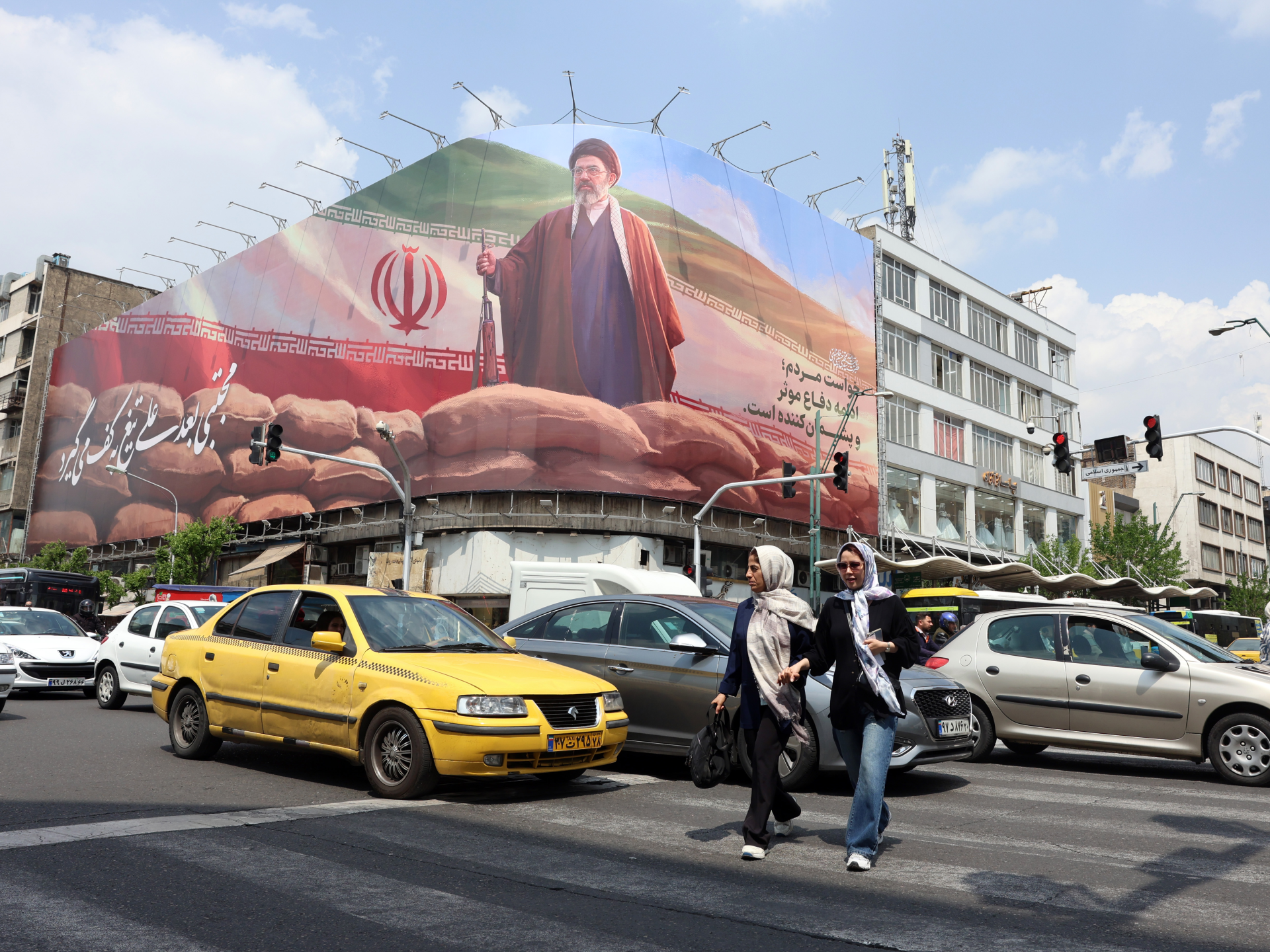
An opinion piece published by Al Jazeera challenges a recent New York Times report detailing Iran's new leadership structure under Ayatollah Mojtaba Khamenei. The author argues that the Times' account relies on unverified sources with a vested interest in portraying the regime as functional, noting a distinct lack of independent verification such as photographs or medical records to support claims about the new leader's condition.
The piece contends that the narrative suggesting a shift from clerical moderation to military hardline is historically inaccurate. Instead, the author asserts that the clerical establishment and the Islamic Revolutionary Guard Corps (IRGC) have always pursued identical objectives for 45 years, effectively erasing evidence that they were always the same project pursuing the same ends.
According to the text, the distinction between clerics and the IRGC is a fiction, as the IRGC was historically the instrument through which the clerical vision was executed. This included the nuclear programme, ballistic missile development, and proxy networks involving Hezbollah, Hamas, and the Houthis, all directed under clerical leadership for decades.
The author suggests that President Trump's suggestion that the new Iranian leaders may be more reasonable should not be interpreted as a sign of goodwill. Rather, it is viewed as a recognition that the regime has no other viable path after unprecedented military action, leaving them with fewer options than they have ever had.
The article also challenges the prevailing Western narrative that the United States was not already at war with Iran prior to recent strikes. The text asserts that Iran had been waging war against the US and its allies for decades through proxies and attacks on American troops, making the claim that the conflict was a new development a fiction.
Recent military activity has continued in parallel with diplomatic pauses, with US forces capturing the Iranian-flagged container ship *Touska* and intercepting tankers, while Iran has captured foreign commercial vessels in the Strait of Hormuz. The author argues that treating the clerics and the IRGC as distinct forces helps the regime frame events on its own terms, serving Tehran rather than the truth.
The views expressed in this opinion piece are the author's own, drawing on their experience as a former White House Middle East envoy from 2017 to 2019, to argue that the faces of leadership may have changed but the strategic goals have remained constant.