Tehran residents navigate economic collapse and war threats amid prolonged internet blackout
Daily life continues on Tehran streets despite soaring inflation and security crackdowns following leadership changes
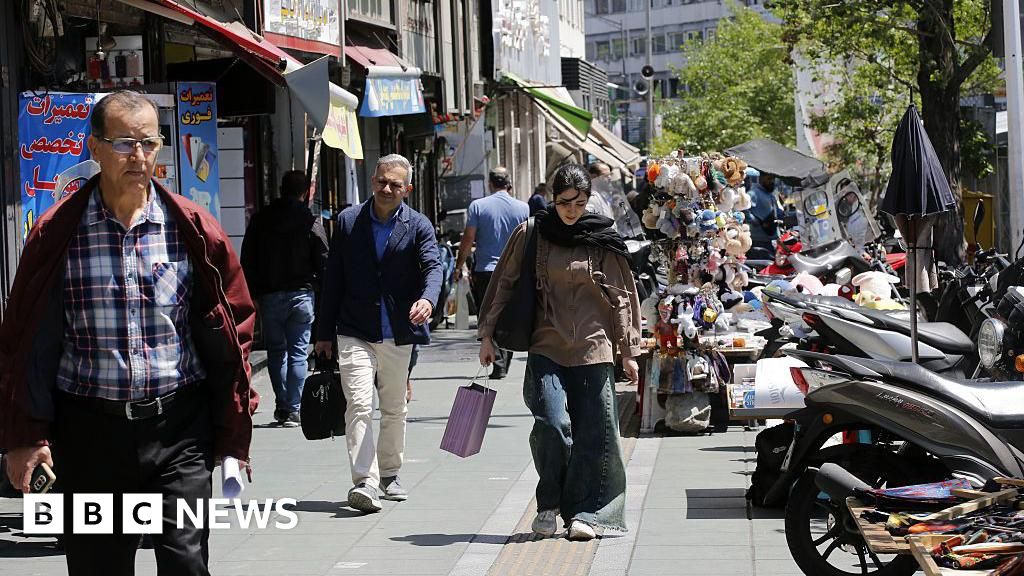
Tehran residents are facing severe economic strain characterised by high inflation and significant job losses, while simultaneously grappling with deep uncertainty regarding the potential resumption of war. In the heart of the capital, daily life persists on streets like Sanaei Ghaznavi, where locals express frustration over the rising cost of essentials and the tightening of security measures by paramilitary groups.
The financial pressure has forced many households into difficult choices, with one elderly woman noting that the price of bread has tripled. Unofficial estimates suggest up to four million jobs may have been lost or impacted due to the combined effects of the ongoing war and the government's near-total internet shutdown. This digital blackout has been in force for more than 50 days, affecting an estimated 10 million people, predominantly from middle and lower-income groups who rely on connectivity for their livelihoods.
Security forces, including the Basij and the Islamic Revolutionary Guards, have increased their presence across the city to maintain order. While the government maintains that internet restrictions will remain in place as long as enemy threats persist, public sentiment remains sharply divided. Some citizens express a desire for war to resume in hopes of economic improvement, while others, including the communications minister, have called for the internet ban to be lifted as a public right.
Political divisions remain acute, with public debates intensifying over the legacy of the late supreme leader, Ayatollah Ali Khamenei, and current negotiations with the US. Following the assassination of Ayatollah Ali Khamenei in an Israeli airstrike on 28 February, his son Mojtaba Khamenei assumed power as Supreme Leader. He was reported to be seriously injured in the attack, and reports indicate he has since assumed full control of the nation.
Despite the crisis, contrasts are stark within the capital. Affluent areas with chic cafes sit alongside poorer, conservative districts where defiance against mandatory hijab laws is growing. Women no longer comply with modesty requirements in many public spaces, a legacy of previous protests which were previously crushed with lethal force. Small demonstrations against the cost of living in late 2025 escalated into a nationwide anti-government protest earlier this year, resulting in several thousand deaths during a security crackdown.
As the sun sets over Tehran, the mood remains one of exhaustion and uncertainty. Residents continue to navigate a landscape where the future hangs on forces beyond their control, balancing the need for survival against the political realities of a nation in flux.