Tanzania inquiry confirms 518 deaths in post-election unrest
Official figures mark a shift from previous estimates of thousands, though the commission did not identify perpetrators or rule out security force involvement
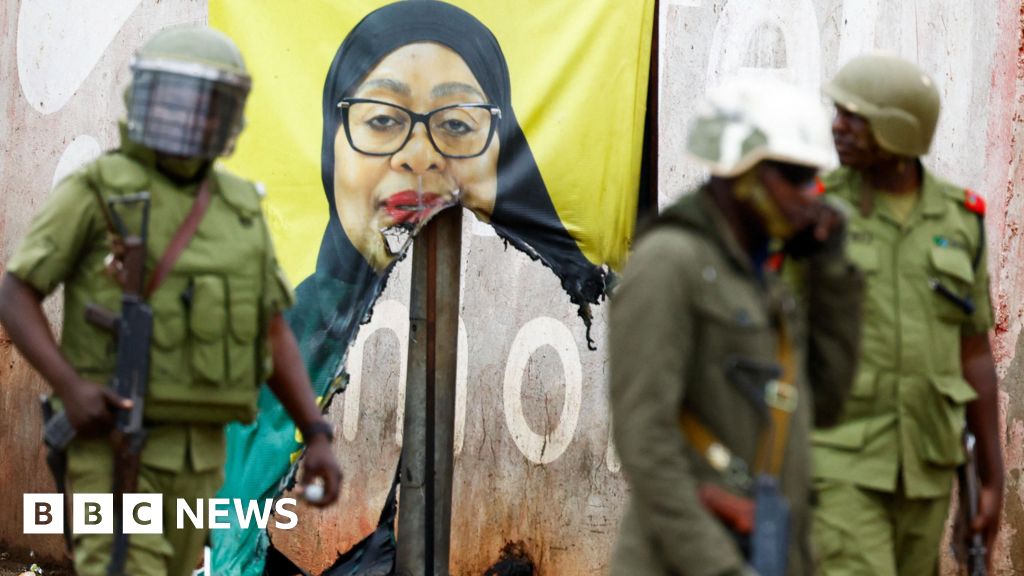
A commission of inquiry in Tanzania has officially confirmed that 518 people died from unnatural causes following widespread protests that erupted after last year's general election. Commission chairman Mohamed Chande Othman announced the figure, noting that 197 of the victims sustained shotgun wounds. While the inquiry provided a specific death toll for the first time, it stopped short of identifying the perpetrators, instead recommending further investigations to determine accountability.
President Samia Suluhu Hassan defended the security agencies following the announcement, stating that the violence was planned, coordinated, financed and executed by trained criminals aiming to create a leadership vacuum. She argued that the objective of those involved was to make the country ungovernable. This stance contrasts with accusations from opposition parties and human rights groups, who have long alleged that security forces unleashed a brutal crackdown on anti-government demonstrators.
The commission attributed the unrest to a complex mix of economic, political and social issues, including demands for political reforms, unemployment and a perceived lack of patriotism. The inquiry noted that politicians and activists utilised these grievances to mobilise citizens, though it concluded that the demonstrations were neither peaceful nor lawful. The violence began in Dar es Salaam on 29 October and rapidly spread across the nation, largely organised by young people angered by a political system dominated by one party since independence in the 1960s.
In its findings, the commission rejected claims of mass graves, alleging that artificial intelligence was used to manipulate images supporting such allegations. This contradicts earlier reports from opposition and religious groups which suggested thousands were killed and bodies were buried in unmarked graves. The inquiry also highlighted that the death toll could be higher, as some victims were reportedly buried without the authorities being informed.
The report includes several recommendations for the path forward, including free medical treatment and psychosocial support for victims, the establishment of a national day of mourning, and a new commission of criminal inquiry. Furthermore, the commission proposed that a new constitution should be in place by 2028, before the next general election, alongside a new body to foster reconciliation.
The inquiry was appointed by President Hassan after international observers, including the African Union and Sadc, raised concerns over the lack of transparency in the election, in which she won with 98 per cent of the vote. Two main opposition leaders were blocked from contesting the poll, with Tundu Lissu remaining in detention on treason charges and Luhaga Mpina's candidacy rejected on technical grounds. Despite the government's assertion that the election was fair, the opposition has described the official report as a cover-up attempting to whitewash the regime's crimes.