Brazil allocates $444.2m for dual-track AI supercomputing strategy
The Brazilian government is splitting a 2.3 billion reais investment between Chinese and US technology partners to secure data sovereignty and diversify its artificial intelligence infrastructure.
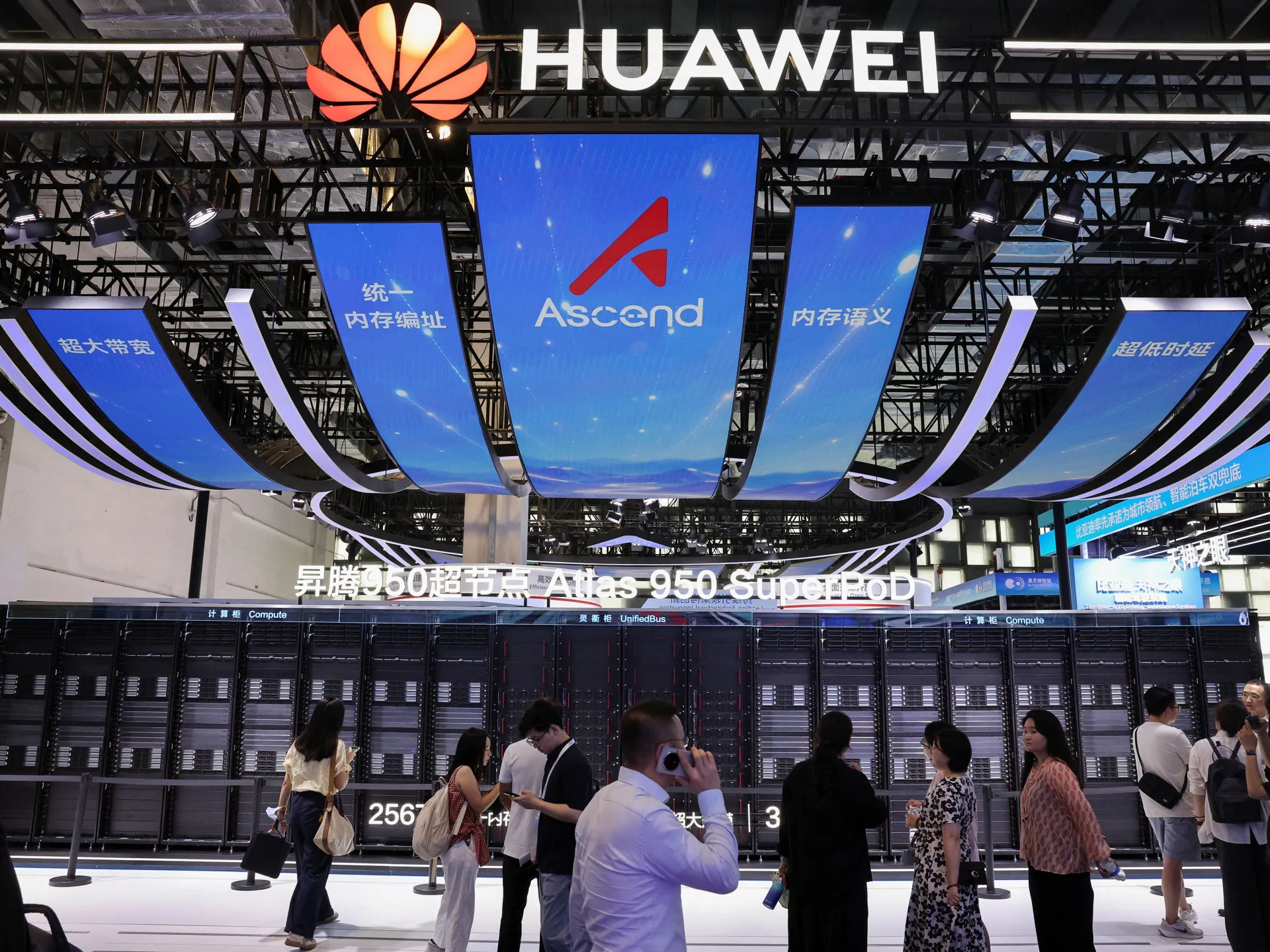
The Brazilian government has announced a 2.3 billion reais ($444.2m) investment to expand its artificial intelligence ecosystem, marking a deliberate effort to balance technological dependencies between the United States and China. President Luiz Inacio Lula da Silva’s administration outlined the plan on Thursday, framing the expenditure as a critical step toward enhancing national sovereignty over data.
The funding is divided into two distinct initiatives. A 1.3 billion reais ($251m) allocation will support a supercomputing infrastructure project in Rio de Janeiro, developed in partnership with Chinese firms Huawei Technologies and iFlytek. According to the government, this infrastructure will be primarily utilised for developing large language models for both general and sector-specific applications.
Simultaneously, approximately 1 billion reais ($193.1m) will be allocated through a tender for a supercomputer expected to rank among the world’s 10 most powerful AI processing machines. This unit is slated for installation in the northeastern state of Rio Grande do Norte, a location selected specifically for its energy potential. While the tender winner has not been officially confirmed, Reuters reported that unnamed government officials anticipate US chipmaker Nvidia will secure the contract.
The strategic split reflects Brazil’s complex geopolitical position. China is currently the country’s largest trading partner and has expanded its role as a leading player in AI. Conversely, the United States remains the biggest source of foreign direct investment in Brazil, despite recent trade shifts and the imposition of additional tariffs on Brazilian goods.
In a statement, the administration emphasised that the strategy is designed to avoid reliance on a single company, technology, or country. The investments will be funded through phased disbursements from the National Fund for Scientific and Technological Development (FNDCT).
Regarding timelines, the government expects the Rio Grande do Norte supercomputer to begin operating by the end of next year. The cooperation agreement with the Chinese partners is scheduled to commence in July 2027.