Synthetic media deployed in information warfare to manufacture pretext for conflict with Iran
Disinformation campaign utilises artificial intelligence to generate visual content intended to justify military action
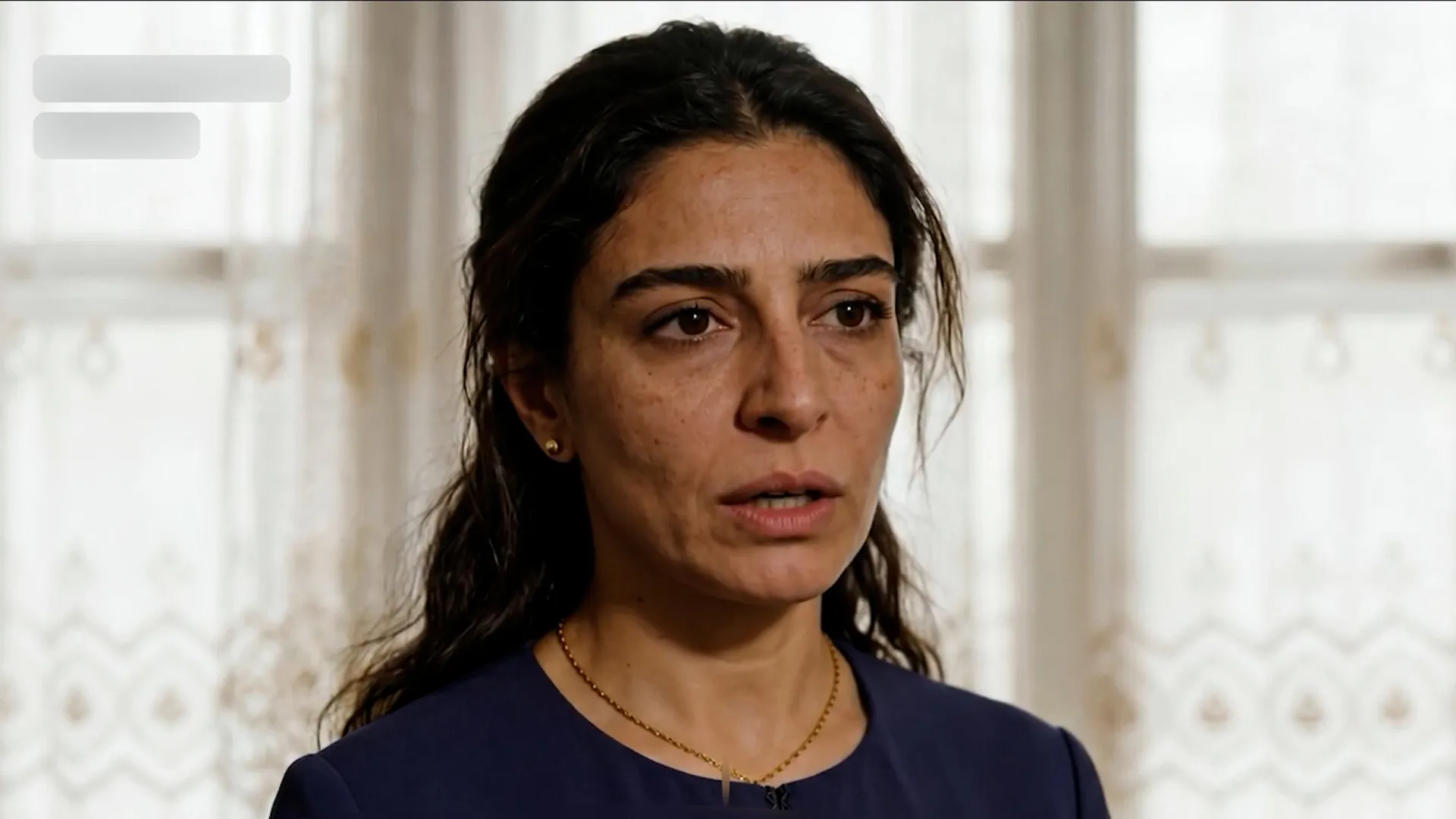
In a developing front of information warfare, fabricated visual content depicting female victims of Iran's government is circulating online. According to reporting by Al Jazeera, these materials are not merely isolated incidents of misinformation but are being weaponised within a broader battle of propaganda. The circulation of this synthetic media aims to manufacture a public rationale for potential military attacks against the nation.
The specific content in question consists of videos and images generated using artificial intelligence. These deepfakes are designed to present a false narrative of victimhood, thereby creating a perceived justification for kinetic intervention. By leveraging the persuasive power of visual media, the campaign seeks to influence international opinion and lower the threshold for authorising force. This tactic underscores the increasing reliance on synthetic media as a tactical tool in modern geopolitical conflicts.
The strategic objective behind this disinformation effort is clear: to provide a ready-made rationale for attacking Iran. Al Jazeera identifies this as a calculated move within an ongoing propaganda battle between conflicting parties. The intent is to frame the conflict in a manner that supports military escalation, using the fabricated suffering of government victims as the primary catalyst.
While the circulation of these specific deepfakes has been noted in April 2026, the identities of the entities responsible for their creation and distribution remain unconfirmed. No specific state or non-state actor has been explicitly named in the available reporting as the source of this campaign. This lack of attribution adds a layer of complexity to the investigation, as the actors behind the information operation operate with relative anonymity in the digital sphere.
The use of AI to generate deceptive visual content marks a significant evolution in the methods employed during this conflict. Rather than relying solely on textual assertions, the campaign utilises hyper-realistic imagery to bypass traditional verification processes. This approach highlights the challenges facing fact-checkers and analysts who must now contend with rapidly generated synthetic evidence designed to trigger emotional responses and political action.
As these fake videos and images go viral, the implications for regional stability and diplomatic relations grow more pressing. The successful deployment of such disinformation could alter the strategic calculus for nations considering involvement in the dispute. Al Jazeera's reporting suggests that the battle of propaganda has entered a new phase where the line between reality and fabrication is increasingly blurred by advanced technology.